The Vampire Squid: Eerie Deep - Sea Enigmas of the Abyss


Marine Biology
The Vampire Squid: Eerie Deep - Sea Enigmas of the Abyss

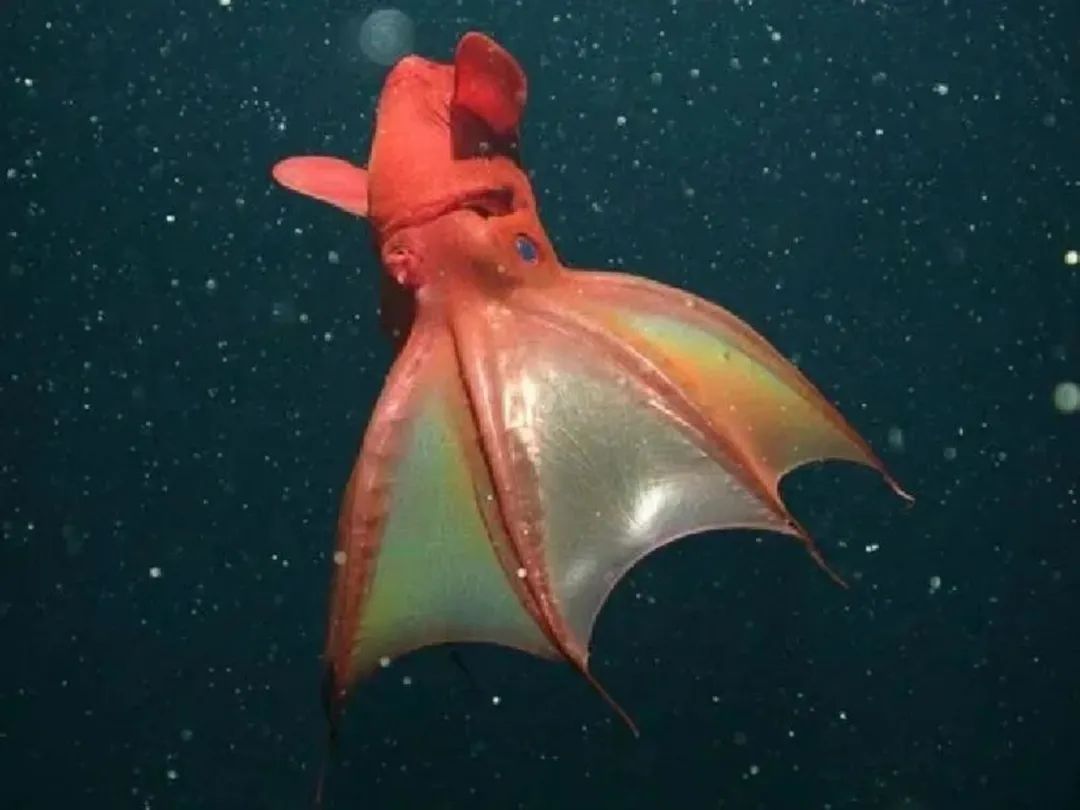
In the pitch - black, oxygen - starved depths of tropical and temperate oceans, between 600 and 4,000 meters below the surface, dwells the vampire squid, or Vampyroteuthis infernalis, a mysterious cephalopod. Measuring around 15 centimeters in length, this creature has earned its ominous moniker from its otherworldly appearance and survival tactics in one of the most extreme environments on Earth.

The vampire squid’s form defies conventional expectations. Its gelatinous body, cloaked in dark red or black hues, is dominated by disproportionately large eyes—each with a 2.5 - centimeter diameter, a remarkable percentage of its body size. Its tentacles, lined with sharp, tooth - like spines reminiscent of a vampire’s fangs, serve as a formidable defense. When threatened, it can invert its arms to create a spiky shield, deterring potential predators.


What truly sets the vampire squid apart is its bioluminescent prowess. Covered in light - producing organs called photophores, it can switch its cold - glowing lights on and off at will. This ability allows it to dazzle and confuse attackers, providing a crucial window to escape. As researchers continue to explore the deep - sea realm, the vampire squid remains a captivating example of nature’s ingenuity in shaping life forms adapted to the harshest conditions.
Latest Stories
Industry News1 minute readG20 finance ministers and central bank governors have issued a joint communiqué, committing to enhance international policy cooperation and sending a signal in support of multilateralism. They emphasized the need to end global trade conflicts soon and called on the U.S. and Europe to reach a fair agreement on tariffs.
Animal Information1 minute readIn the arid deserts of South America, an endangered pig-like species known locally as "taguá" (Chacoan peccary, Catagonus wagneri) is fighting for survival. These remarkable creatures have adapted uniquely to thrive in harsh desert conditions, with their diet centered on spiky cacti—an unusual food source that few other animals can exploit.
Animal Information1 minute readBeneath the waters of the Missouri River basin resides a creature that stands as a living testament to Earth's ancient past—the pallid sturgeon (Scaphirhynchus albus). Dubbed a "living fossil," this substantial fish traces its lineage back to the age of dinosaurs, persisting through tens of millions of years of geological shifts and biological evolution in these river systems.
Industry News1 minute readMicrosoft and the U.S. Idaho National Laboratory (INL) announced a partnership on July 16 to use AI in new nuclear plant licensing, aiming to drastically shorten the process. The move responds to Trump’s executive order to cut nuclear licensing to 18 months, addressing growing energy demands from AI data centers.
Industry News1 minute readThe U.S. Federal Communications Commission (FCC) announced plans on July 16 to introduce new rules, fully prohibiting any submarine communication cables containing Chinese technology or equipment from connecting to U.S. networks.
Feline News2 minute readThe Himalayan cat, a captivating fusion of Persian and Siamese genetics, has enchanted cat enthusiasts worldwide with its striking blue eyes and luxurious coat. Bred since the 1930s, this breed gained official recognition in 1957 when breeders Ben and Ann Borrett debuted their specimens at a cat show, setting standards adopted by organizations like the CFA . Nicknamed "Himmies," these cats balance elegance with affectionate charm, though their popularity demands careful attention to health and grooming.
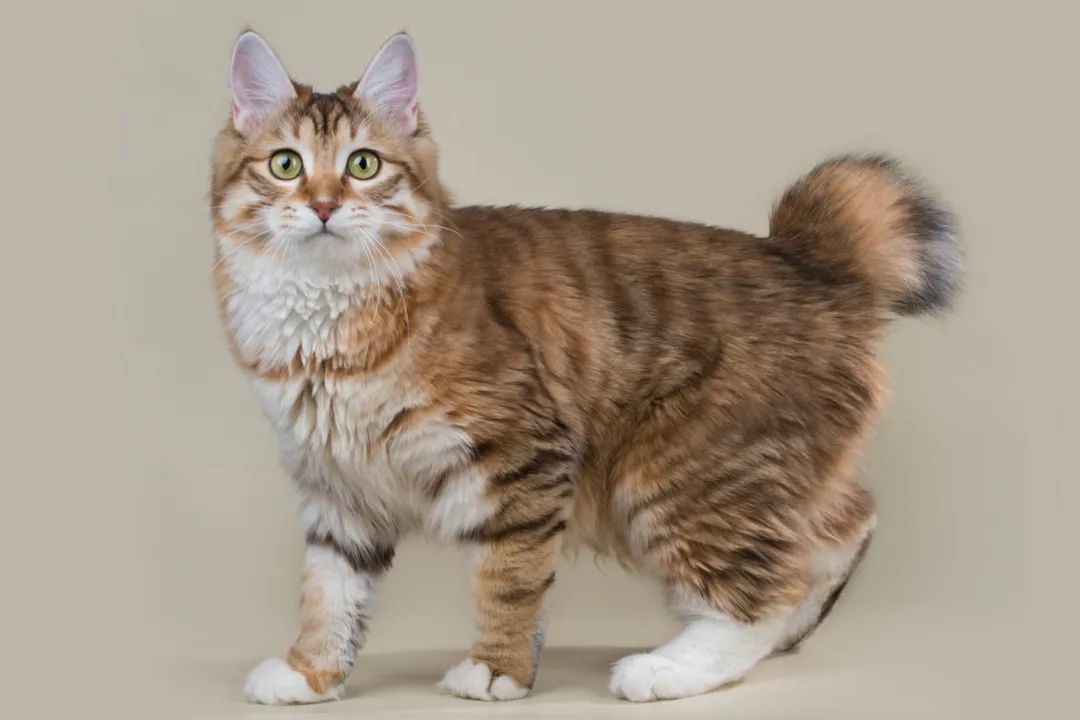
Feline News1 minute read[Nashville, July 18th] —— The Tennessee Rex, a uniquely American cat breed celebrated for its naturally curly fur, is gaining recognition among pet enthusiasts worldwide. This distinctive feline traces its origins to a chance discovery in 2004 in Tennessee, where a stray cat gave birth to a litter containing a kitten with unusually soft, curly hair—a natural genetic mutation that marked the breed's beginning.