The Extremely Rare White Calf Reindeer: A Snowbound Enigma of the Arctic


Animal Information
The Extremely Rare White Calf Reindeer: A Snowbound Enigma of the Arctic

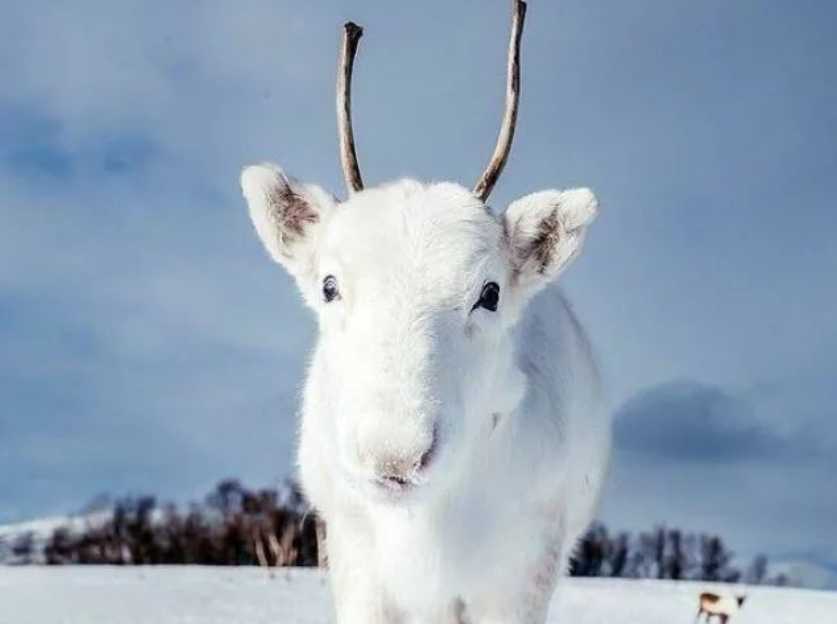
Deep within the frost - blanketed tundra of northern Scandinavia and Siberia, an extraordinary sight occasionally emerges: the white calf reindeer. Unlike typical fawns with speckled brown coats, these rare individuals are born with pure white fur, a result of leucism—a genetic condition causing partial loss of pigmentation. Their ethereal appearance, resembling a living snowflake against the icy landscape, has captivated researchers and indigenous communities for generations.


Genetic Anomaly and Survival Realities

Leucistic reindeer calves retain normal eye color (unlike albinos, which have pink eyes) but lack the melanin that gives their peers camouflage. This makes them vulnerable to predators like wolves and golden eagles, as their white coats stand out in summer grasslands. However, in winter, the trait becomes an advantage, allowing them to blend into snow - covered terrain. A 2023 study in Arctic Biology found that only 1 in 10,000 reindeer calves exhibit full leucism, with even fewer surviving to adulthood due to predation and climate challenges.

Cultural Significance and Conservation Efforts

In Sami folklore, white reindeer are revered as spiritual guides, symbolizing purity and connection to the natural world. Today, climate change threatens their habitat, as rising temperatures reduce snow cover and disrupt migration patterns. Conservationists in Norway’s Vesterålen Islands have established protected zones to monitor white reindeer populations, while collaborating with herding communities to reduce accidental killings during culls.


"Each white calf is a reminder of nature’s fragile beauty," says biologist Ingrid Stenseth. "Their rarity underscores the urgency of preserving Arctic ecosystems—not just for these unique individuals, but for the entire reindeer herds that sustain northern cultures."
Latest Stories
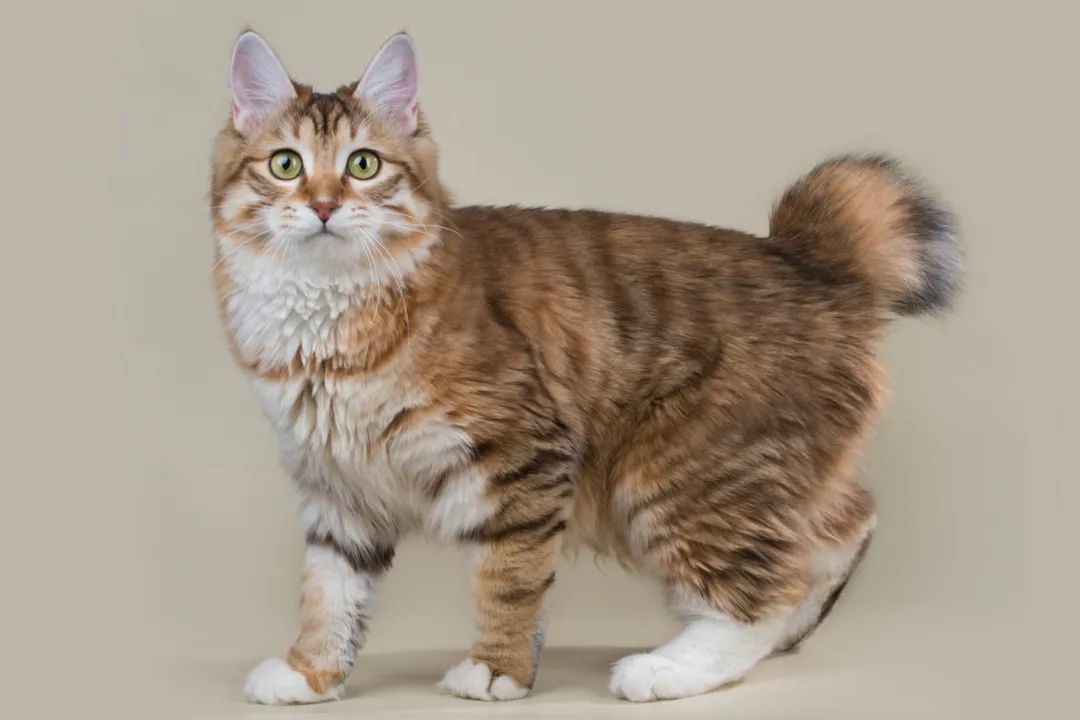
Feline News2 minute readThe Kurilian Bobtail Longhair, a captivating breed hailing from Russia’s Sakhalin Island and the Kuril Archipelago, has emerged as a fascinating subject in the international feline community. With its distinctive bobbed tail and striking appearance, this natural breed is garnering recognition for its unique history, robust health, and affectionate demeanor.
Life News2 minute readOn the streets and alleys of Italy, gelato is more than just a refreshing dessert; it is a vivid embodiment of the country's culinary philosophy. Compared to the common American ice cream, this Italian classic has become an irreplaceable culinary symbol in the hearts of food lovers worldwide, thanks to its unique craftsmanship and texture.
Feline News2 minute readIn 1982, a bald kitten with an unusual genetic mutation emerged in a barn on an Oregon cherry farm, marking the accidental birth of one of the world’s most distinctive feline breeds—the LaPerm. This curly-coated wonder, named for its "wavy" or "rippled" fur, has since captivated cat lovers globally with its unique appearance and playful personality .
Feline News1 minute readThe Brazilian Shorthair, a distinctive feline breed native to Brazil, has captivated cat enthusiasts with its charming personality and adaptable nature. Originating from the country's street cats, the breed was formally recognized in the 1980s after decades of selective breeding to preserve its unique traits.
Feline News1 minute readIn recent days, a cat named Marguerite has quietly risen to fame in a suburban community. The 3-year-old orange-and-white feline, once a street stray, has now become a "heartwarming bond" connecting neighbors.
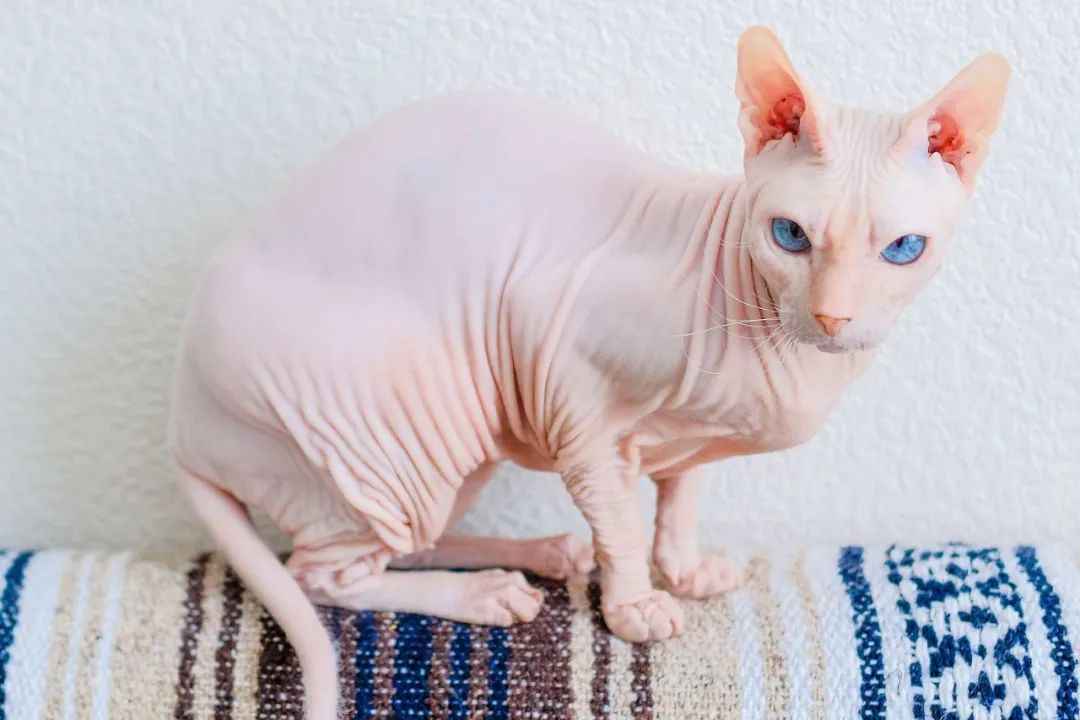
Feline News2 minute readOriginating from the city of Rostov-on-Don in Russia, the Donskoy cat, also known as the Don Sphynx, has captivated feline enthusiasts worldwide with its unique appearance and affectionate demeanor. First discovered in 1987 when Professor Elena Kovaleva rescued a hairless kitten named Varvara, the breed emerged from a natural genetic mutation that resulted in a lack of fur. Varvara’s subsequent litters produced both haired and hairless kittens, leading breeder Irina Nemykina to develop the Donskoy through selective breeding with European Shorthairs. Recognized by The International Cat Associat
Feline News2 minute readThe Nebelung, a captivating feline often mistaken for the Russian Blue, is a rare breed celebrated for its striking appearance and gentle demeanor. Originating in the U.S. during the 1980s, this breed emerged from intentional crossbreeding to replicate the elegance of Victorian-era long-haired blue cats. Named after the German word "nebel" (meaning "mist"), the Nebelung’s silvery-tipped blue-gray coat evokes a misty aura, while its green or yellow-green eyes add to its enigmatic charm.