The Alluring and Versatile Passion Fruit: A Tropical Delight


Plant Information
The Alluring and Versatile Passion Fruit: A Tropical Delight

The passion fruit, or Passiflora edulis, has been captivating taste buds and gardeners alike with its unique charm. Native to South America, specifically southern Brazil, Paraguay, and northern Argentina, this plant has now spread its influence across tropical and subtropical regions globally.

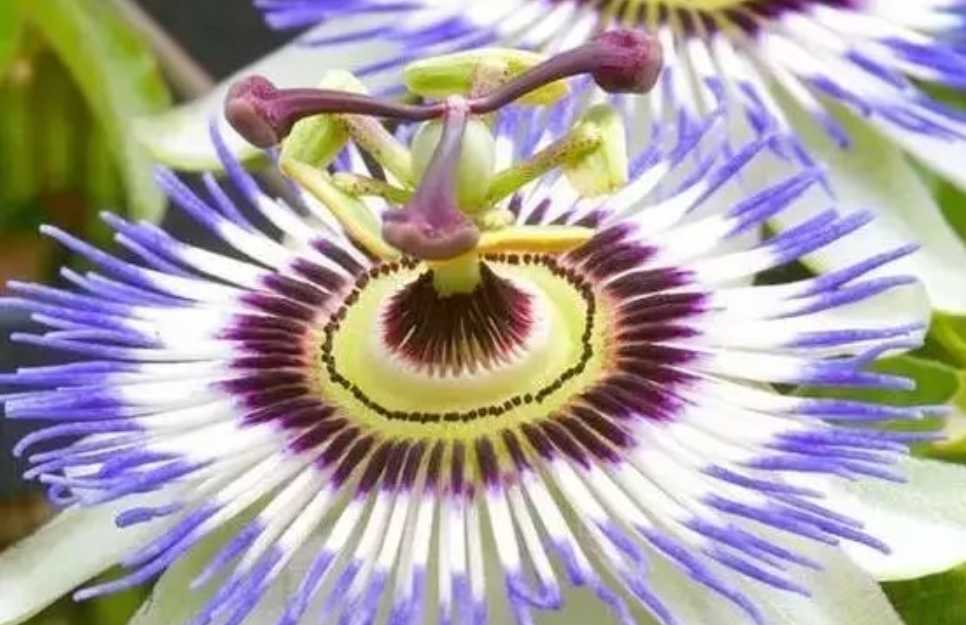
This evergreen climbing vine features slender, tendril - equipped stems that can reach lengths of up to 9 meters or more. The leaves are simple, glossy, and typically divided into three lobes, providing an elegant backdrop to the plant's most spectacular feature - its flowers. The large, showy flowers, around 8 cm (3 inches) in diameter, are a sight to behold. They are fragrant, with a combination of purple and white hues, and each individual bloom graces the plant for just a single day. The ovoid fruits that follow are about 5 cm (2 inches) across, boasting a rough rind. While most are purple as the common name implies, a yellow - fruited variety is also cultivated. Inside, each fruit contains as many as 250 edible seeds, each surrounded by a juicy, orange - colored aril.


Not only is the passion fruit a treat for the eyes, but it's also a culinary delight. Its intensely sharp flavor, with notes of mandarin, orange, and pineapple, makes it a favorite for both fresh consumption and as a flavoring agent. It is commonly used in desserts, drinks, and even fragrances. Moreover, the passion fruit has cultural significance. Its name originated with Christian missionaries, who saw symbolism of the passion of Jesus Christ in various parts of the flower. The purple and white filaments of the corona represented the crown of thorns, the five stamens the five wounds of the crucified Christ, and the three styles the nails that pinned him to the cross.


In gardens, passion fruit vines are relatively easy to grow in well - drained soil and plenty of sunlight. They can be trained to climb trellises or fences, adding a touch of the tropics to any outdoor space. As this remarkable plant continues to gain popularity, it enriches our lives with its beauty, taste, and cultural associations.
Latest Stories
Feline News2 minute readThe Kurilian Bobtail Longhair, a captivating breed hailing from Russia’s Sakhalin Island and the Kuril Archipelago, has emerged as a fascinating subject in the international feline community. With its distinctive bobbed tail and striking appearance, this natural breed is garnering recognition for its unique history, robust health, and affectionate demeanor.
Life News2 minute readOn the streets and alleys of Italy, gelato is more than just a refreshing dessert; it is a vivid embodiment of the country's culinary philosophy. Compared to the common American ice cream, this Italian classic has become an irreplaceable culinary symbol in the hearts of food lovers worldwide, thanks to its unique craftsmanship and texture.
Feline News2 minute readIn 1982, a bald kitten with an unusual genetic mutation emerged in a barn on an Oregon cherry farm, marking the accidental birth of one of the world’s most distinctive feline breeds—the LaPerm. This curly-coated wonder, named for its "wavy" or "rippled" fur, has since captivated cat lovers globally with its unique appearance and playful personality .
Feline News1 minute readThe Brazilian Shorthair, a distinctive feline breed native to Brazil, has captivated cat enthusiasts with its charming personality and adaptable nature. Originating from the country's street cats, the breed was formally recognized in the 1980s after decades of selective breeding to preserve its unique traits.
Feline News1 minute readIn recent days, a cat named Marguerite has quietly risen to fame in a suburban community. The 3-year-old orange-and-white feline, once a street stray, has now become a "heartwarming bond" connecting neighbors.
Feline News2 minute readOriginating from the city of Rostov-on-Don in Russia, the Donskoy cat, also known as the Don Sphynx, has captivated feline enthusiasts worldwide with its unique appearance and affectionate demeanor. First discovered in 1987 when Professor Elena Kovaleva rescued a hairless kitten named Varvara, the breed emerged from a natural genetic mutation that resulted in a lack of fur. Varvara’s subsequent litters produced both haired and hairless kittens, leading breeder Irina Nemykina to develop the Donskoy through selective breeding with European Shorthairs. Recognized by The International Cat Associat
Feline News2 minute readThe Nebelung, a captivating feline often mistaken for the Russian Blue, is a rare breed celebrated for its striking appearance and gentle demeanor. Originating in the U.S. during the 1980s, this breed emerged from intentional crossbreeding to replicate the elegance of Victorian-era long-haired blue cats. Named after the German word "nebel" (meaning "mist"), the Nebelung’s silvery-tipped blue-gray coat evokes a misty aura, while its green or yellow-green eyes add to its enigmatic charm.