Scottish Fold Longhair: The Graceful Aristocrat of the Pet World and the Health Concerns Behind Its Unique Genes


Feline News
Scottish Fold Longhair: The Graceful Aristocrat of the Pet World and the Health Concerns Behind Its Unique Genes

The Scottish Fold Longhair has become a globally adored "healing" pet with its iconic folded ears and luxurious long fur. However, the breed's genetic uniqueness has also drawn sustained attention from international animal welfare organizations. This article delves into its origin, characteristics, and health management essentials, providing scientific insights for prospective owners.

History and Breed Origins
In 1961, the first Scottish Fold cat named "Susie" was born on a farm in Perthshire, Scotland. Its distinctive folded ears resulted from a natural genetic mutation. After decades of breeding, the long-haired variant was officially recognized by The International Cat Association (TICA) in the 1980s. Notably, Scotland itself has not recognized the breed due to concerns about genetic defects.


Physical Traits and Temperament


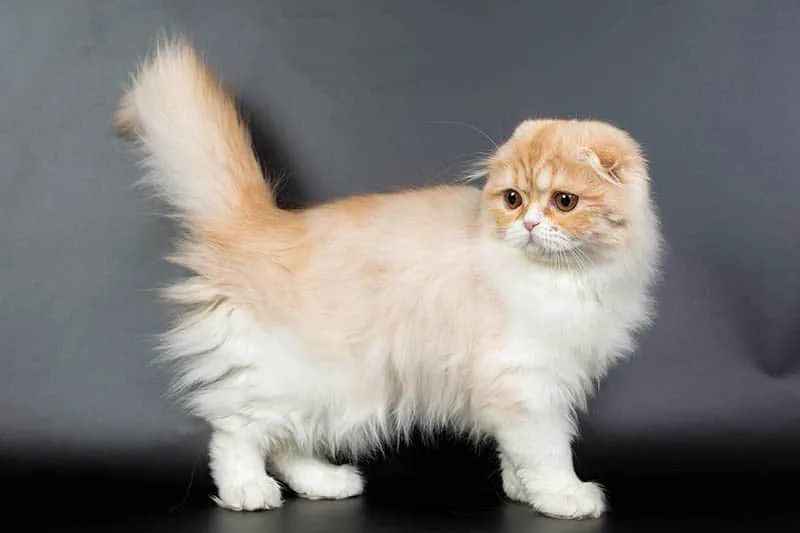
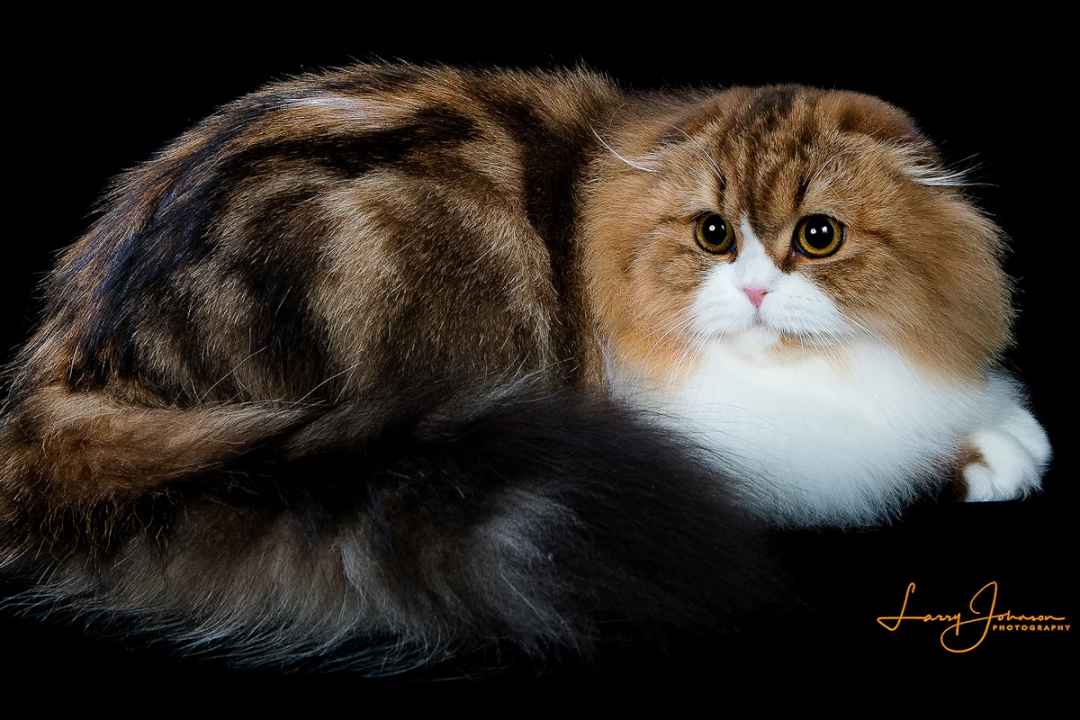
  • Appearance Highlights: A round face paired with forward-folding ears creates an "owl-like" innocent gaze. The medium-length coat is soft and comes in over 20 color variations, including silver shaded and blue-white bi-color.
  • Personality Traits: Renowned for their and affectionate nature, they are often described as "shadow cats." Their moderate activity level suits apartment living, though 15-20 minutes of daily playtime is recommended to maintain vitality.


Key Health Management Points
The cartilage dysplasia gene (Fd gene) in Scottish Folds is the root of health risks, potentially leading to:


  1. Skeletal Disorders: Approximately 30% of individuals develop joint pain and tail stiffness after 3-5 years, with severe cases requiring surgical intervention.
  2. Ear Infections: The folded structure traps debris, necessitating weekly cleaning with veterinary-approved ear solutions.
  3. Obesity Risk: Strict diet control is essential, with high-protein, low-carbohydrate diets and daily caloric intake of 200-250 kcal.
 

Source: Images from the Internet, if there is any infringement, please contact the removal of


Professional Care Recommendations


  • Medical Care: Bi-annual blood tests and X-rays are advised to monitor limb joints and spinal health.
  • Environmental Adjustments: Provide non-slip rugs and low cat trees to reduce jumping impact. Daily grooming is needed in summer to prevent hairballs.
  • Behavioral Observation: Immediate veterinary consultation is required if abnormal gait, appetite loss, or excessive grooming occurs.


International Controversy and Ethical Discussions
While organizations like TICA have established breeding standards (e.g., animal welfare groups advocate halting commercial breeding. In 2023, the UK's Governing Council of the Cat Fancy (GCCF) removed Scottish Folds from registered breeds, emphasizing a "health over appearance" philosophy.


Conclusion
The Scottish Fold Longhair's healing appearance and affectionate personality make it an ideal family companion. However, prospective owners must fully understand the health challenges posed by genetic defects. Through scientific care and regular medical intervention, these "folded-ear elves" can enjoy a high-quality life.

Latest Stories
Beauty News2 minute readBerlin-based amateur model Lena Schmidt, 26, takes the spotlight in Issue 174, with a series of posed yet natural photos capturing her in everyday Berlin settings. Shot by photographer Kai Berger, the collection balances intentionality and ease—Schmidt poses in her apartment’s sunlit kitchen, outside a historic bookstore, and along a tree-lined canal, each stance styled but never stiff.
Feline News2 minute readThe Highlander Shorthair, a newly developed cat breed in the United States, combines genetics from the American Curl, Egyptian Mau, Bengal, and other breeds, forming a distinctive appearance and temperament. Originating in 2004, it was initially named the "Highland Lynx" before being officially renamed "Highlander" in 2005. The breed earned registration with The International Cat Association (TICA) in 2008, solidifying its status as an official pedigreed cat.
Feline News2 minute readOriginating in Scotland in the 1960s, the Scottish Straight is the upright-eared counterpart to the Scottish Fold. In 1961, a white barn cat named Susie with folded ears was discovered, and some of her offspring displayed straight ears due to genetic mutation, marking the beginning of this breed’s development. Today, Scottish Straights are celebrated worldwide for their round features, gentle demeanor, and robust genetics.
Car Information1 minute readUnlike the N54’s reputation as a "modding marvel" or the B48’s "family-friendly refinement," the N20 stands as a mid-tier powerplant with clear architecture, moderate performance, and controllable potential. Its design balances daily drivability with upgrade flexibility, making it equally suited for Stage 1 bolt-ons that enhance daily driving pleasure or Stage 2–3 builds for entry-level track use.
Feline News2 minute readThe Savannah cat, a captivating hybrid of the African serval and domestic cat, has captivated pet enthusiasts worldwide with its striking appearance and dynamic personality. Originating in the U.S. in 1986, this breed was officially recognized by The International Cat Association (TICA) in 2001, solidifying its place in feline history.
Car Information1 minute readAs a fusion of long-wheelbase practicality and hatchback versatility, the F34 3 Series GT balances interior space with coupe-like styling. Sharing powertrain configurations with the F30/F35 sedan, the 320i GT and 328i GT cater to buyers seeking a blend of performance and utility, with select models offering xDrive all-wheel drive.
Industry News1 minute readIntel CEO Lip-Bu Tan publicly acknowledged in a recent internal meeting that the company has fallen out of the global top 10 semiconductor firms due to years of strategic missteps, revealing a staggering $16.6 billion loss in Q3 2024 . This marks the worst quarterly performance in Intel’s 57-year history, driven by $15.9 billion in accelerated depreciation costs tied to underperforming Intel 7 manufacturing assets and Mobileye’s goodwill impairment . To reverse its fortunes, the board approved a new strategy centered on edge AI and agent AI, coupled with global layoffs and business restructuri