In the vast and enchanting realm of roses, the Osiria Rose (Rosa 'Osiria') stands out as a true botanical wonder. This hybrid tea rose has won the hearts of flower enthusiasts around the world with its unique characteristics and captivating allure.
A Striking Appearance
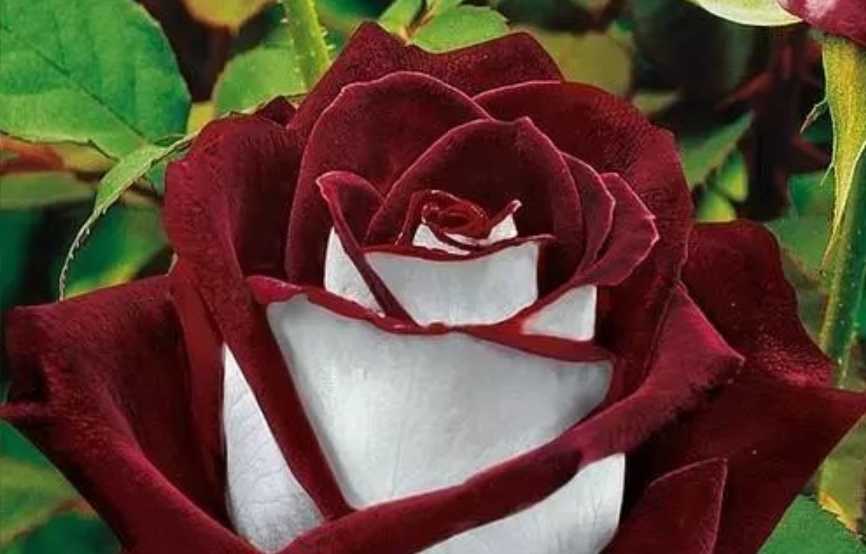
The Osiria Rose is renowned for its stunning bi - colored blooms. Each flower, which can reach a diameter of up to 10 centimeters, features a remarkable combination of colors. The outer petals are a rich, velvety red, exuding passion and intensity. As one looks towards the center of the flower, the petals gradually transition to a soft, creamy white, creating a harmonious contrast. This color combination is so distinct that it often gives the impression that the roses have been meticulously hand - painted. With around 35 - 40 petals, the flowers have a full, cup - shaped form with a high - centered appearance, adding to their elegance.
Origins and History
This beautiful rose variety was bred by the esteemed German breeder Reimer Kordes in 1978. Kordes achieved this remarkable creation by cross - breeding hybrid perpetuals with tea roses. The result was a rose that not only had an eye - catching appearance but also a certain charm that set it apart from other roses. It was first introduced to the market in France by Willemse France, who named it “Osiria”. The exact origin of the name remains a bit of a mystery, though some believe it may be loosely associated with “Osiris” from Egyptian mythology. Osiris, the god of agriculture, fertility, the dead, the afterlife, life, and vegetation, had a wide - reaching influence, and any of these aspects could potentially be linked to the naming of this rose.
Growth and Cultivation
The Osiria Rose is a semi - upright shrub, typically growing to a height of about 1 - 1.1 meters. It has dark green, glossy leaves that provide a lush backdrop to the vibrant flowers. However, cultivating this rose requires some attention to detail. It thrives in full sun, needing at least six hours of direct sunlight each day. In terms of soil, it prefers well - drained, fertile soil with a slightly acidic pH level, around 6.0 to 6.5. The plant is relatively cold - hardy, being able to withstand temperatures as low as - 23°C, which makes it suitable for a range of climates. However, during the hot summer months, it may need some protection from intense sunlight to prevent the flowers from wilting.
Watering should be done carefully, ensuring that the soil is kept evenly moist but not waterlogged, as excessive moisture can lead to root rot. A layer of mulch around the base of the plant can help retain moisture and regulate soil temperature. Fertilizing the Osiria Rose is important for healthy growth and abundant blooming. Using a balanced fertilizer formulated for roses, applied in early spring and mid - summer, can provide the necessary nutrients. Pruning is also a crucial aspect of its care. Deadheading spent flowers encourages new blooms, and in late winter or early spring, pruning back branches can help maintain the plant's shape and promote better air circulation.
Symbolism and Significance
The unique color combination of the Osiria Rose has given it deep symbolic meanings. The red and white petals are often seen as a representation of the union of passion and purity in love. The red symbolizes the intense emotions and desires in a relationship, while the white stands for the purity, loyalty, and commitment. It can also be seen as a symbol of the balance between the fiery, passionate side of love and the calm, serene aspects. In addition, the Osiria Rose's distinct appearance makes it a symbol of individuality and uniqueness, making it a perfect gift for someone special or a beautiful addition to any garden where it can stand out among other flowers.
Today, the Osiria Rose has made its way from the gardens of Europe to various parts of the world. In places like China's Yunnan region, it has been successfully introduced through grafting techniques and has become a sought - after flower in the high - end floral market. Whether used in elegant floral arrangements, as a focal point in a garden, or as a meaningful gift, the Osiria Rose continues to enchant with its beauty, history, and symbolism.