Sea Snakes: Elusive and Venomous Reptiles of the Ocean Depths


Marine Biology
Sea Snakes: Elusive and Venomous Reptiles of the Ocean Depths

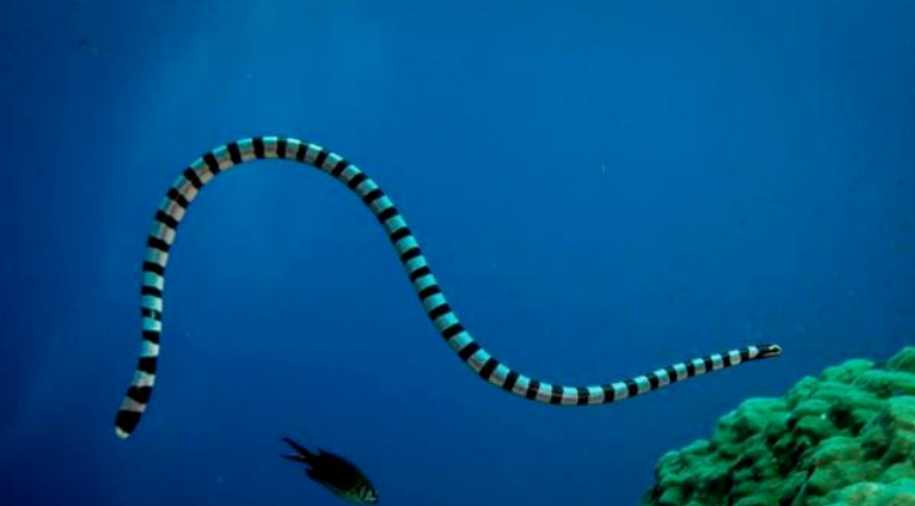
Sea snakes, aquatic reptiles adapted to life in marine environments, are among the most fascinating yet misunderstood creatures of the sea. These serpents, closely related to terrestrial cobras, possess a unique set of adaptations that allow them to thrive in saltwater, from paddle-like tails for swimming to specialized glands that excrete excess salt. However, their most renowned feature is their potent venom, a survival tool that has both intrigued and terrified humans for centuries.


All sea snakes are venomous, equipped with anterior grooved fangs designed to inject neurotoxic venom—a powerful blend of toxins that targets the nervous system, causing paralysis and, in severe cases, respiratory failure. While human encounters are rare, a bite from a sea snake can be life-threatening if left untreated. Contrary to popular belief, these reptiles are not inherently aggressive; most bites occur when they are accidentally disturbed, such as when caught in fishing nets or provoked by divers. Their venom serves primarily as a defense against predators and a means to subdue prey, which typically consists of small fish, eels, and crustaceans.


In the marine food chain, sea snakes play a crucial role as both predators and prey. Their ability to dive to great depths (some species descending over 100 meters) and remain submerged for up to an hour makes them efficient hunters. Yet, they themselves face threats from sharks, large fish, and human activities like habitat destruction and pollution. Despite their fearsome reputation, sea snakes are vital to ecosystem balance, controlling populations of their prey and contributing to the health of coral reefs and coastal waters. As climate change and ocean degradation pose increasing risks, understanding and protecting these misunderstood reptiles is key to preserving the complex web of life beneath the waves.
Latest Stories
Feline News2 minute readThe Kurilian Bobtail Longhair, a captivating breed hailing from Russia’s Sakhalin Island and the Kuril Archipelago, has emerged as a fascinating subject in the international feline community. With its distinctive bobbed tail and striking appearance, this natural breed is garnering recognition for its unique history, robust health, and affectionate demeanor.
Life News2 minute readOn the streets and alleys of Italy, gelato is more than just a refreshing dessert; it is a vivid embodiment of the country's culinary philosophy. Compared to the common American ice cream, this Italian classic has become an irreplaceable culinary symbol in the hearts of food lovers worldwide, thanks to its unique craftsmanship and texture.
Feline News2 minute readIn 1982, a bald kitten with an unusual genetic mutation emerged in a barn on an Oregon cherry farm, marking the accidental birth of one of the world’s most distinctive feline breeds—the LaPerm. This curly-coated wonder, named for its "wavy" or "rippled" fur, has since captivated cat lovers globally with its unique appearance and playful personality .
Feline News1 minute readThe Brazilian Shorthair, a distinctive feline breed native to Brazil, has captivated cat enthusiasts with its charming personality and adaptable nature. Originating from the country's street cats, the breed was formally recognized in the 1980s after decades of selective breeding to preserve its unique traits.
Feline News1 minute readIn recent days, a cat named Marguerite has quietly risen to fame in a suburban community. The 3-year-old orange-and-white feline, once a street stray, has now become a "heartwarming bond" connecting neighbors.
Feline News2 minute readOriginating from the city of Rostov-on-Don in Russia, the Donskoy cat, also known as the Don Sphynx, has captivated feline enthusiasts worldwide with its unique appearance and affectionate demeanor. First discovered in 1987 when Professor Elena Kovaleva rescued a hairless kitten named Varvara, the breed emerged from a natural genetic mutation that resulted in a lack of fur. Varvara’s subsequent litters produced both haired and hairless kittens, leading breeder Irina Nemykina to develop the Donskoy through selective breeding with European Shorthairs. Recognized by The International Cat Associat
Feline News2 minute readThe Nebelung, a captivating feline often mistaken for the Russian Blue, is a rare breed celebrated for its striking appearance and gentle demeanor. Originating in the U.S. during the 1980s, this breed emerged from intentional crossbreeding to replicate the elegance of Victorian-era long-haired blue cats. Named after the German word "nebel" (meaning "mist"), the Nebelung’s silvery-tipped blue-gray coat evokes a misty aura, while its green or yellow-green eyes add to its enigmatic charm.