Gold Market Oscillates Downward, Economic Data Weighs


Industry News
Gold Market Oscillates Downward, Economic Data Weighs

Tuesday saw an oscillatory downward trend in the international gold market. The price hit a high of 3348 during the session and plunged to a key support level of 3300. The trading day featured a typical pattern of surging and then falling. In the Asian session, the price reached the day's high of 3348 at the opening and then quickly dropped to around 3306. During the European session, it fluctuated within the range of 3324−3300.


Fundamentally, several US economic data points were weak. The number of job openings in March dropped to the lowest level since September last year, the Conference Board's Consumer Confidence Index in April plummeted to a nearly five - year low, and the merchandise trade deficit in March expanded to a record - high  billion. A recent Reuters survey showed that most economists believe the Trump administration's tariff policies have essentially damaged business confidence, significantly increasing the risk of a global economic recession. Consequently, expectations for a Fed rate cut have intensified, driving the strength of US bonds and impeding the rebound of the US dollar index.


There were also some subtle changes in trade policies. President Trump signed two executive orders on Tuesday. Through measures such as tariff credits and exemptions for some materials, he aimed to ease the market impact of the previous auto tariff policies. Meanwhile, the US trade team announced the reaching of preliminary agreements with some trading partners. These actions temporarily alleviated the market's concerns about the fickleness of trade policies.
Latest Stories
Feline News2 minute readThe Kurilian Bobtail Longhair, a captivating breed hailing from Russia’s Sakhalin Island and the Kuril Archipelago, has emerged as a fascinating subject in the international feline community. With its distinctive bobbed tail and striking appearance, this natural breed is garnering recognition for its unique history, robust health, and affectionate demeanor.
Life News2 minute readOn the streets and alleys of Italy, gelato is more than just a refreshing dessert; it is a vivid embodiment of the country's culinary philosophy. Compared to the common American ice cream, this Italian classic has become an irreplaceable culinary symbol in the hearts of food lovers worldwide, thanks to its unique craftsmanship and texture.
Feline News2 minute readIn 1982, a bald kitten with an unusual genetic mutation emerged in a barn on an Oregon cherry farm, marking the accidental birth of one of the world’s most distinctive feline breeds—the LaPerm. This curly-coated wonder, named for its "wavy" or "rippled" fur, has since captivated cat lovers globally with its unique appearance and playful personality .
Feline News1 minute readThe Brazilian Shorthair, a distinctive feline breed native to Brazil, has captivated cat enthusiasts with its charming personality and adaptable nature. Originating from the country's street cats, the breed was formally recognized in the 1980s after decades of selective breeding to preserve its unique traits.
Feline News1 minute readIn recent days, a cat named Marguerite has quietly risen to fame in a suburban community. The 3-year-old orange-and-white feline, once a street stray, has now become a "heartwarming bond" connecting neighbors.
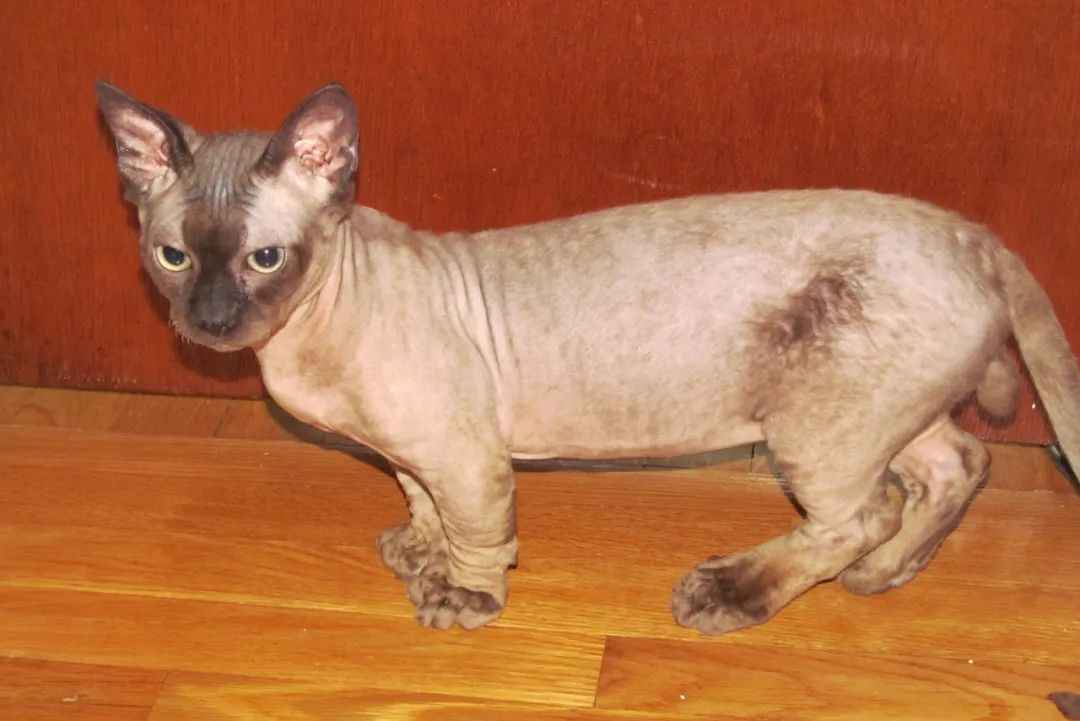
Feline News2 minute readOriginating from the city of Rostov-on-Don in Russia, the Donskoy cat, also known as the Don Sphynx, has captivated feline enthusiasts worldwide with its unique appearance and affectionate demeanor. First discovered in 1987 when Professor Elena Kovaleva rescued a hairless kitten named Varvara, the breed emerged from a natural genetic mutation that resulted in a lack of fur. Varvara’s subsequent litters produced both haired and hairless kittens, leading breeder Irina Nemykina to develop the Donskoy through selective breeding with European Shorthairs. Recognized by The International Cat Associat
Feline News2 minute readThe Nebelung, a captivating feline often mistaken for the Russian Blue, is a rare breed celebrated for its striking appearance and gentle demeanor. Originating in the U.S. during the 1980s, this breed emerged from intentional crossbreeding to replicate the elegance of Victorian-era long-haired blue cats. Named after the German word "nebel" (meaning "mist"), the Nebelung’s silvery-tipped blue-gray coat evokes a misty aura, while its green or yellow-green eyes add to its enigmatic charm.