Genetic Flaws and Global Popularity: The Controversial Legacy of Scottish Fold Cats


Feline News
Genetic Flaws and Global Popularity: The Controversial Legacy of Scottish Fold Cats

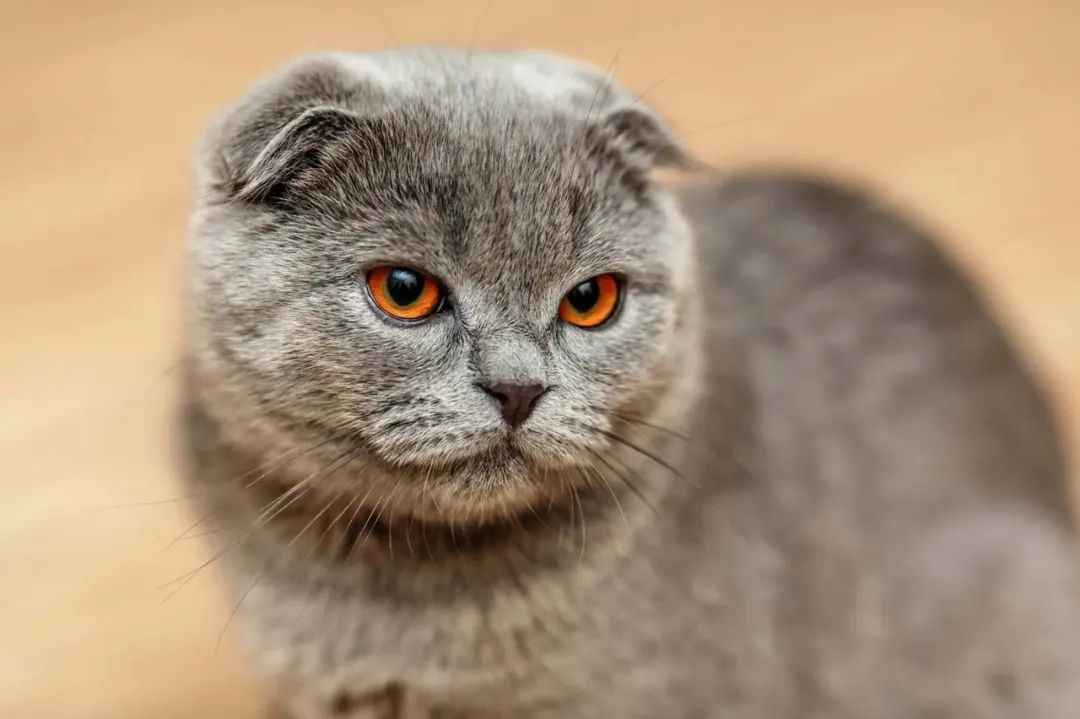
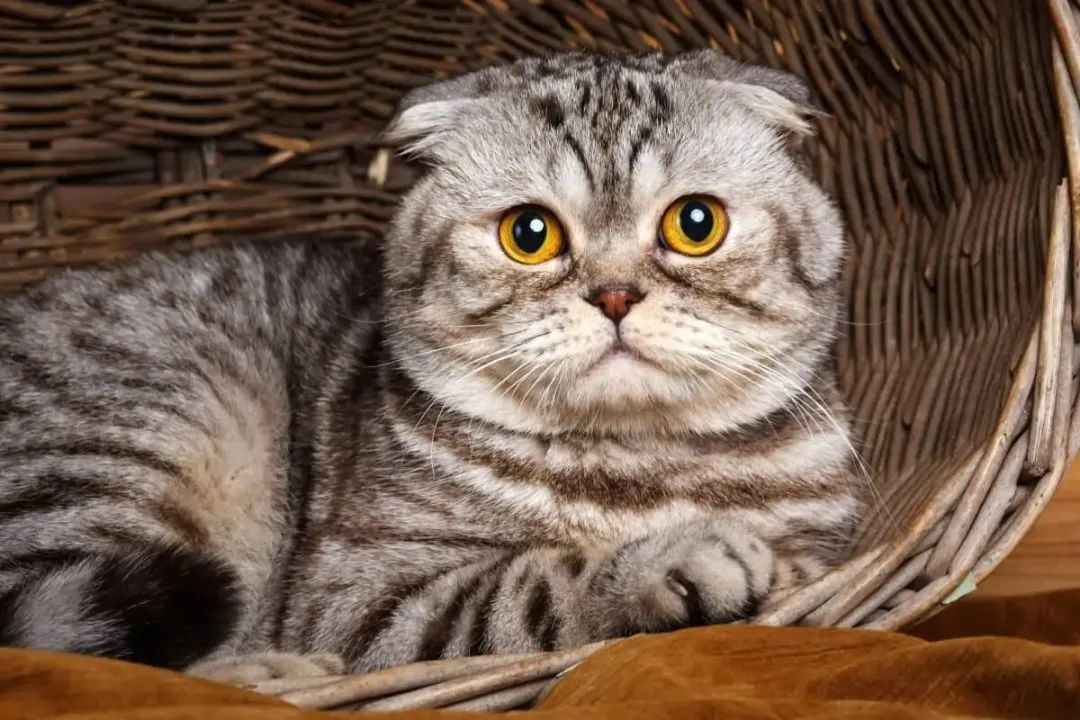
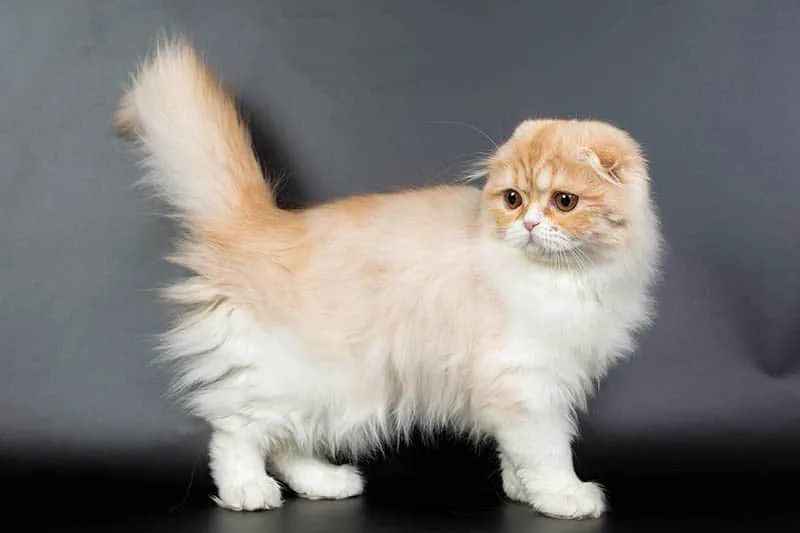
In recent years, the Scottish Fold cat has become an internet sensation, celebrated for its distinctive folded ears and owl-like appearance. However, behind the adorable facade lies a dark reality rooted in genetic abnormality and ethical debate. This breed, born from a spontaneous mutation in a Scottish barn cat named Susie in 1961, has sparked global controversy over its health implications and breeding practices.

The fold in the cat’s ears is caused by a dominant genetic mutation affecting cartilage development, leading to osteochondrodysplasia—a condition that causes chronic joint pain, bone deformities, and progressive arthritis 310. Scientific evidence confirms that all Scottish Folds, whether homozygous or heterozygous for the fold gene, suffer from varying degrees of this incurable disease. Symptoms range from stiff tails and shortened limbs to debilitating lameness, often forcing owners to consider euthanasia due to unbearable pain 311.


Despite these risks, the breed’s popularity surged, fueled by celebrity ownership. Stars like Taylor Swift and Ed Sheeran, who frequently feature their Scottish Folds on social media, inadvertently amplified demand 18. This trend has drawn criticism from animal welfare groups, including the British Veterinary Association, which calls for a breeding ban, and Germany, which classifies the practice as "torture breeding" (Qualzucht) 78.
 

Source: Images from the Internet, if there is any infringement, please contact the removal of


Breeding guidelines attempt to mitigate risks by pairing Scottish Folds with straight-eared cats like British Shorthairs. However, even heterozygous kittens face lifelong health challenges. The Governing Council of the Cat Fancy (GCCF) banned breed registration in the 1970s, yet the breed remains recognized by other organizations, perpetuating its existence 412.


The Scottish Fold’s story underscores a broader crisis in pedigree breeding, where aesthetics often override animal welfare. While some argue for responsible ownership and veterinary care, critics emphasize that the breed’s very existence is inherently unethical. As awareness grows, calls to phase out Scottish Fold breeding are gaining traction, urging consumers to adopt rescue cats instead 18.


In 2025, the average cost of a Scottish Fold kitten ranges from $500 to $3,000, reflecting both its rarity and the ethical compromises embedded in its creation 9. For now, the breed’s future hangs in the balance, caught between adoration and condemnation—a poignant reminder of the price paid for human desire.
Latest Stories
Feline News2 minute readThe Kurilian Bobtail Longhair, a captivating breed hailing from Russia’s Sakhalin Island and the Kuril Archipelago, has emerged as a fascinating subject in the international feline community. With its distinctive bobbed tail and striking appearance, this natural breed is garnering recognition for its unique history, robust health, and affectionate demeanor.
Life News2 minute readOn the streets and alleys of Italy, gelato is more than just a refreshing dessert; it is a vivid embodiment of the country's culinary philosophy. Compared to the common American ice cream, this Italian classic has become an irreplaceable culinary symbol in the hearts of food lovers worldwide, thanks to its unique craftsmanship and texture.
Feline News2 minute readIn 1982, a bald kitten with an unusual genetic mutation emerged in a barn on an Oregon cherry farm, marking the accidental birth of one of the world’s most distinctive feline breeds—the LaPerm. This curly-coated wonder, named for its "wavy" or "rippled" fur, has since captivated cat lovers globally with its unique appearance and playful personality .
Feline News1 minute readThe Brazilian Shorthair, a distinctive feline breed native to Brazil, has captivated cat enthusiasts with its charming personality and adaptable nature. Originating from the country's street cats, the breed was formally recognized in the 1980s after decades of selective breeding to preserve its unique traits.
Feline News1 minute readIn recent days, a cat named Marguerite has quietly risen to fame in a suburban community. The 3-year-old orange-and-white feline, once a street stray, has now become a "heartwarming bond" connecting neighbors.
Feline News2 minute readOriginating from the city of Rostov-on-Don in Russia, the Donskoy cat, also known as the Don Sphynx, has captivated feline enthusiasts worldwide with its unique appearance and affectionate demeanor. First discovered in 1987 when Professor Elena Kovaleva rescued a hairless kitten named Varvara, the breed emerged from a natural genetic mutation that resulted in a lack of fur. Varvara’s subsequent litters produced both haired and hairless kittens, leading breeder Irina Nemykina to develop the Donskoy through selective breeding with European Shorthairs. Recognized by The International Cat Associat
Feline News2 minute readThe Nebelung, a captivating feline often mistaken for the Russian Blue, is a rare breed celebrated for its striking appearance and gentle demeanor. Originating in the U.S. during the 1980s, this breed emerged from intentional crossbreeding to replicate the elegance of Victorian-era long-haired blue cats. Named after the German word "nebel" (meaning "mist"), the Nebelung’s silvery-tipped blue-gray coat evokes a misty aura, while its green or yellow-green eyes add to its enigmatic charm.