Endemic Okarito Brown Kiwis in New Zealand Face Severe Threat from Invasive Species


Animal Information
Endemic Okarito Brown Kiwis in New Zealand Face Severe Threat from Invasive Species

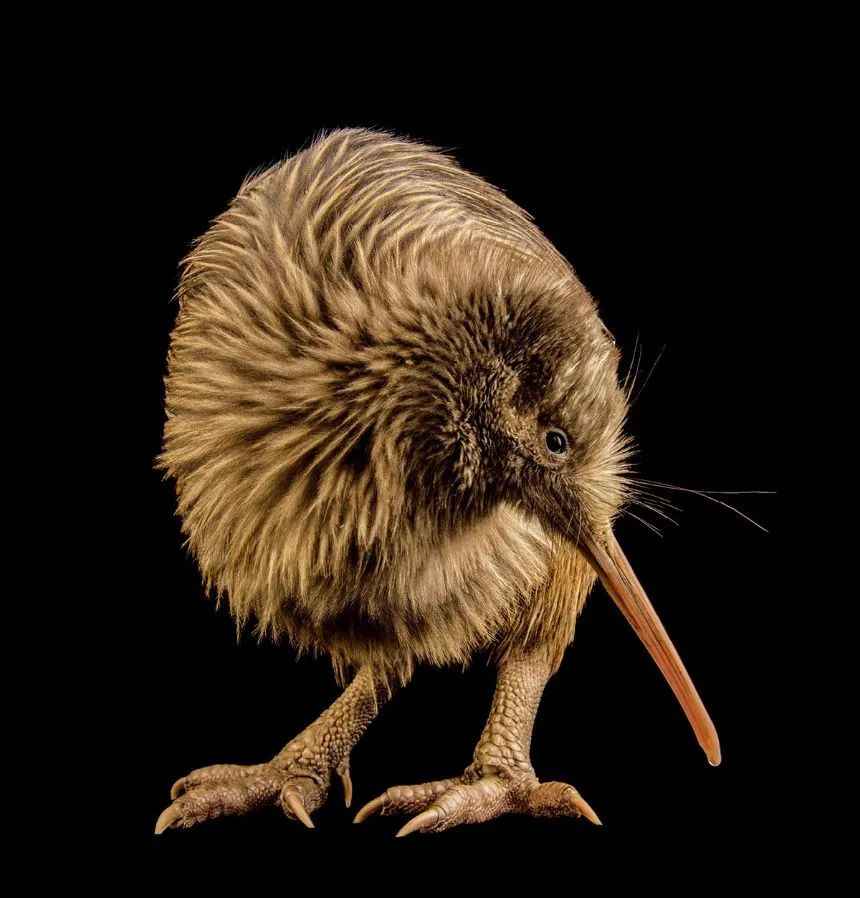
WELLINGTON, July 17 (Xinhua) -- The Okarito brown kiwi (Apteryx rowi), a flightless bird endemic to New Zealand, is teetering on the brink of a growing survival crisis. Classified as "Vulnerable" by the International Union for Conservation of Nature (IUCN), this unique species is grappling with relentless threats from invasive predators like stoats, which have wreaked havoc on their nests and chicks, putting the entire population at risk.

Exclusive to the Okarito Wetland on New Zealand's South Island, the Okarito brown kiwi is among the rarest members of the country's iconic kiwi family. Though they lost the ability to fly, they evolved keen senses of smell and strong legs, using their long beaks to forage for insects and berries on the ground. Yet this unique adaptation has become a fatal flaw in the face of human-introduced invasive species.


Stoats were brought to New Zealand in the 19th century by colonizers attempting to control rabbit populations. Unfortunately, these small carnivores thrived in the country's predator-free ecosystem, multiplying rapidly. With exceptional climbing skills and acute hearing, stoats easily locate kiwi nests hidden in bushes or under tree roots. Since kiwi chicks remain in nests for months after hatching and adult birds have limited defense capabilities, over 60% of chicks fall prey to stoats, feral cats, and rats each year.


In recent years, the New Zealand government and conservation groups have launched a series of protection initiatives, including installing predator-proof fences around habitats, conducting targeted stoat trapping campaigns, and implementing captive breeding programs for chicks before releasing them into the wild. These efforts have helped boost the adult population of Okarito brown kiwis from fewer than 150 in the 1990s to around 450 today. However, low chick survival rates remain a critical barrier to population recovery.


Emily Carter, a New Zealand bird conservation expert, noted, "The battle for the Okarito brown kiwi's survival is far from over. Only through sustained efforts to control invasive predators and expand their safe habitats can we ensure this unique bird does not vanish from the planet."
Latest Stories
Feline News2 minute readThe Kurilian Bobtail Longhair, a captivating breed hailing from Russia’s Sakhalin Island and the Kuril Archipelago, has emerged as a fascinating subject in the international feline community. With its distinctive bobbed tail and striking appearance, this natural breed is garnering recognition for its unique history, robust health, and affectionate demeanor.
Life News2 minute readOn the streets and alleys of Italy, gelato is more than just a refreshing dessert; it is a vivid embodiment of the country's culinary philosophy. Compared to the common American ice cream, this Italian classic has become an irreplaceable culinary symbol in the hearts of food lovers worldwide, thanks to its unique craftsmanship and texture.
Feline News2 minute readIn 1982, a bald kitten with an unusual genetic mutation emerged in a barn on an Oregon cherry farm, marking the accidental birth of one of the world’s most distinctive feline breeds—the LaPerm. This curly-coated wonder, named for its "wavy" or "rippled" fur, has since captivated cat lovers globally with its unique appearance and playful personality .
Feline News1 minute readThe Brazilian Shorthair, a distinctive feline breed native to Brazil, has captivated cat enthusiasts with its charming personality and adaptable nature. Originating from the country's street cats, the breed was formally recognized in the 1980s after decades of selective breeding to preserve its unique traits.
Feline News1 minute readIn recent days, a cat named Marguerite has quietly risen to fame in a suburban community. The 3-year-old orange-and-white feline, once a street stray, has now become a "heartwarming bond" connecting neighbors.
Feline News2 minute readOriginating from the city of Rostov-on-Don in Russia, the Donskoy cat, also known as the Don Sphynx, has captivated feline enthusiasts worldwide with its unique appearance and affectionate demeanor. First discovered in 1987 when Professor Elena Kovaleva rescued a hairless kitten named Varvara, the breed emerged from a natural genetic mutation that resulted in a lack of fur. Varvara’s subsequent litters produced both haired and hairless kittens, leading breeder Irina Nemykina to develop the Donskoy through selective breeding with European Shorthairs. Recognized by The International Cat Associat
Feline News2 minute readThe Nebelung, a captivating feline often mistaken for the Russian Blue, is a rare breed celebrated for its striking appearance and gentle demeanor. Originating in the U.S. during the 1980s, this breed emerged from intentional crossbreeding to replicate the elegance of Victorian-era long-haired blue cats. Named after the German word "nebel" (meaning "mist"), the Nebelung’s silvery-tipped blue-gray coat evokes a misty aura, while its green or yellow-green eyes add to its enigmatic charm.