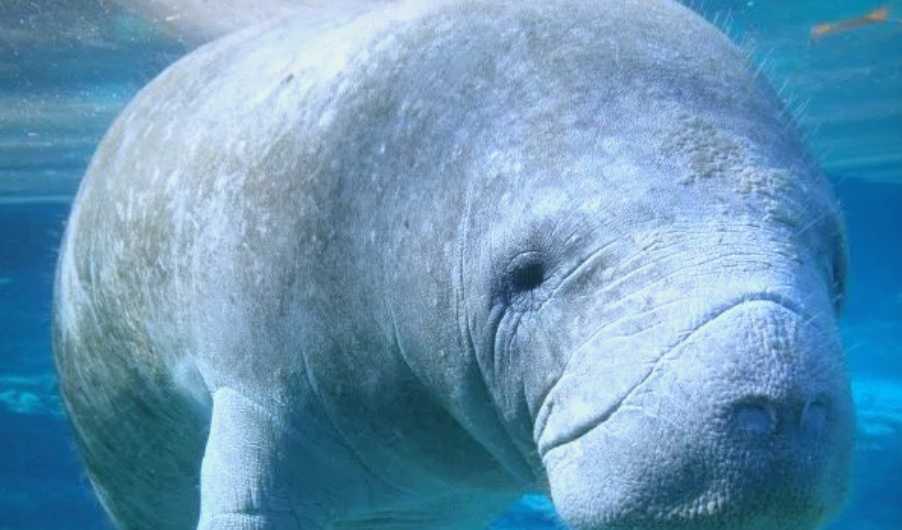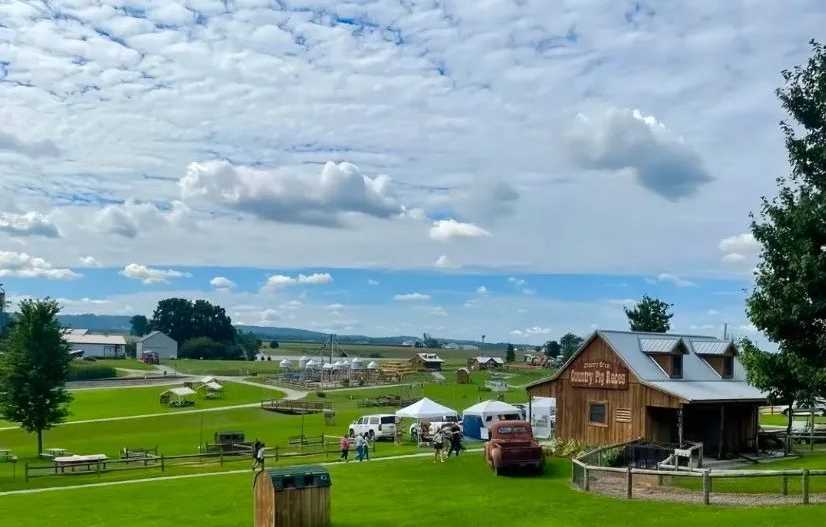
: In recent years, the market scale of overseas rural tourism has been showing a continuous growth trend. Take Europe as an example, rural tourism has become an important part of the tourism industry in many countries.
-
Continuously Expanding Market Scale: In recent years, the market scale of overseas rural tourism has been showing a continuous growth trend. Take Europe as an example, rural tourism has become an important part of the tourism industry in many countries. According to relevant data, in France, more than half of domestic tourists choose rural tourism every year, and the proportion of rural tourism revenue in the country's total tourism revenue is increasing year by year. In Asia, countries such as Japan and South Korea have also witnessed rapid development of rural tourism, attracting a large number of domestic and international tourists. Rural tourism in Thailand, with its unique culture and natural landscapes, has especially attracted many tourists from Europe and the United States.
-
Diversified Tourist Demands: With the improvement of people's living standards and the transformation of tourism concepts, tourists' demands for rural tourism are no longer limited to traditional sightseeing. Instead, they place more emphasis on experiences and participation. An increasing number of tourists hope to participate in agricultural activities, such as fruit picking, vegetable planting, milking, etc., to experience the joy of rural life. At the same time, the demand for experiencing rural culture, cuisine, and folk customs is also growing. In addition, some high-end tourists have put forward higher requirements for rural vacations, health preservation tourism, and other aspects.
-
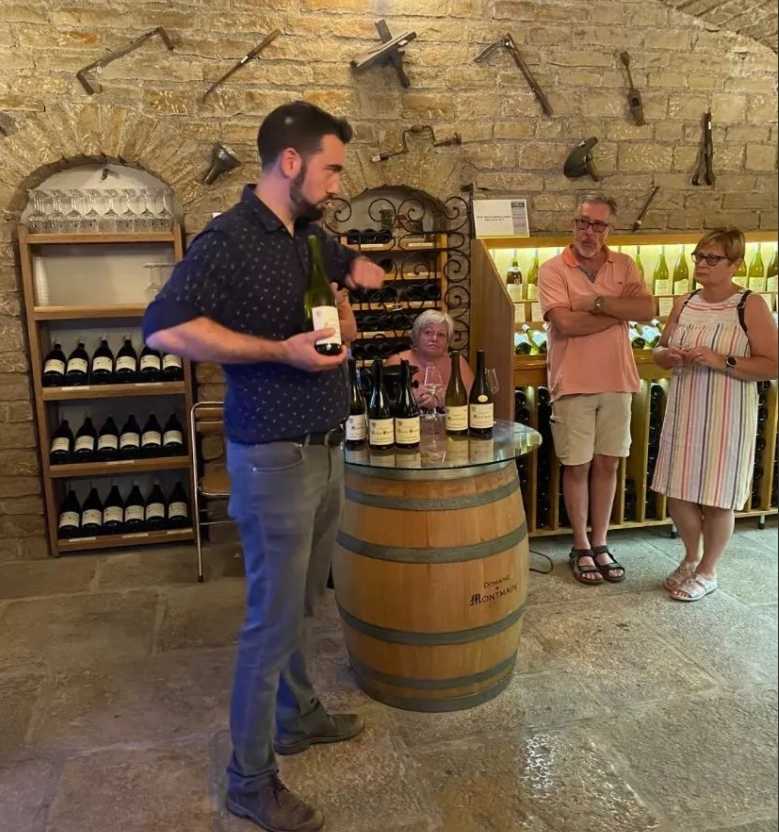
Obvious Trend of Industrial Integration: Overseas rural tourism is no longer a single tourism industry but is deeply integrated with industries such as agriculture, culture, education, and health preservation. For example, in Australia, many rural areas combine the wine industry with the tourism industry. Tourists can not only visit vineyards and taste wine but also participate in wine-making courses and related cultural activities. In Germany, some rural areas use forest resources to develop forest health preservation tourism, combining natural therapy with tourism to provide tourists with an experience of physical and mental relaxation.
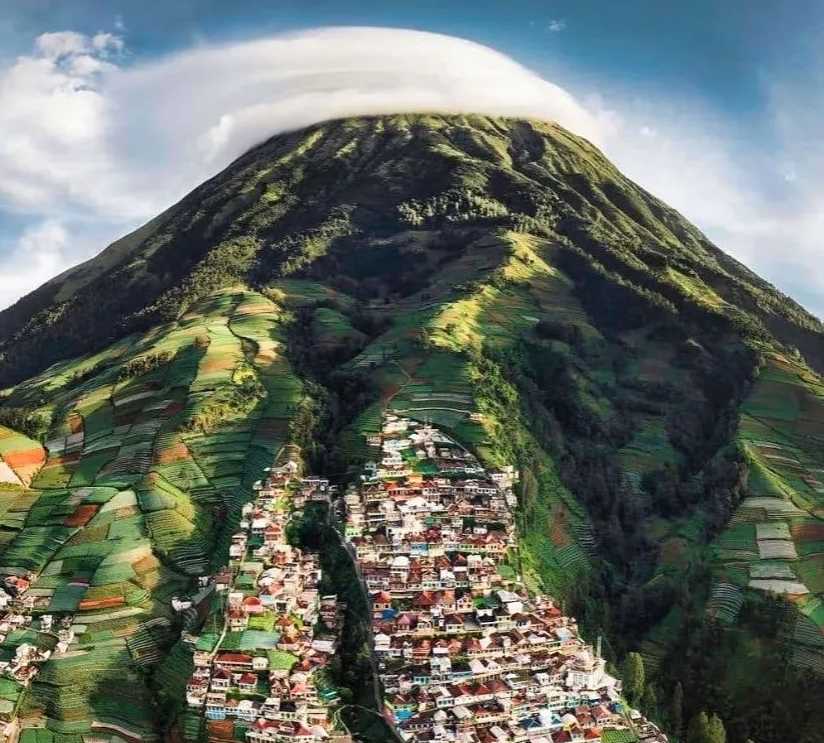
Source: Images from the Internet, if there is any infringement, please contact the removal of
II. Development Models of Overseas Rural Tourism
-
Agricultural Sightseeing Model: Based on agricultural production, this model attracts tourists for sightseeing, picking, and experiencing by showcasing the agricultural production process, crop planting, and livestock breeding. Many farms in the United States adopt this model. Tourists can pick fresh fruits and vegetables on the farm and learn about agricultural production knowledge. Thailand's fruit orchards are also a typical example of agricultural sightseeing rural tourism. Tourists can visit the orchards during the fruit ripening season and taste a variety of fresh tropical fruits.
-
Cultural Experience Model: Relying on local unique historical culture, folk culture, and traditional handicraft resources, cultural experience projects are developed. The Tuscany region in Italy attracts a large number of tourists with its rich historical and cultural heritage and beautiful rural scenery. Tourists can visit ancient castles, churches, and villages, admire artworks from the Renaissance period, and participate in local traditional festivals and folk activities. Japan's Shirakawa-go Village attracts many tourists with its unique traditional architecture and farming culture. Tourists can experience traditional Japanese rural life here.
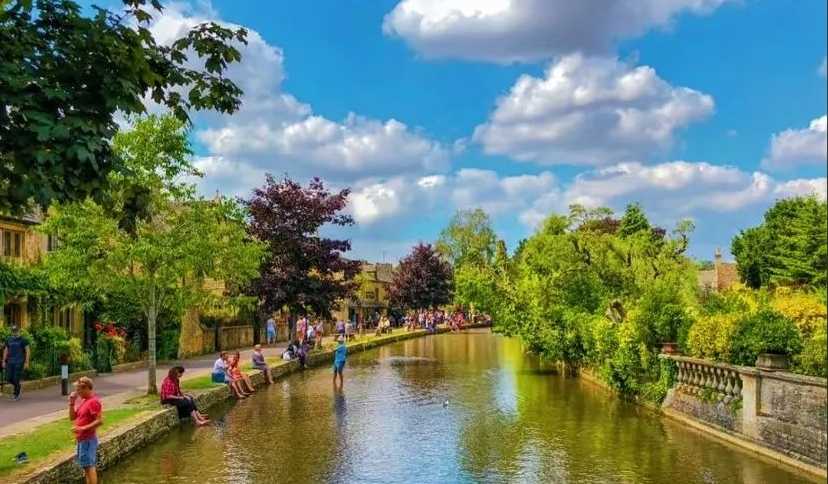
Source: Images from the Internet, if there is any infringement, please contact the removal of
- Leisure and Vacation Model: This model focuses on providing high-quality leisure and vacation facilities and services, such as comfortable accommodation, delicious cuisine, and a variety of entertainment activities. The Provence region in France has become a famous leisure and vacation destination with its beautiful lavender fields and romantic rural atmosphere. Tourists can stay in rural villas, enjoy leisurely time, and participate in various outdoor activities such as hiking, cycling, and horseback riding. Some rural vacation manors in New Zealand also offer high-quality accommodation and services, allowing tourists to relax and enjoy the beauty of nature.
-
Ecotourism Model: With the premise of protecting the natural ecological environment, ecotourism projects are developed. Costa Rica is a model country for ecotourism. The country is rich in natural resources and biodiversity. Tourists can ride horses in Costa Rica's tropical rainforests, observe rare animals and plants, and participate in ecological protection projects such as afforestation and wildlife protection. Some rural areas in Sweden also carry out ecotourism, where tourists can experience a lifestyle in harmony with nature.
Source: Images from the Internet, if there is any infringement, please contact the removal of