American Curl Cat: The Graceful Companion with Unique Curled Ears


Feline News
American Curl Cat: The Graceful Companion with Unique Curled Ears

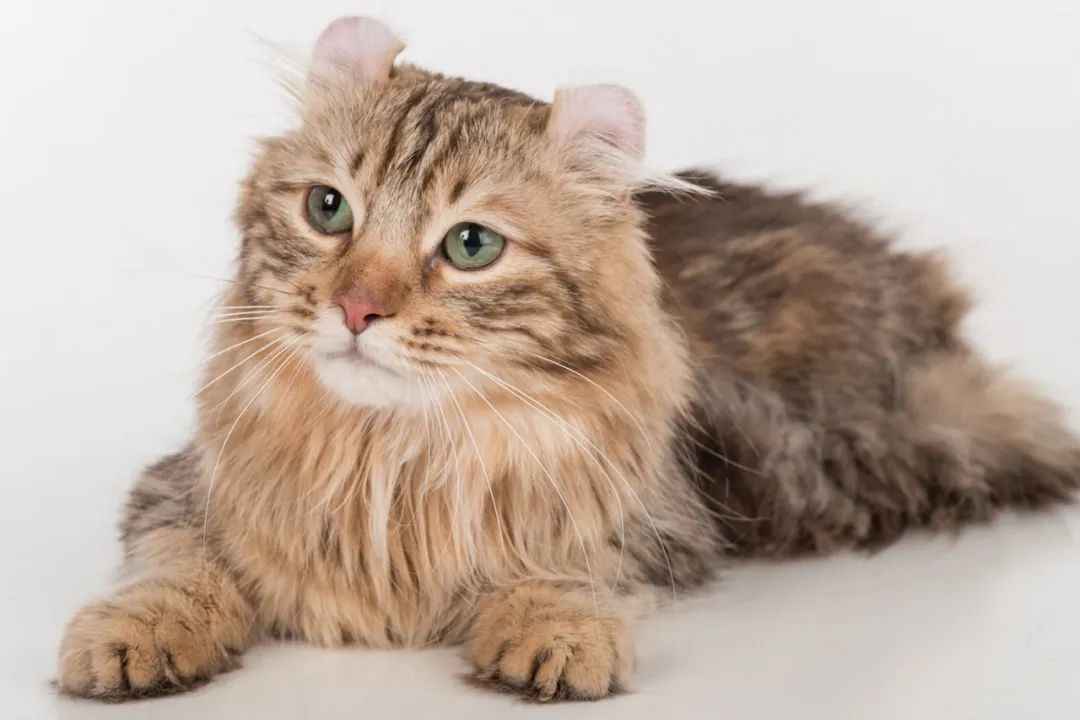
The American Curl, renowned for its distinctive backward-curling ears, is a unique breed originating from California in the 1980s. In 1981, a black long-haired stray kitten named Shulamith, born with a spontaneous genetic mutation causing curled ears, was adopted by Joe and Grace Ruga. This feline became the foundation of the breed. Through meticulous breeding, the American Curl was officially recognized by The International Cat Association (TICA) in 1986 and later by the Cat Fanciers' Association (CFA) in 1993, gradually gaining global popularity among cat enthusiasts.

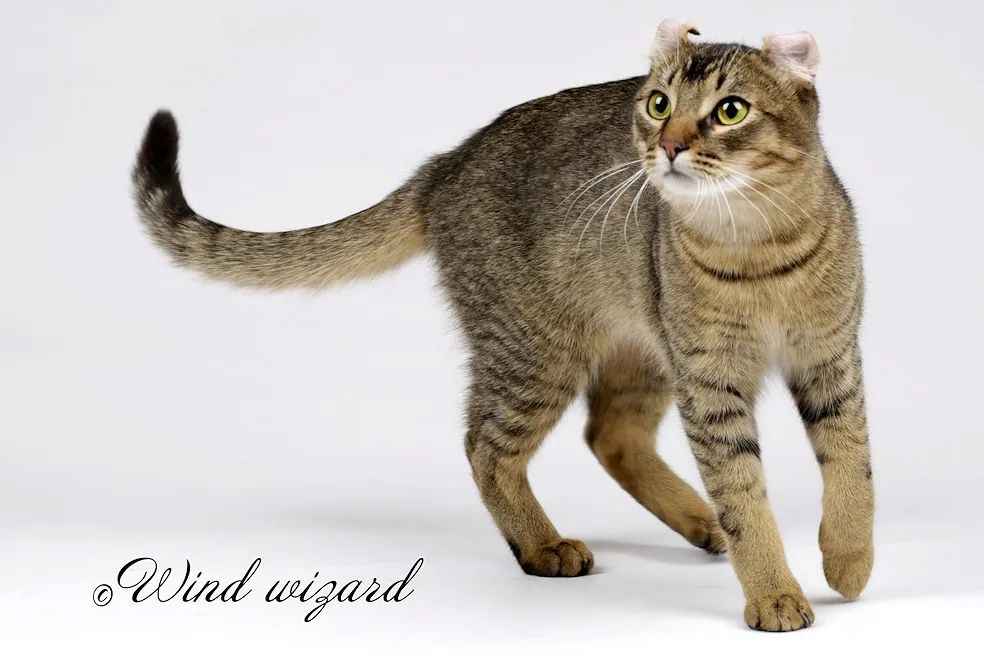
The breed’s defining feature is its naturally curled ears. Kittens are born with straight ears, which begin to curve backward within 3-5 days and fully set by 16 weeks, forming an elegant arc of 90 to 180 degrees36. The ears’ cartilage is soft and flexible, controlled by a dominant gene that requires only one parent’s inheritance3. American Curls come in both shorthair and longhair varieties, with silky coats in diverse colors and patterns, including solid, tabby, and tortoiseshell, catering to various aesthetic preferences38.


Personality-wise, American Curls are known for their gentle and affectionate nature. They are active, curious, and enjoy participating in family activities, often described as "dog-like loyal"24. Adaptable and sociable, they thrive in households with children and other pets, communicating with soft chirping sounds39. Despite their energy, they also cherish quiet moments with their owners, making them ideal companions410.
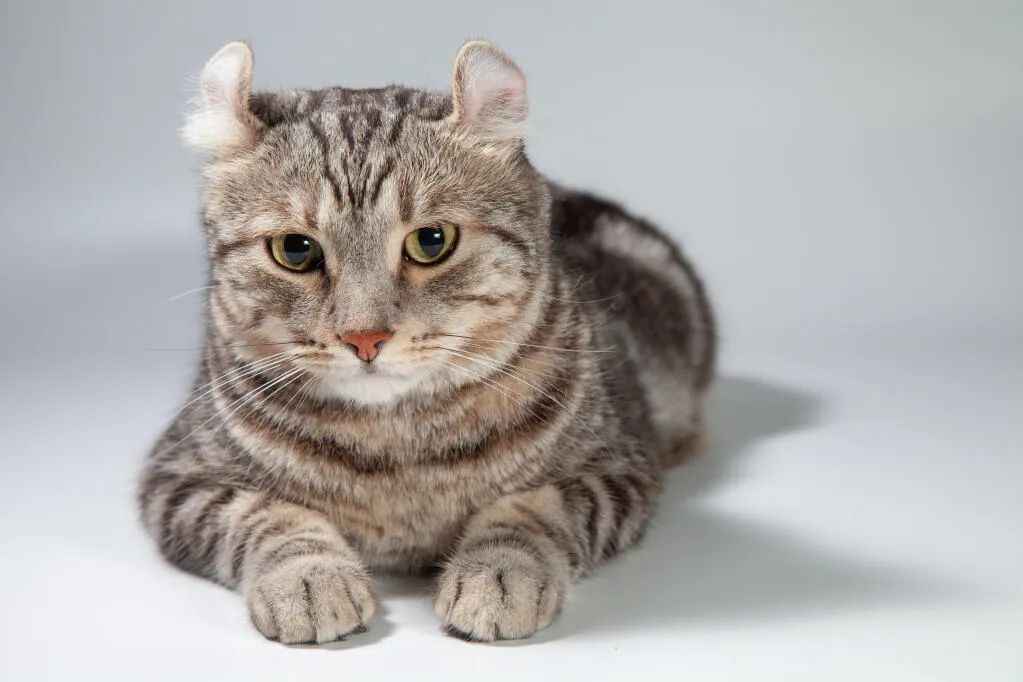
 

Source: Images from the Internet, if there is any infringement, please contact the removal of


Care requirements for American Curls are relatively low. Shorthaired cats need weekly brushing, while longhairs require biweekly grooming to prevent matting24. Due to their unique ear structure, regular cleaning with pet-specific solutions is essential to avoid wax buildup and infections511. A high-protein diet, paired with moderate exercise, helps maintain a healthy weight and prevent obesity-related issues56.


Health-wise, American Curls are generally robust, with a lifespan of 12-16 years25. While no major breed-specific genetic disorders are linked to their curled ears, potential risks like progressive retinal atrophy (PRA) warrant attention45. Regular veterinary checkups and vaccinations remain critical for their well-being15.


Today, the American Curl’s striking appearance and loving temperament have earned them accolades in international cat shows, solidifying their status as a beloved breed for both companionship and exhibition. Whether as family pets or show stars, they continue to captivate hearts worldwide with their grace and warmth

Latest Stories
Feline News2 minute readThe Kurilian Bobtail Longhair, a captivating breed hailing from Russia’s Sakhalin Island and the Kuril Archipelago, has emerged as a fascinating subject in the international feline community. With its distinctive bobbed tail and striking appearance, this natural breed is garnering recognition for its unique history, robust health, and affectionate demeanor.
Life News2 minute readOn the streets and alleys of Italy, gelato is more than just a refreshing dessert; it is a vivid embodiment of the country's culinary philosophy. Compared to the common American ice cream, this Italian classic has become an irreplaceable culinary symbol in the hearts of food lovers worldwide, thanks to its unique craftsmanship and texture.
Feline News2 minute readIn 1982, a bald kitten with an unusual genetic mutation emerged in a barn on an Oregon cherry farm, marking the accidental birth of one of the world’s most distinctive feline breeds—the LaPerm. This curly-coated wonder, named for its "wavy" or "rippled" fur, has since captivated cat lovers globally with its unique appearance and playful personality .
Feline News1 minute readThe Brazilian Shorthair, a distinctive feline breed native to Brazil, has captivated cat enthusiasts with its charming personality and adaptable nature. Originating from the country's street cats, the breed was formally recognized in the 1980s after decades of selective breeding to preserve its unique traits.
Feline News1 minute readIn recent days, a cat named Marguerite has quietly risen to fame in a suburban community. The 3-year-old orange-and-white feline, once a street stray, has now become a "heartwarming bond" connecting neighbors.
Feline News2 minute readOriginating from the city of Rostov-on-Don in Russia, the Donskoy cat, also known as the Don Sphynx, has captivated feline enthusiasts worldwide with its unique appearance and affectionate demeanor. First discovered in 1987 when Professor Elena Kovaleva rescued a hairless kitten named Varvara, the breed emerged from a natural genetic mutation that resulted in a lack of fur. Varvara’s subsequent litters produced both haired and hairless kittens, leading breeder Irina Nemykina to develop the Donskoy through selective breeding with European Shorthairs. Recognized by The International Cat Associat
Feline News2 minute readThe Nebelung, a captivating feline often mistaken for the Russian Blue, is a rare breed celebrated for its striking appearance and gentle demeanor. Originating in the U.S. during the 1980s, this breed emerged from intentional crossbreeding to replicate the elegance of Victorian-era long-haired blue cats. Named after the German word "nebel" (meaning "mist"), the Nebelung’s silvery-tipped blue-gray coat evokes a misty aura, while its green or yellow-green eyes add to its enigmatic charm.