AMG GT R: Claiming the Throne of Rear - Wheel - Drive Speed at the Nürburgring


Car Information
AMG GT R: Claiming the Throne of Rear - Wheel - Drive Speed at the Nürburgring

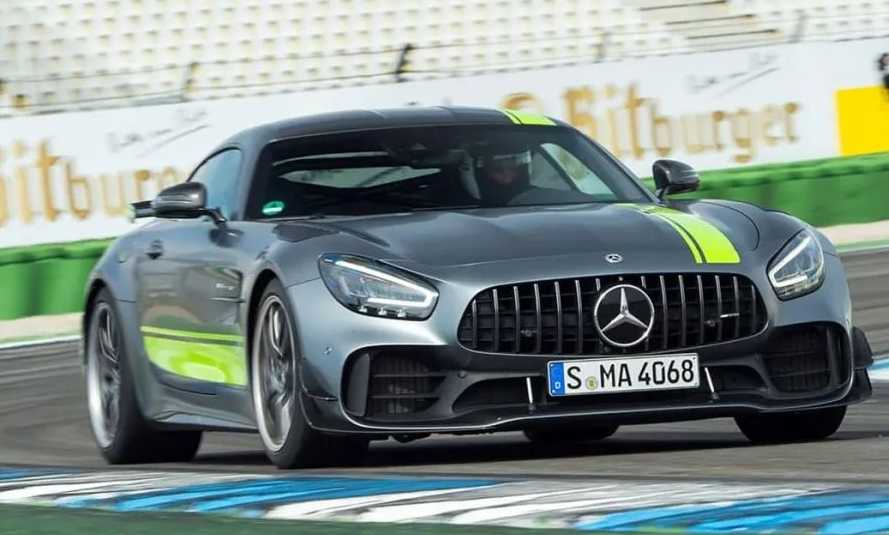
In November 2016, the automotive world witnessed a remarkable feat as the AMG GT R etched its name into the annals of speed. Piloted by Christian Gebhardt, a test driver for the German magazine Sport Auto, the AMG GT R blazed through the challenging Nürburgring Nordschleife, setting an official lap time of 7 minutes, 10 seconds, and 92 hundredths.


This time wasn't just a number; it was a statement. The 7:10.92 lap firmly established the AMG GT R as the fastest rear - wheel - drive production car around the Nürburgring at that time. Every twist, turn, and straight of the grueling 20.832 - kilometer track was conquered with precision, showcasing the GT R’s formidable combination of power, handling, and aerodynamics. The car's roaring engine, finely - tuned suspension, and advanced traction control systems worked in harmony to deliver a performance that left competitors in the dust.


The achievement of the AMG GT R at the Nürburgring was a testament to Mercedes - AMG’s engineering prowess. It proved that the brand could create a rear - wheel - drive supercar capable of extreme performance on one of the world’s most demanding circuits. Even years after its record - setting lap, the AMG GT R’s Nürburgring time remains a benchmark, continuing to inspire awe and admiration among automotive enthusiasts worldwide.
Latest Stories
Feline News2 minute readThe Kurilian Bobtail Longhair, a captivating breed hailing from Russia’s Sakhalin Island and the Kuril Archipelago, has emerged as a fascinating subject in the international feline community. With its distinctive bobbed tail and striking appearance, this natural breed is garnering recognition for its unique history, robust health, and affectionate demeanor.
Life News2 minute readOn the streets and alleys of Italy, gelato is more than just a refreshing dessert; it is a vivid embodiment of the country's culinary philosophy. Compared to the common American ice cream, this Italian classic has become an irreplaceable culinary symbol in the hearts of food lovers worldwide, thanks to its unique craftsmanship and texture.
Feline News2 minute readIn 1982, a bald kitten with an unusual genetic mutation emerged in a barn on an Oregon cherry farm, marking the accidental birth of one of the world’s most distinctive feline breeds—the LaPerm. This curly-coated wonder, named for its "wavy" or "rippled" fur, has since captivated cat lovers globally with its unique appearance and playful personality .
Feline News1 minute readThe Brazilian Shorthair, a distinctive feline breed native to Brazil, has captivated cat enthusiasts with its charming personality and adaptable nature. Originating from the country's street cats, the breed was formally recognized in the 1980s after decades of selective breeding to preserve its unique traits.
Feline News1 minute readIn recent days, a cat named Marguerite has quietly risen to fame in a suburban community. The 3-year-old orange-and-white feline, once a street stray, has now become a "heartwarming bond" connecting neighbors.
Feline News2 minute readOriginating from the city of Rostov-on-Don in Russia, the Donskoy cat, also known as the Don Sphynx, has captivated feline enthusiasts worldwide with its unique appearance and affectionate demeanor. First discovered in 1987 when Professor Elena Kovaleva rescued a hairless kitten named Varvara, the breed emerged from a natural genetic mutation that resulted in a lack of fur. Varvara’s subsequent litters produced both haired and hairless kittens, leading breeder Irina Nemykina to develop the Donskoy through selective breeding with European Shorthairs. Recognized by The International Cat Associat
Feline News2 minute readThe Nebelung, a captivating feline often mistaken for the Russian Blue, is a rare breed celebrated for its striking appearance and gentle demeanor. Originating in the U.S. during the 1980s, this breed emerged from intentional crossbreeding to replicate the elegance of Victorian-era long-haired blue cats. Named after the German word "nebel" (meaning "mist"), the Nebelung’s silvery-tipped blue-gray coat evokes a misty aura, while its green or yellow-green eyes add to its enigmatic charm.