The Deadliest Predator in the Sea: Australia's Box Jellyfish


Marine Biology
The Deadliest Predator in the Sea: Australia's Box Jellyfish

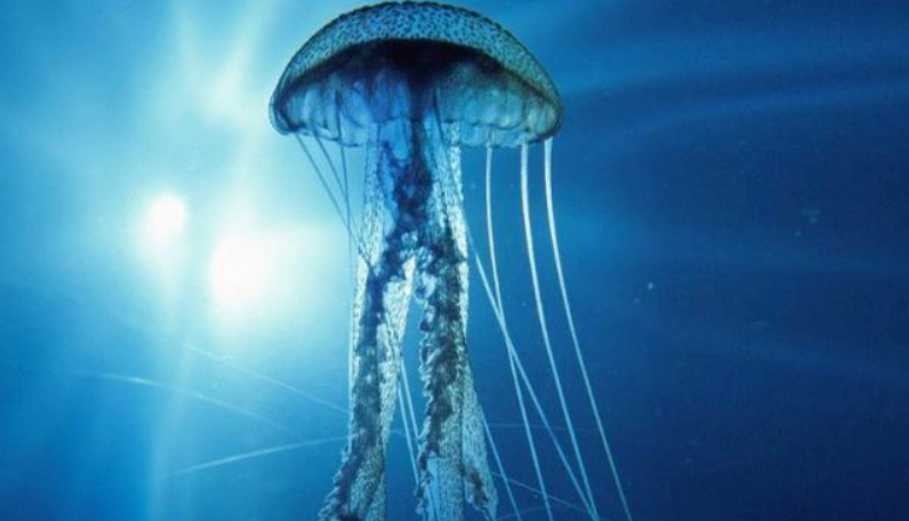
Considered the most venomous creature on Earth, box jellyfish (Chironex fleckeri) inhabit warm coastal waters worldwide, but none are more infamous than the Australian box jellyfish. With a bell-shaped body reaching up to 30 centimeters in diameter and trailing tentacles that can extend over 3 meters, this marine predator possesses a toxin so potent that a single individual’s stings can kill up to 60 adult humans. Its reign as the ocean’s silent killer is unmatched, blending transparency, speed, and lethality into a nightmare for swimmers and divers.


The Australian box jellyfish’s tentacles are lined with millions of tiny cnidocytes, specialized cells containing harpoon-like structures called nematocysts. Upon contact with human skin, these nematocysts inject a cocktail of toxins that attack the nervous system, heart, and skin cells. A single tentacle’s sting induces immediate, excruciating pain, followed by shock, respiratory failure, and cardiac arrest within minutes. Victims often succumb to drowning or cardiac collapse before reaching shore, making it one of the few creatures capable of killing a healthy adult in mere moments. Even detached tentacles can sting, emphasizing the danger posed by stranded specimens on beaches.

Despite its fearsome reputation, the box jellyfish plays a vital role in marine ecosystems, preying on small fish and crustaceans while serving as prey for sea turtles, which are immune to its venom. Human encounters are most common in northern Australian waters during the wet season, prompting beach closures and the development of protective measures like stinger suits. Researchers continue to study its venom for potential medical applications, such as pain relief and cancer treatments, highlighting the complex relationship between humanity and this lethal marvel of evolution. As climate change shifts ocean currents and expands its habitat, the Australian box jellyfish remains a stark reminder of nature’s unforgiving power—and the urgent need for respect and caution in its watery domain.
 
 
Latest Stories
Feline News2 minute readThe Kurilian Bobtail Longhair, a captivating breed hailing from Russia’s Sakhalin Island and the Kuril Archipelago, has emerged as a fascinating subject in the international feline community. With its distinctive bobbed tail and striking appearance, this natural breed is garnering recognition for its unique history, robust health, and affectionate demeanor.
Life News2 minute readOn the streets and alleys of Italy, gelato is more than just a refreshing dessert; it is a vivid embodiment of the country's culinary philosophy. Compared to the common American ice cream, this Italian classic has become an irreplaceable culinary symbol in the hearts of food lovers worldwide, thanks to its unique craftsmanship and texture.
Feline News2 minute readIn 1982, a bald kitten with an unusual genetic mutation emerged in a barn on an Oregon cherry farm, marking the accidental birth of one of the world’s most distinctive feline breeds—the LaPerm. This curly-coated wonder, named for its "wavy" or "rippled" fur, has since captivated cat lovers globally with its unique appearance and playful personality .
Feline News1 minute readThe Brazilian Shorthair, a distinctive feline breed native to Brazil, has captivated cat enthusiasts with its charming personality and adaptable nature. Originating from the country's street cats, the breed was formally recognized in the 1980s after decades of selective breeding to preserve its unique traits.
Feline News1 minute readIn recent days, a cat named Marguerite has quietly risen to fame in a suburban community. The 3-year-old orange-and-white feline, once a street stray, has now become a "heartwarming bond" connecting neighbors.
Feline News2 minute readOriginating from the city of Rostov-on-Don in Russia, the Donskoy cat, also known as the Don Sphynx, has captivated feline enthusiasts worldwide with its unique appearance and affectionate demeanor. First discovered in 1987 when Professor Elena Kovaleva rescued a hairless kitten named Varvara, the breed emerged from a natural genetic mutation that resulted in a lack of fur. Varvara’s subsequent litters produced both haired and hairless kittens, leading breeder Irina Nemykina to develop the Donskoy through selective breeding with European Shorthairs. Recognized by The International Cat Associat
Feline News2 minute readThe Nebelung, a captivating feline often mistaken for the Russian Blue, is a rare breed celebrated for its striking appearance and gentle demeanor. Originating in the U.S. during the 1980s, this breed emerged from intentional crossbreeding to replicate the elegance of Victorian-era long-haired blue cats. Named after the German word "nebel" (meaning "mist"), the Nebelung’s silvery-tipped blue-gray coat evokes a misty aura, while its green or yellow-green eyes add to its enigmatic charm.