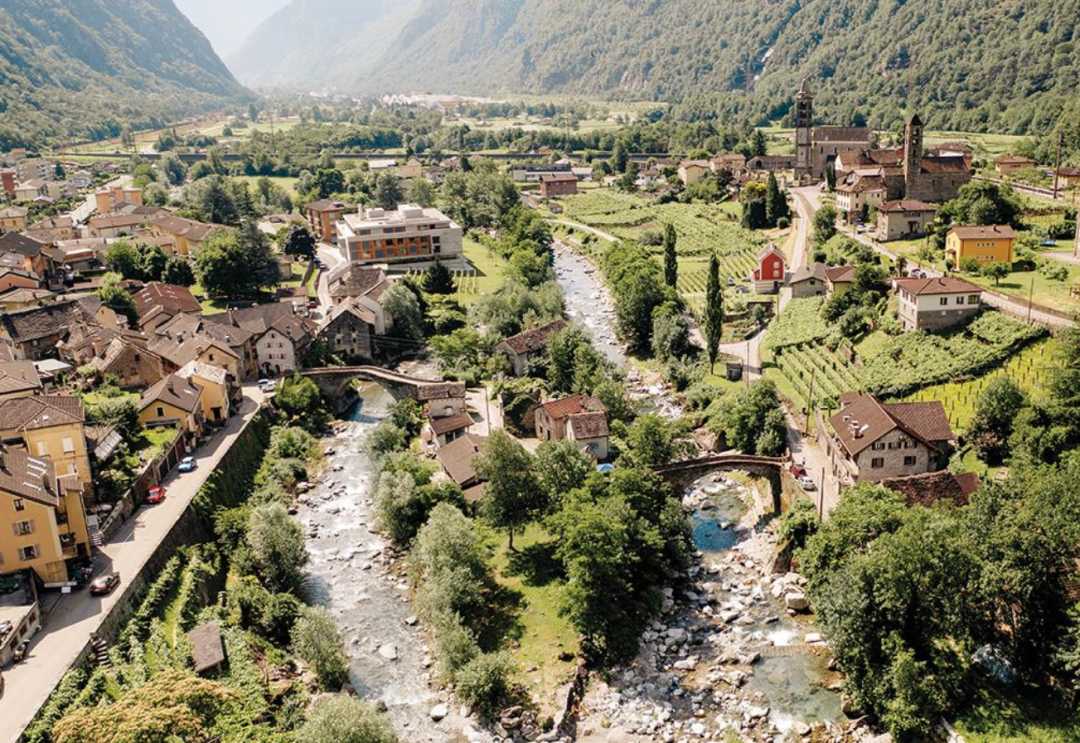
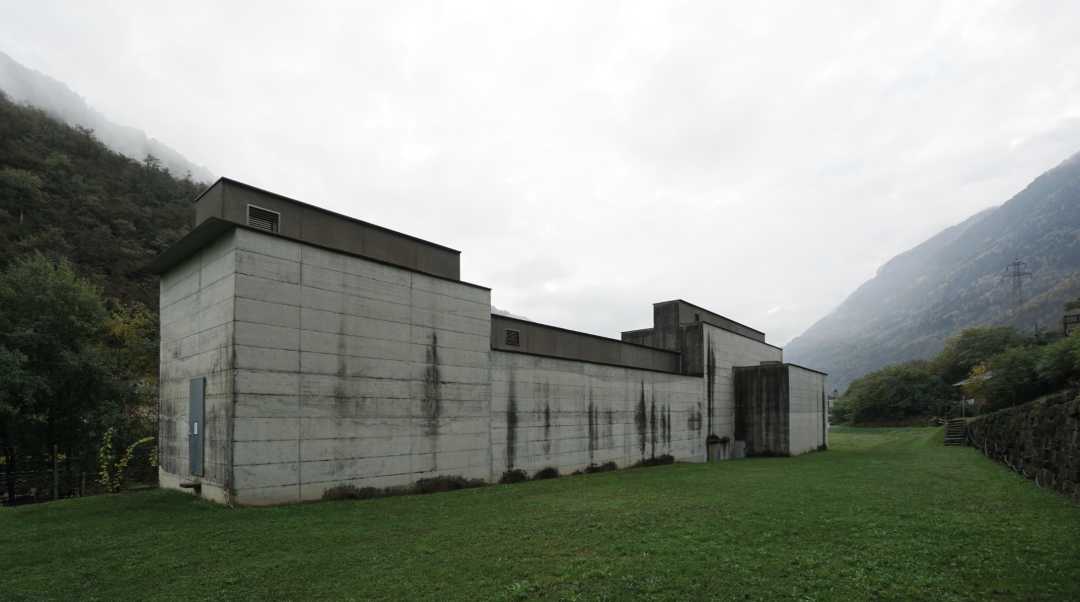
Giornico is a small village in a valley in the Ticino region with a population of about 800. Architecture students who know this place mostly because of Peter Markli's sculpture museum. Arriving on a rainy morning, the village's terroir struck us even more.
Source: Images from the Internet, if there is any infringement, please contact the removal of
Peter Markli, Museo La Congiunta1.
Source: Images from the Internet, if there is any infringement, please contact the removal of
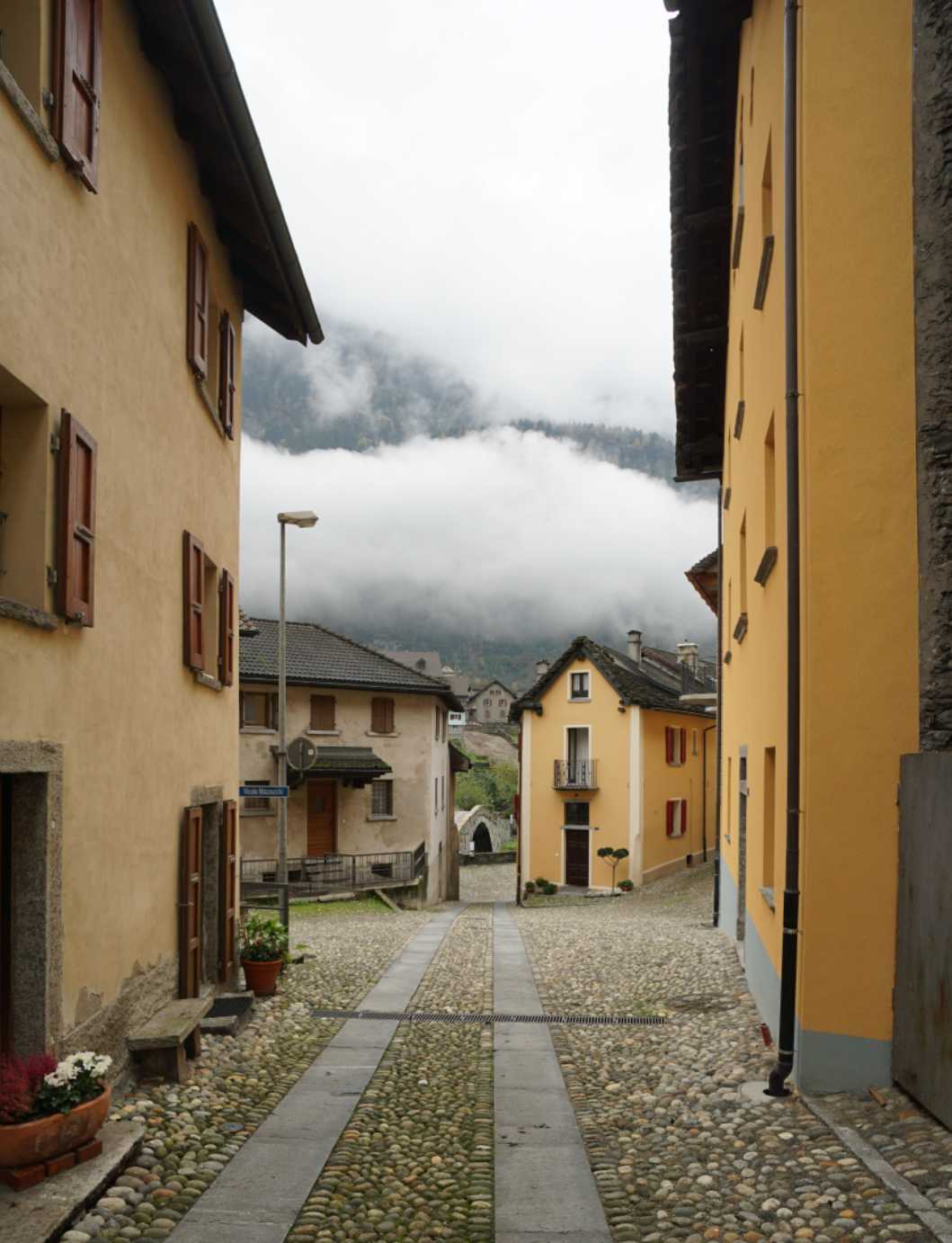
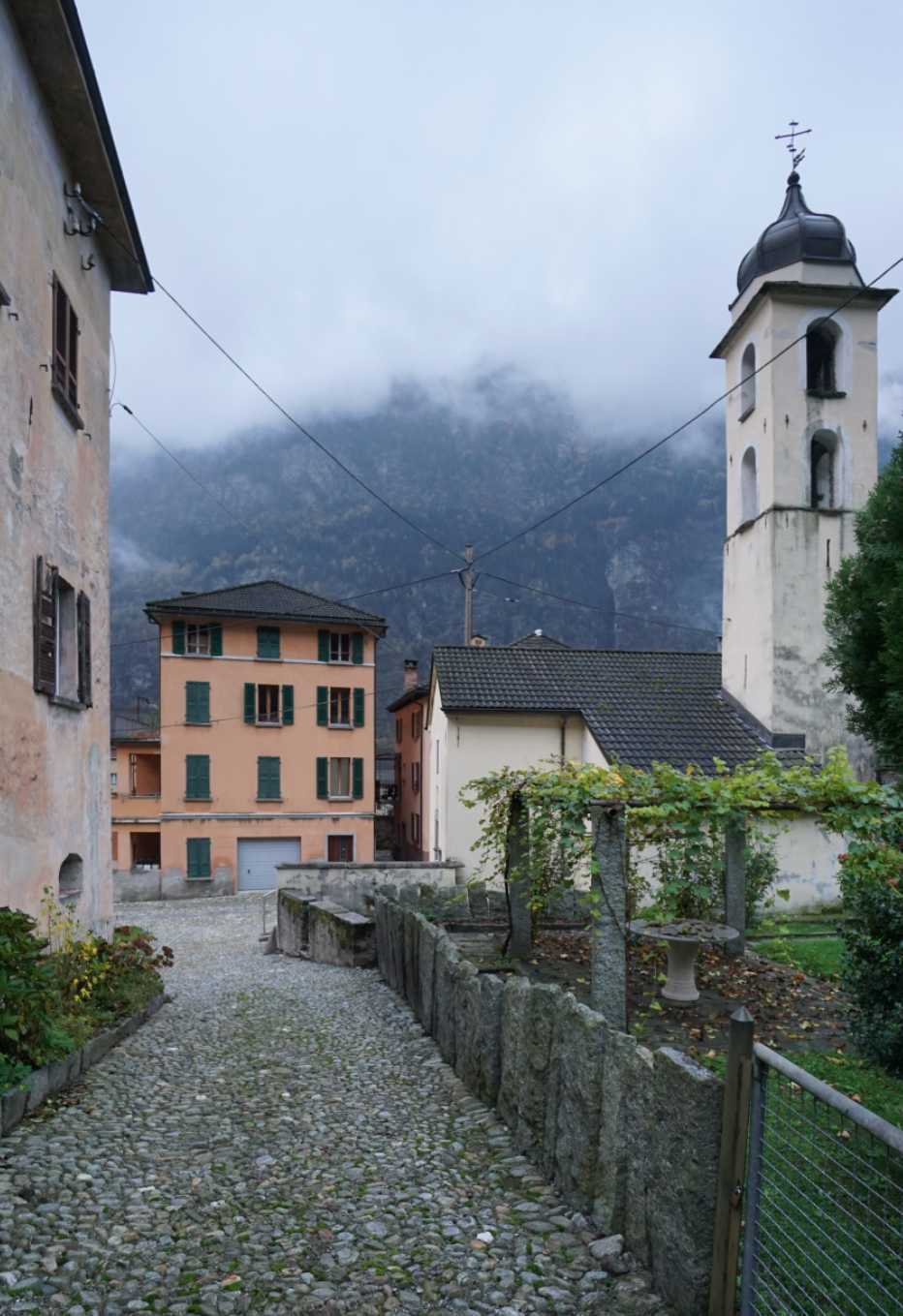
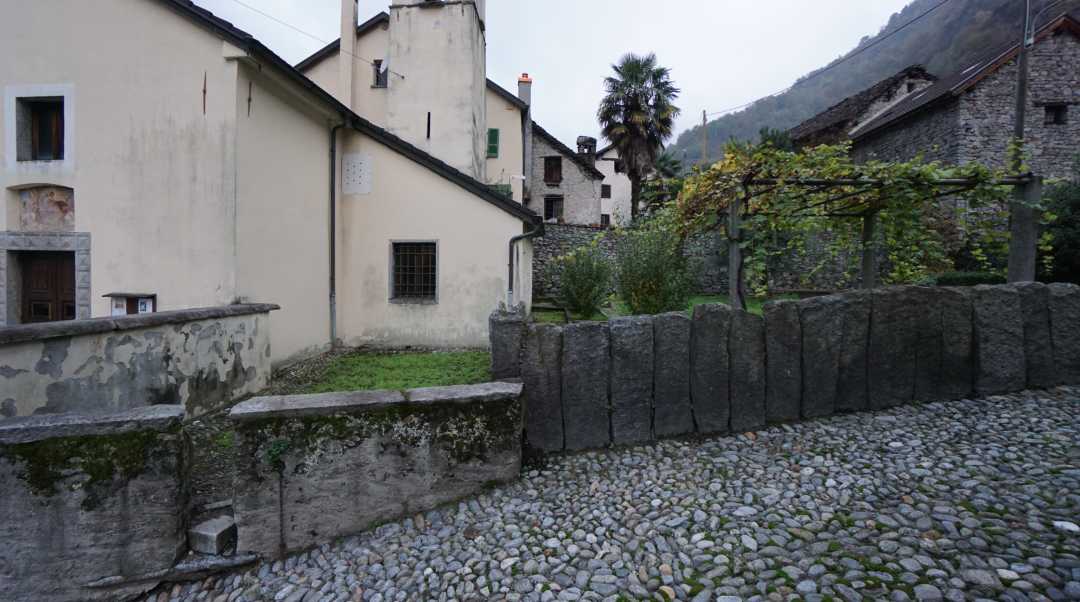
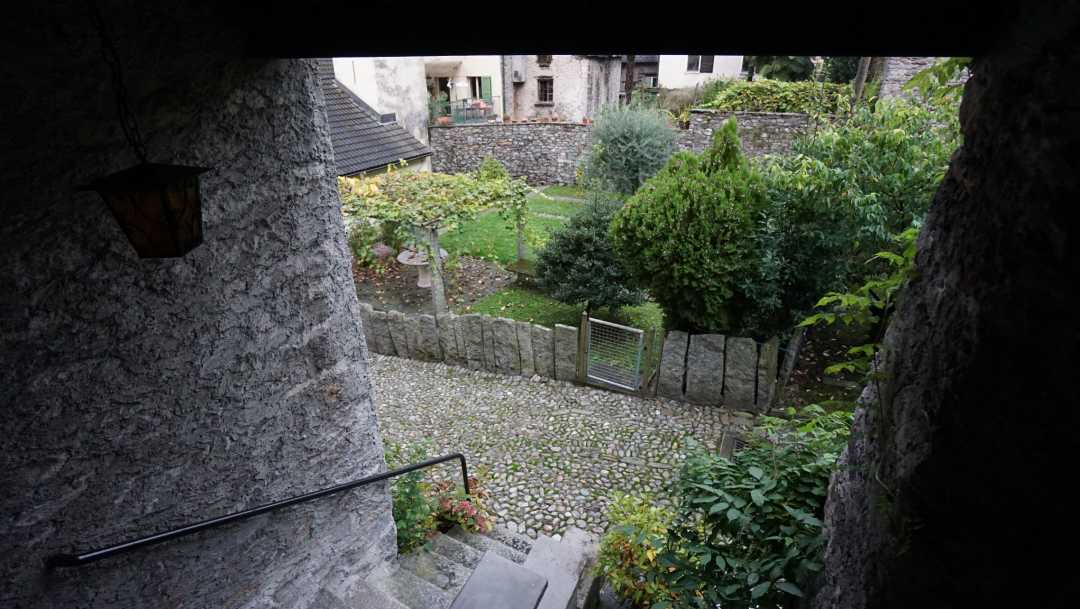
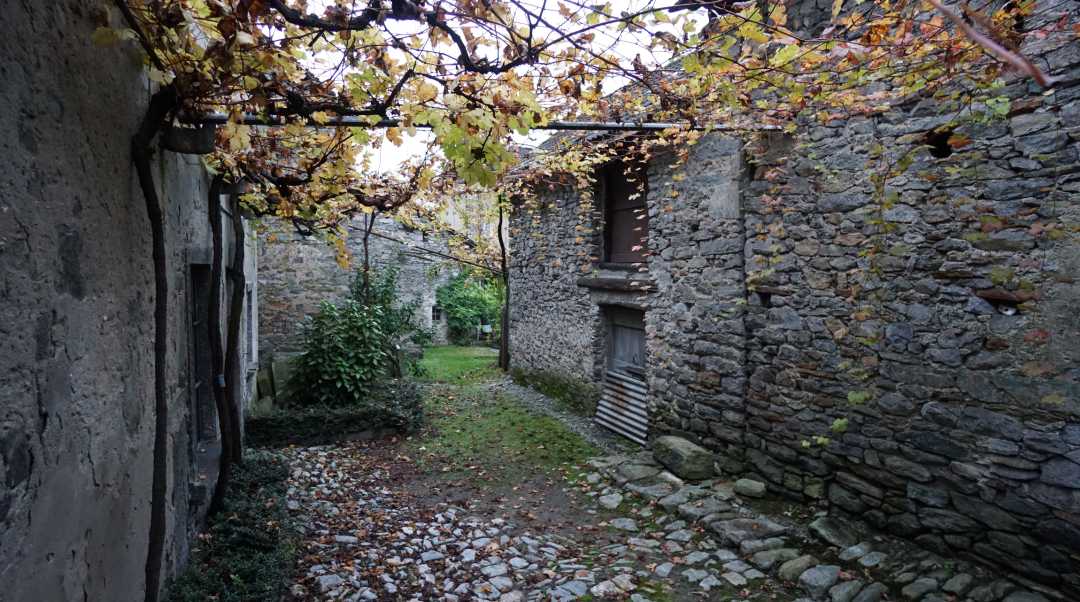
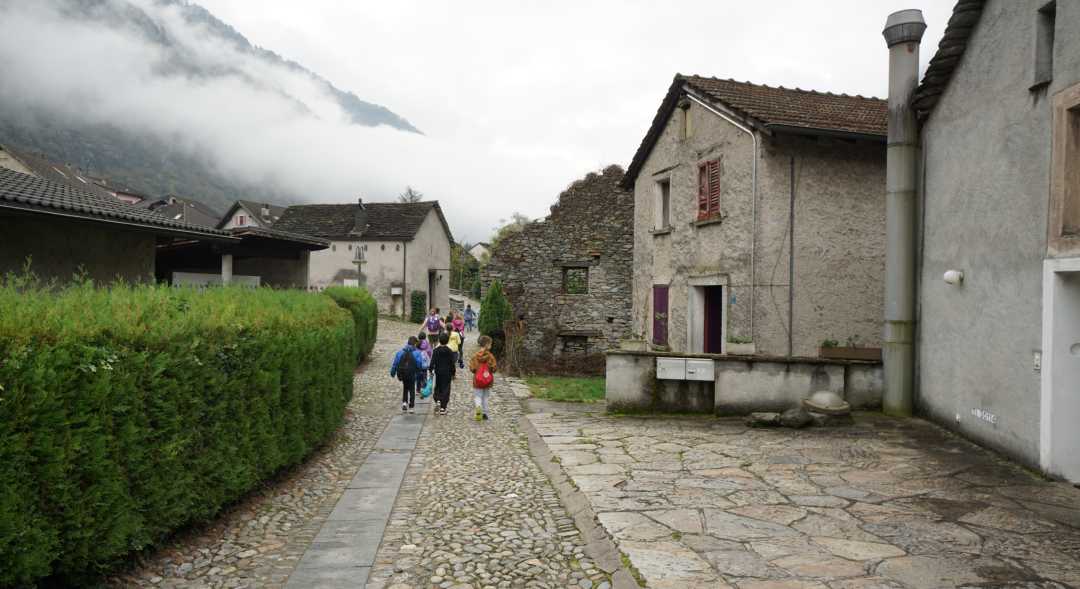
The area around the chapel follows the sound of water and a small stream from the bus stop, with views of distant mountain waterfalls and grassy dew. A small church and the surrounding residential streets present an extremely rustic and moving quality. The small yard next to the church is half-enclosed by a stone fence, and a small pavilion with greenery further defines the place. Along the road and around the courtyard are several stone houses that appear to be abandoned, while the leafy grapevines that line the streets reinforce the perception and atmosphere of the place.
Source: Images from the Internet, if there is any infringement, please contact the removal of
Oratorio di Santa Maria di Loreto
Source: Images from the Internet, if there is any infringement, please contact the removal of
Source: Images from the Internet, if there is any infringement, please contact the removal of
Churchyard and Pavilion surrounded by stone railings
Source: Images from the Internet, if there is any infringement, please contact the removal of
Entrance doorway of the private house opposite the churchyard, with the doorway looking out onto the courtyard.
Source: Images from the Internet, if there is any infringement, please contact the removal of
Street covered with grapevines, intersected by stone elements
Source: Images from the Internet, if there is any infringement, please contact the removal of
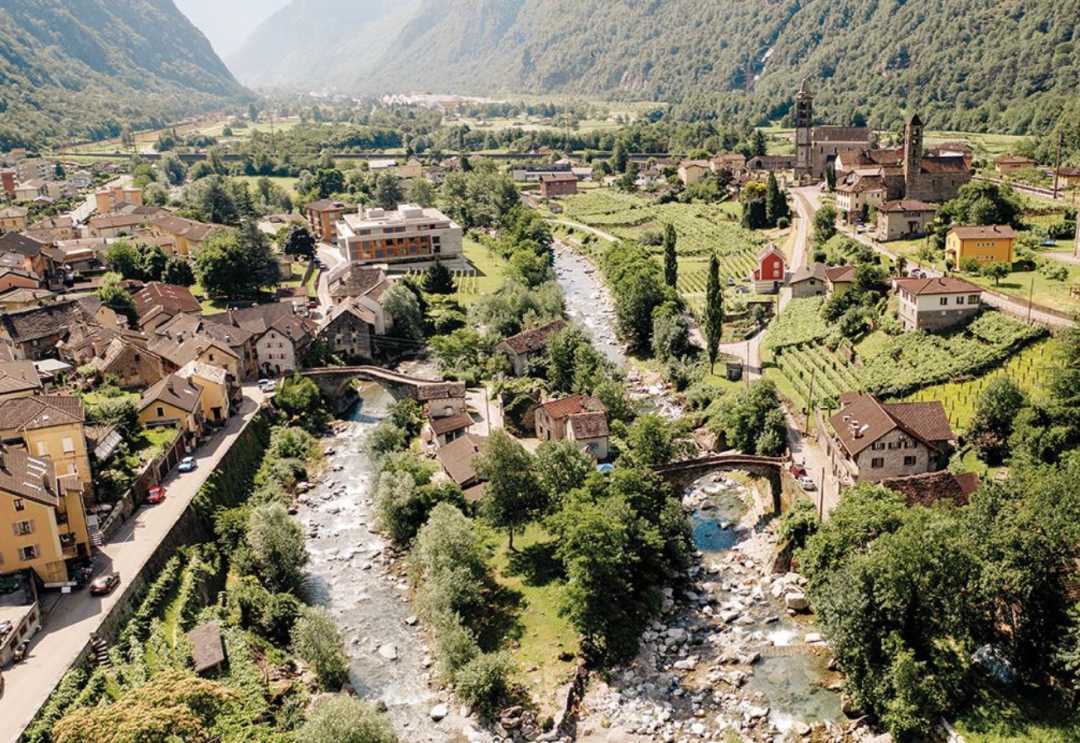
Small island, three stone bridges
Aerial view of the bridge and the surrounding village structures
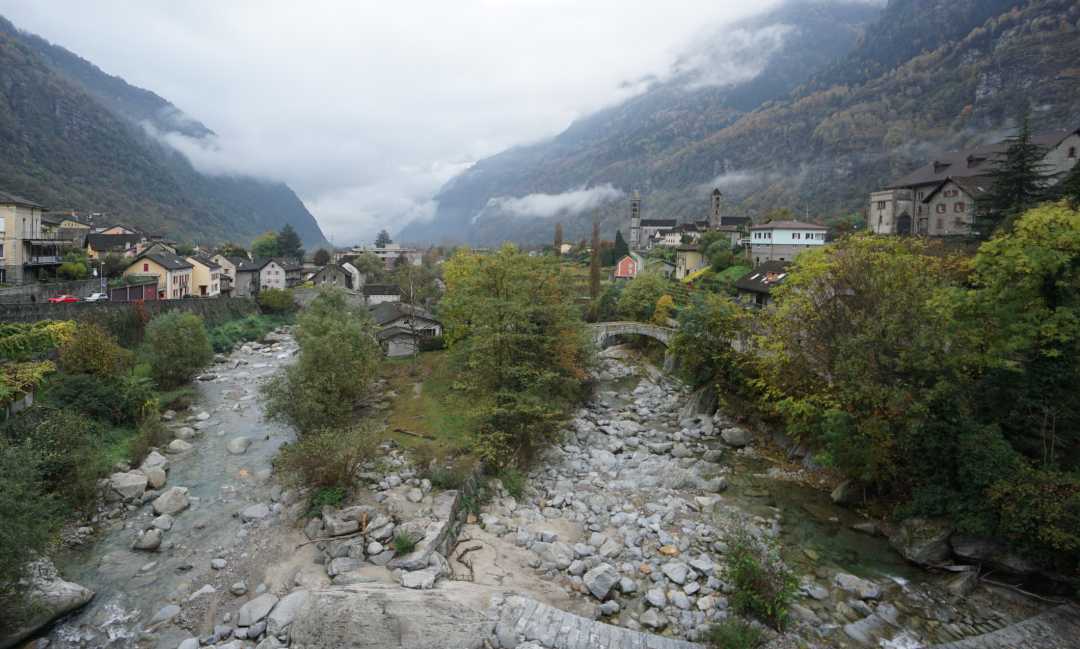
The river diverges at one point to form an island with two small bridges connecting the island to both sides of the river, and another through bridge connects from the end of the village to the larger scale transportation network, and also directly down to the riverbank at the pedestrian scale, connecting the riparian system to the two small bridges. One of them integrates the spatial structure of the chapel at the end of the bridge, which also serves as a gateway to the island. Through the church and the island path, the other bridge leads to the main village.
Source: Images from the Internet, if there is any infringement, please contact the removal of
View from the bridge towards the island and the two bridges on the opposite side of the island
Source: Images from the Internet, if there is any infringement, please contact the removal of
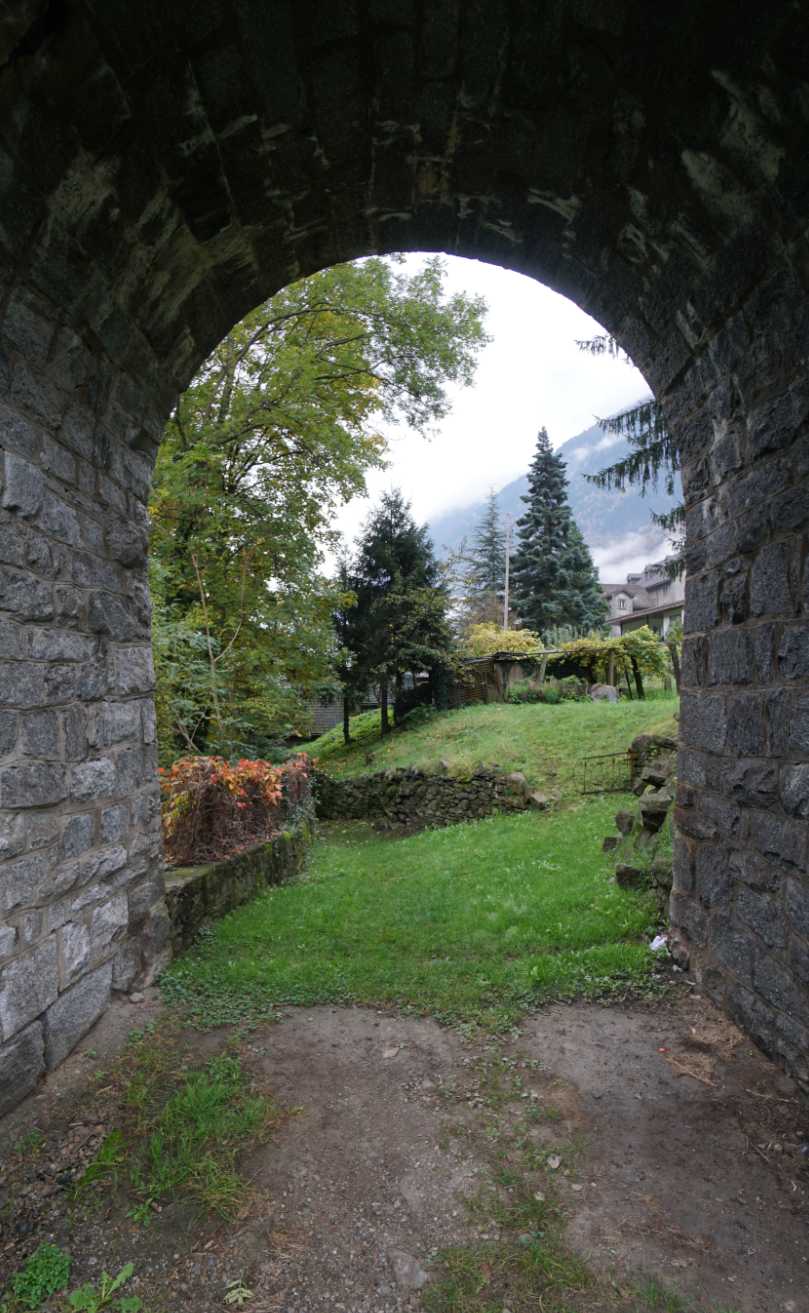
Descending the steps to the bridge opening
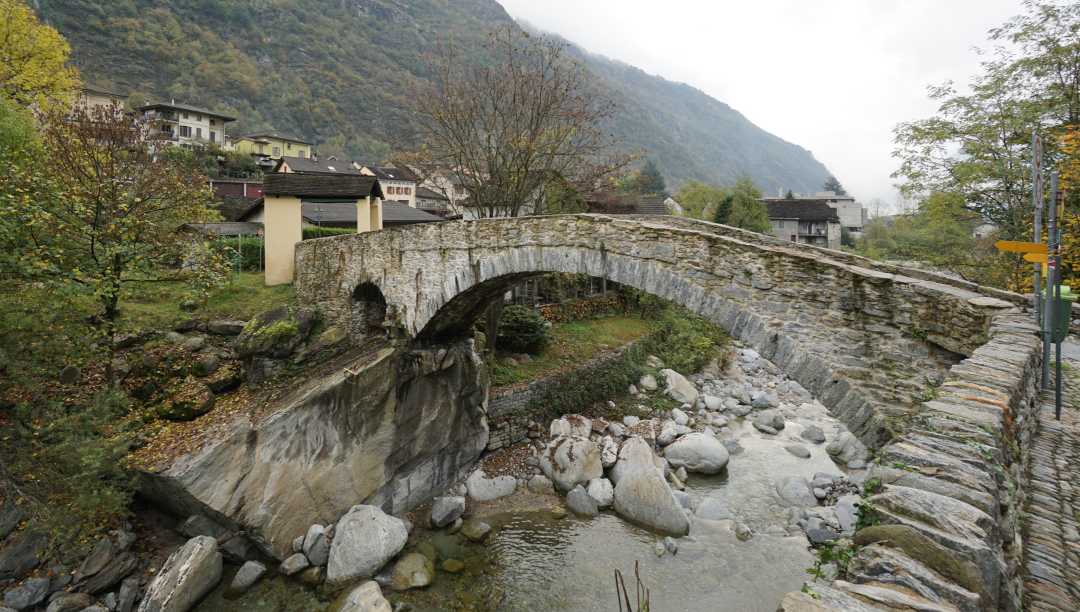
Source: Images from the Internet, if there is any infringement, please contact the removal of
Bridge #2: The chapel at the end of the bridge also serves as a gateway to the island
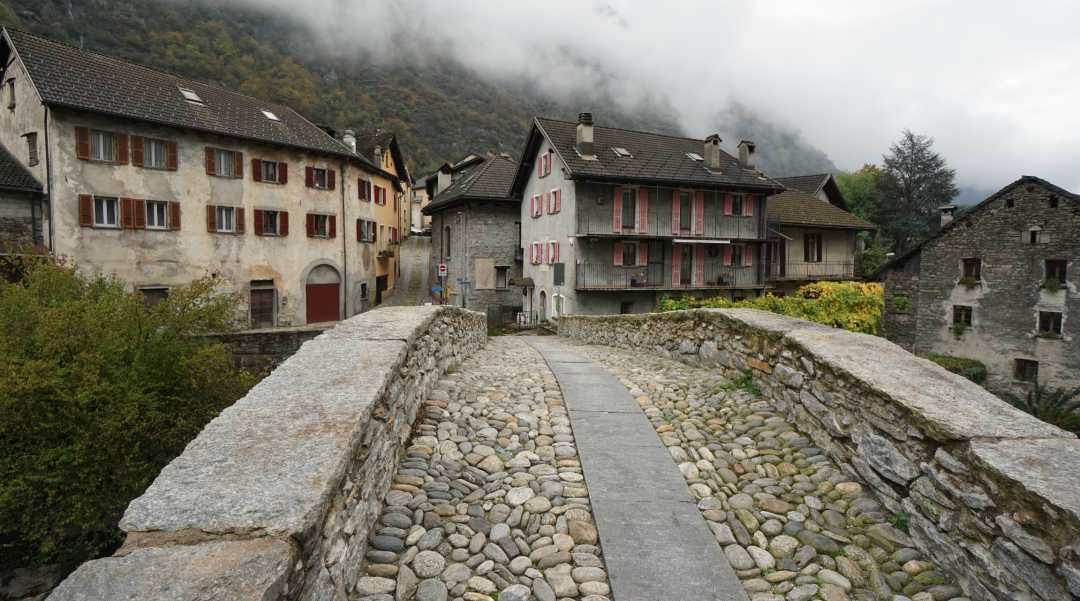
Source: Images from the Internet, if there is any infringement, please contact the removal of
The island road after crossing the chapel, connecting the two small bridges
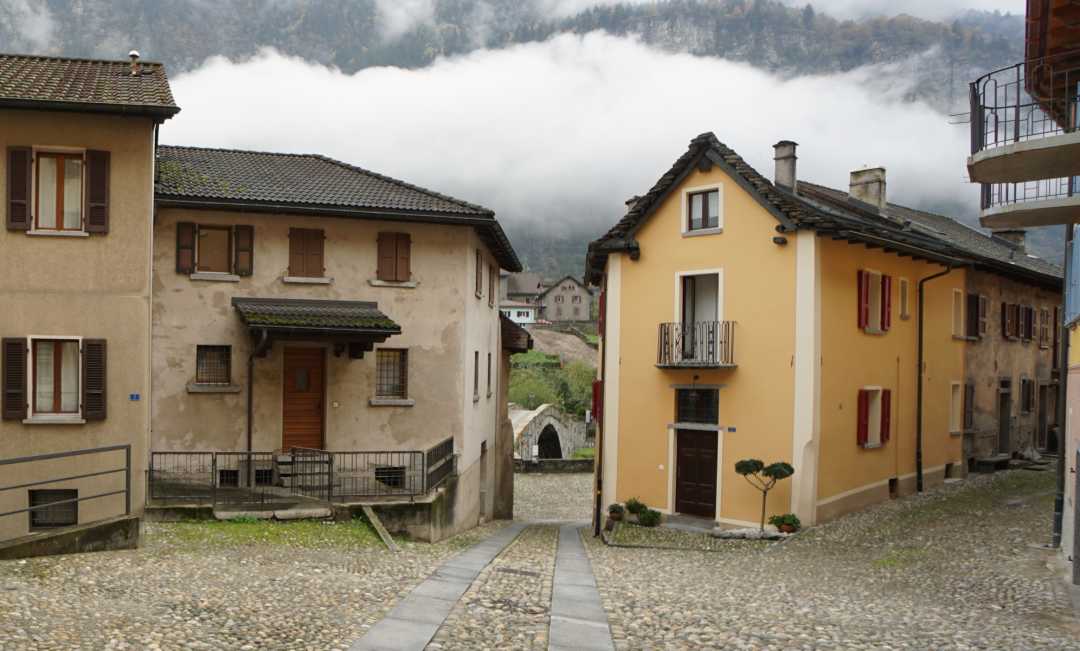
Source: Images from the Internet, if there is any infringement, please contact the removal of
Bridge #3: connecting the island to the main village