The Mesmerizing Pendant - like Flowers of the Hibiscus schizopetalus


Plant Information
The Mesmerizing Pendant - like Flowers of the Hibiscus schizopetalus

In the world of botany, few flowers capture the imagination quite like the Hibiscus schizopetalus, commonly known as the Pendant - like Flower or the Dancing Lady Hibiscus. This remarkable plant, native to East Africa, has been enchanting gardeners and nature enthusiasts worldwide with its unique appearance and long - lasting beauty.


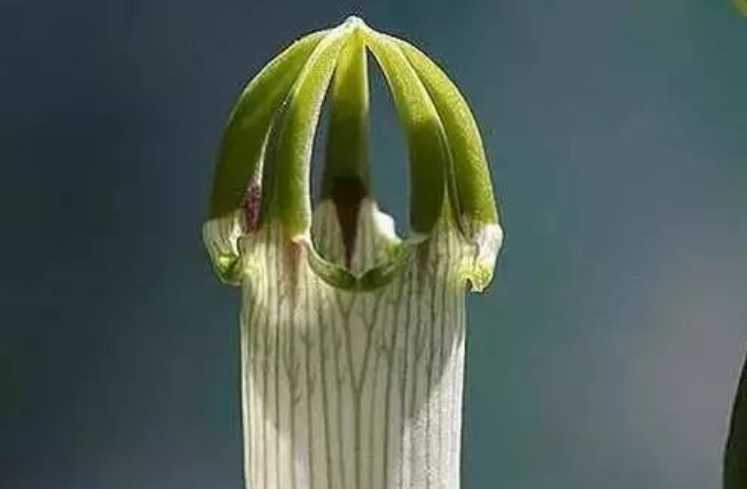
The Hibiscus schizopetalus is an evergreen shrub that can reach heights of up to 3 meters. Its most distinctive feature is, without a doubt, its flowers. Each flower, which can be as large as 10 centimeters in diameter, is a show - stopper. The petals are long, slender, and deeply divided, creating a fringed effect that gives the impression of a flowing skirt. They range in color from a vibrant red to a soft pink, with some varieties even boasting a combination of both. The stamens, which protrude prominently from the center of the flower, add to its charm, resembling a tuft of colorful threads. The flowers are borne on long, slender stalks that hang downwards, hence the name "Pendant - like Flower," creating a graceful and elegant display.


This plant is not only a visual delight but also a relatively easy one to cultivate. It thrives in warm, tropical climates and prefers full sun to partial shade. Well - drained, fertile soil is ideal for its growth. In regions with colder winters, it can be grown in containers and brought indoors during the colder months. The Hibiscus schizopetalus is also quite versatile in terms of its use in gardens. It can be planted as a focal point, in borders, or even trained to grow on trellises. In tropical and subtropical areas, it often adorns gardens, parks, and even the entrances of buildings, adding a touch of the exotic.


In addition to its ornamental value, the Pendant - like Flower has a role in the ecosystem. Its nectar - rich blooms attract pollinators such as bees, butterflies, and hummingbirds, contributing to the biodiversity of the areas where it grows. However, like many plants, it faces threats from habitat destruction and climate change in its native range. Conservation efforts are crucial to ensure that this beautiful plant continues to grace our gardens and natural landscapes for generations to come. Whether you're a seasoned gardener or just starting out, the Hibiscus schizopetalus is definitely a plant worth considering for its unique beauty and relatively low - maintenance nature.
Latest Stories
Feline News2 minute readThe Kurilian Bobtail Longhair, a captivating breed hailing from Russia’s Sakhalin Island and the Kuril Archipelago, has emerged as a fascinating subject in the international feline community. With its distinctive bobbed tail and striking appearance, this natural breed is garnering recognition for its unique history, robust health, and affectionate demeanor.
Life News2 minute readOn the streets and alleys of Italy, gelato is more than just a refreshing dessert; it is a vivid embodiment of the country's culinary philosophy. Compared to the common American ice cream, this Italian classic has become an irreplaceable culinary symbol in the hearts of food lovers worldwide, thanks to its unique craftsmanship and texture.
Feline News2 minute readIn 1982, a bald kitten with an unusual genetic mutation emerged in a barn on an Oregon cherry farm, marking the accidental birth of one of the world’s most distinctive feline breeds—the LaPerm. This curly-coated wonder, named for its "wavy" or "rippled" fur, has since captivated cat lovers globally with its unique appearance and playful personality .
Feline News1 minute readThe Brazilian Shorthair, a distinctive feline breed native to Brazil, has captivated cat enthusiasts with its charming personality and adaptable nature. Originating from the country's street cats, the breed was formally recognized in the 1980s after decades of selective breeding to preserve its unique traits.
Feline News1 minute readIn recent days, a cat named Marguerite has quietly risen to fame in a suburban community. The 3-year-old orange-and-white feline, once a street stray, has now become a "heartwarming bond" connecting neighbors.
Feline News2 minute readOriginating from the city of Rostov-on-Don in Russia, the Donskoy cat, also known as the Don Sphynx, has captivated feline enthusiasts worldwide with its unique appearance and affectionate demeanor. First discovered in 1987 when Professor Elena Kovaleva rescued a hairless kitten named Varvara, the breed emerged from a natural genetic mutation that resulted in a lack of fur. Varvara’s subsequent litters produced both haired and hairless kittens, leading breeder Irina Nemykina to develop the Donskoy through selective breeding with European Shorthairs. Recognized by The International Cat Associat
Feline News2 minute readThe Nebelung, a captivating feline often mistaken for the Russian Blue, is a rare breed celebrated for its striking appearance and gentle demeanor. Originating in the U.S. during the 1980s, this breed emerged from intentional crossbreeding to replicate the elegance of Victorian-era long-haired blue cats. Named after the German word "nebel" (meaning "mist"), the Nebelung’s silvery-tipped blue-gray coat evokes a misty aura, while its green or yellow-green eyes add to its enigmatic charm.