The Majestic Emperors of the Antarctic: Adorable and Resilient


Marine Biology
The Majestic Emperors of the Antarctic: Adorable and Resilient

In the harsh, icy landscapes of Antarctica, the emperor penguin reigns supreme as the continent's largest penguin species. Standing at around 1.2 meters tall and weighing between 20 to 45 kilograms, these magnificent birds navigate the frigid waters, feasting primarily on fish and shrimp. Their robust build and unique adaptations allow them to thrive in one of the most extreme environments on Earth.


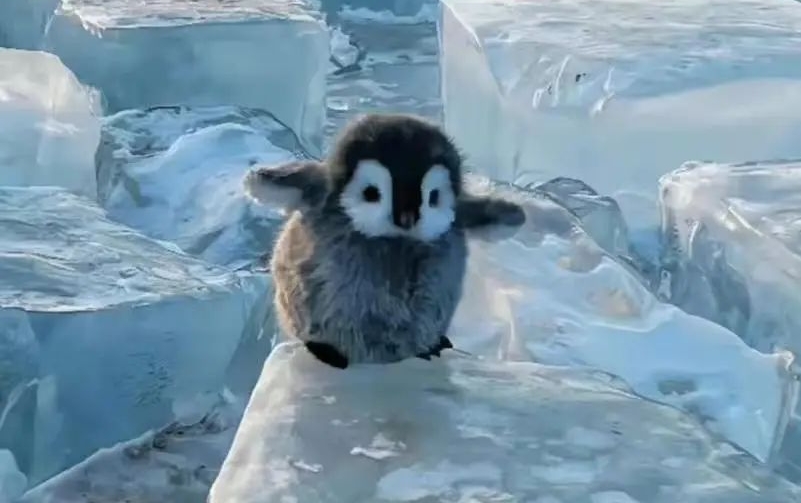
The charm of emperor penguins reaches new heights when it comes to their chicks. Covered in soft, gray down, the young penguins boast round, plump bodies that contrast beautifully with their white - faced visages and short black beaks. Resembling living, waddling stuffed toys, these chicks are a sight to behold, especially when huddled closely on their parents' feet, seeking warmth in the biting Antarctic cold.


Beyond their adorable appearance, emperor penguins exhibit remarkable resilience and parenting skills. During the brutal Antarctic winter, male penguins endure months of freezing temperatures and storms while incubating the eggs on their feet. Female penguins, meanwhile, undertake long journeys to hunt for food. This dedication to their offspring, combined with their majestic presence and endearing chicks, makes emperor penguins not only icons of the Antarctic but also captivating subjects of study for wildlife enthusiasts and researchers alike.

Latest Stories
Feline News2 minute readThe Kurilian Bobtail Longhair, a captivating breed hailing from Russia’s Sakhalin Island and the Kuril Archipelago, has emerged as a fascinating subject in the international feline community. With its distinctive bobbed tail and striking appearance, this natural breed is garnering recognition for its unique history, robust health, and affectionate demeanor.
Life News2 minute readOn the streets and alleys of Italy, gelato is more than just a refreshing dessert; it is a vivid embodiment of the country's culinary philosophy. Compared to the common American ice cream, this Italian classic has become an irreplaceable culinary symbol in the hearts of food lovers worldwide, thanks to its unique craftsmanship and texture.
Feline News2 minute readIn 1982, a bald kitten with an unusual genetic mutation emerged in a barn on an Oregon cherry farm, marking the accidental birth of one of the world’s most distinctive feline breeds—the LaPerm. This curly-coated wonder, named for its "wavy" or "rippled" fur, has since captivated cat lovers globally with its unique appearance and playful personality .
Feline News1 minute readThe Brazilian Shorthair, a distinctive feline breed native to Brazil, has captivated cat enthusiasts with its charming personality and adaptable nature. Originating from the country's street cats, the breed was formally recognized in the 1980s after decades of selective breeding to preserve its unique traits.
Feline News1 minute readIn recent days, a cat named Marguerite has quietly risen to fame in a suburban community. The 3-year-old orange-and-white feline, once a street stray, has now become a "heartwarming bond" connecting neighbors.
Feline News2 minute readOriginating from the city of Rostov-on-Don in Russia, the Donskoy cat, also known as the Don Sphynx, has captivated feline enthusiasts worldwide with its unique appearance and affectionate demeanor. First discovered in 1987 when Professor Elena Kovaleva rescued a hairless kitten named Varvara, the breed emerged from a natural genetic mutation that resulted in a lack of fur. Varvara’s subsequent litters produced both haired and hairless kittens, leading breeder Irina Nemykina to develop the Donskoy through selective breeding with European Shorthairs. Recognized by The International Cat Associat
Feline News2 minute readThe Nebelung, a captivating feline often mistaken for the Russian Blue, is a rare breed celebrated for its striking appearance and gentle demeanor. Originating in the U.S. during the 1980s, this breed emerged from intentional crossbreeding to replicate the elegance of Victorian-era long-haired blue cats. Named after the German word "nebel" (meaning "mist"), the Nebelung’s silvery-tipped blue-gray coat evokes a misty aura, while its green or yellow-green eyes add to its enigmatic charm.