The Enigmatic Himalayan Blue Poppy: A High - Altitude Marvel


Plant Information
The Enigmatic Himalayan Blue Poppy: A High - Altitude Marvel

The Himalayan Blue Poppy, scientifically known as Meconopsis, is a captivating flower that has long fascinated botanists and nature enthusiasts alike. Native to the Himalayan region, this plant is a symbol of the harsh yet beautiful landscapes of high - altitude areas.

A Stunning Display of Color and Form

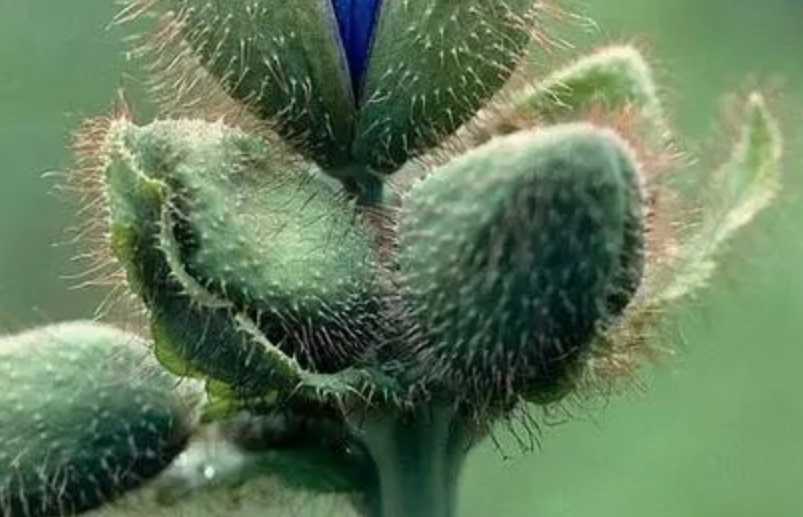
The Himalayan Blue Poppy is renowned for its vivid blue petals, which range from a deep, royal blue to a more delicate, sky - blue shade. The large, cup - shaped flowers, often with a diameter of up to 10 centimeters, feature multiple layers of petals that give them a full and elegant appearance. Standing out against the blue petals are the bright orange stamens in the center, creating a striking color contrast. The plant itself can grow up to 1.2 meters tall, with a single stem supporting one or more of these magnificent blooms. Its leaves are large, lobed, and covered in fine hairs, adding to its overall charm.

Thriving in Extreme Conditions

This remarkable flower has adapted to survive in some of the most challenging environments on Earth. It thrives in the high - altitude regions of the Himalayas, typically at elevations between 3000 and 5000 meters. Here, it endures cold temperatures, strong winds, and a short growing season. The plant's hairy leaves help to insulate it from the cold, while its deep - rooted system allows it to access water and nutrients from the thin, rocky soil. Despite these adaptations, the Himalayan Blue Poppy is not an easy plant to cultivate outside of its natural habitat. It requires specific conditions, including well - drained, acidic soil and a cool, moist climate.

Cultural and Ecological Significance

In Tibetan and Bhutanese cultures, the Himalayan Blue Poppy holds great significance. In Tibetan Buddhism, it is considered a sacred flower, symbolizing the divine wisdom of compassion. It has also been a common motif in Bhutanese artwork and architecture. Ecologically, the flower plays an important role in its native ecosystem. It provides nectar for pollinators such as bees and butterflies, and its presence helps to support the overall biodiversity of the high - altitude regions. However, like many plants in the Himalayas, the Himalayan Blue Poppy is facing threats due to climate change, habitat destruction, and over - collection. Conservation efforts are crucial to ensure the survival of this beautiful and culturally important flower for future generations to admire.
Latest Stories
Feline News2 minute readThe Kurilian Bobtail Longhair, a captivating breed hailing from Russia’s Sakhalin Island and the Kuril Archipelago, has emerged as a fascinating subject in the international feline community. With its distinctive bobbed tail and striking appearance, this natural breed is garnering recognition for its unique history, robust health, and affectionate demeanor.
Life News2 minute readOn the streets and alleys of Italy, gelato is more than just a refreshing dessert; it is a vivid embodiment of the country's culinary philosophy. Compared to the common American ice cream, this Italian classic has become an irreplaceable culinary symbol in the hearts of food lovers worldwide, thanks to its unique craftsmanship and texture.
Feline News2 minute readIn 1982, a bald kitten with an unusual genetic mutation emerged in a barn on an Oregon cherry farm, marking the accidental birth of one of the world’s most distinctive feline breeds—the LaPerm. This curly-coated wonder, named for its "wavy" or "rippled" fur, has since captivated cat lovers globally with its unique appearance and playful personality .
Feline News1 minute readThe Brazilian Shorthair, a distinctive feline breed native to Brazil, has captivated cat enthusiasts with its charming personality and adaptable nature. Originating from the country's street cats, the breed was formally recognized in the 1980s after decades of selective breeding to preserve its unique traits.
Feline News1 minute readIn recent days, a cat named Marguerite has quietly risen to fame in a suburban community. The 3-year-old orange-and-white feline, once a street stray, has now become a "heartwarming bond" connecting neighbors.
Feline News2 minute readOriginating from the city of Rostov-on-Don in Russia, the Donskoy cat, also known as the Don Sphynx, has captivated feline enthusiasts worldwide with its unique appearance and affectionate demeanor. First discovered in 1987 when Professor Elena Kovaleva rescued a hairless kitten named Varvara, the breed emerged from a natural genetic mutation that resulted in a lack of fur. Varvara’s subsequent litters produced both haired and hairless kittens, leading breeder Irina Nemykina to develop the Donskoy through selective breeding with European Shorthairs. Recognized by The International Cat Associat
Feline News2 minute readThe Nebelung, a captivating feline often mistaken for the Russian Blue, is a rare breed celebrated for its striking appearance and gentle demeanor. Originating in the U.S. during the 1980s, this breed emerged from intentional crossbreeding to replicate the elegance of Victorian-era long-haired blue cats. Named after the German word "nebel" (meaning "mist"), the Nebelung’s silvery-tipped blue-gray coat evokes a misty aura, while its green or yellow-green eyes add to its enigmatic charm.