The Dapper "Gentlemen" of the Antarctic: Chinstrap Penguins


Marine Biology
The Dapper "Gentlemen" of the Antarctic: Chinstrap Penguins

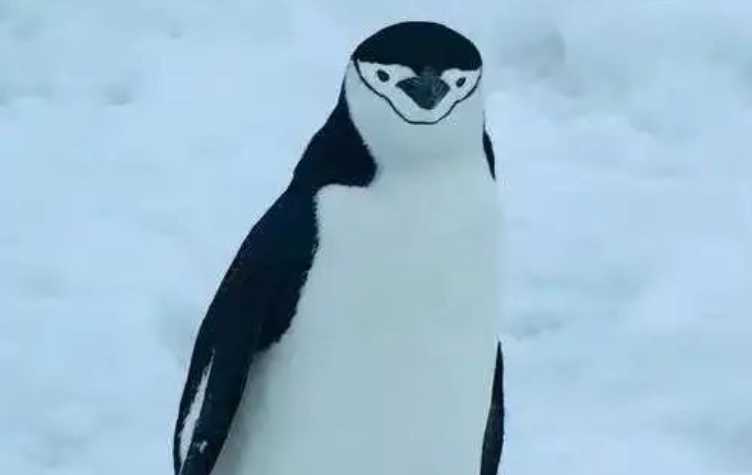
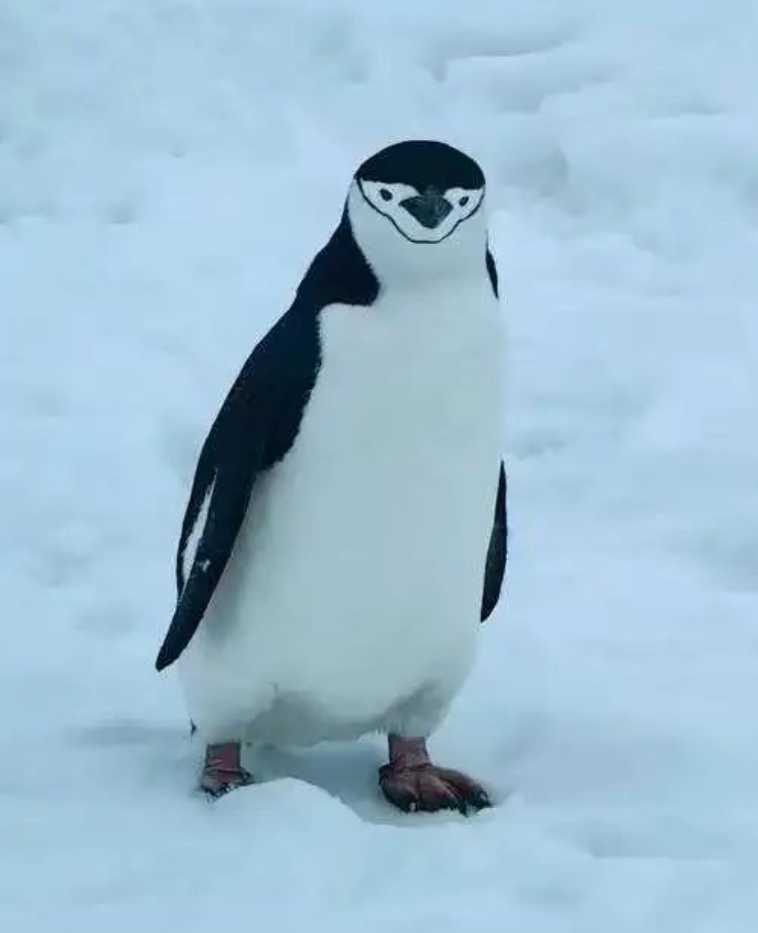
Inhabiting the windswept islands surrounding Antarctica, chinstrap penguins (Pygoscelis antarctica) are small yet striking birds perfectly adapted to life in the harsh southern polar region. Standing about 70 centimeters tall, these penguins thrive on a diet of krill and small fish, navigating icy waters and rocky shores with equal ease. Their distinctive appearance makes them one of the most recognizable species in the Antarctic ecosystem.
 

Source: Images from the Internet, if there is any infringement, please contact the removal of


True to their name, chinstrap penguins are distinguished by a thin, bold black stripe that wraps around their heads like a soldier’s helmet strap, contrasting sharply with their snow-white faces and chests. Their sleek, tuxedo-like plumage—black on the back and white on the front—gives them an air of formal elegance, as if they’re perpetually dressed for a grand occasion. When waddling across ice or rock, their upright posture and side-to-side sway, often with flippers tucked like arms in pockets, evoke the charming image of tiny gentlemen on a leisurely stroll.


Despite their dashing appearance, chinstrap penguins face the challenges of extreme cold, strong winds, and fierce competition for food. They nest in large colonies, using stones to build simple shelters and protect their eggs from the elements. Their loud, raucous calls and communal behaviors highlight their social nature, while their ability to dive deep into frigid waters showcases their remarkable survival skills. As climate change threatens their icy habitats, these " Antarctic gentlemen" serve as a reminder of the fragile beauty of polar ecosystems and the urgent need to protect the unique species that call them home. Whether swimming in synchronized groups or standing sentinel on snow-covered cliffs, chinstrap penguins embody the resilience and grace of life at the ends of the Earth.

Latest Stories
Feline News2 minute readThe Kurilian Bobtail Longhair, a captivating breed hailing from Russia’s Sakhalin Island and the Kuril Archipelago, has emerged as a fascinating subject in the international feline community. With its distinctive bobbed tail and striking appearance, this natural breed is garnering recognition for its unique history, robust health, and affectionate demeanor.
Life News2 minute readOn the streets and alleys of Italy, gelato is more than just a refreshing dessert; it is a vivid embodiment of the country's culinary philosophy. Compared to the common American ice cream, this Italian classic has become an irreplaceable culinary symbol in the hearts of food lovers worldwide, thanks to its unique craftsmanship and texture.
Feline News2 minute readIn 1982, a bald kitten with an unusual genetic mutation emerged in a barn on an Oregon cherry farm, marking the accidental birth of one of the world’s most distinctive feline breeds—the LaPerm. This curly-coated wonder, named for its "wavy" or "rippled" fur, has since captivated cat lovers globally with its unique appearance and playful personality .
Feline News1 minute readThe Brazilian Shorthair, a distinctive feline breed native to Brazil, has captivated cat enthusiasts with its charming personality and adaptable nature. Originating from the country's street cats, the breed was formally recognized in the 1980s after decades of selective breeding to preserve its unique traits.
Feline News1 minute readIn recent days, a cat named Marguerite has quietly risen to fame in a suburban community. The 3-year-old orange-and-white feline, once a street stray, has now become a "heartwarming bond" connecting neighbors.
Feline News2 minute readOriginating from the city of Rostov-on-Don in Russia, the Donskoy cat, also known as the Don Sphynx, has captivated feline enthusiasts worldwide with its unique appearance and affectionate demeanor. First discovered in 1987 when Professor Elena Kovaleva rescued a hairless kitten named Varvara, the breed emerged from a natural genetic mutation that resulted in a lack of fur. Varvara’s subsequent litters produced both haired and hairless kittens, leading breeder Irina Nemykina to develop the Donskoy through selective breeding with European Shorthairs. Recognized by The International Cat Associat
Feline News2 minute readThe Nebelung, a captivating feline often mistaken for the Russian Blue, is a rare breed celebrated for its striking appearance and gentle demeanor. Originating in the U.S. during the 1980s, this breed emerged from intentional crossbreeding to replicate the elegance of Victorian-era long-haired blue cats. Named after the German word "nebel" (meaning "mist"), the Nebelung’s silvery-tipped blue-gray coat evokes a misty aura, while its green or yellow-green eyes add to its enigmatic charm.