The Charming Primula: A Delightful Bloomer of the Plant World


Plant Information
The Charming Primula: A Delightful Bloomer of the Plant World

The Primula, a genus of charming flowering plants, has long captured the hearts of gardeners and nature enthusiasts alike. With a wide distribution across the Northern Hemisphere, including regions in Asia, Europe, and North America, these plants bring a touch of elegance to various landscapes.

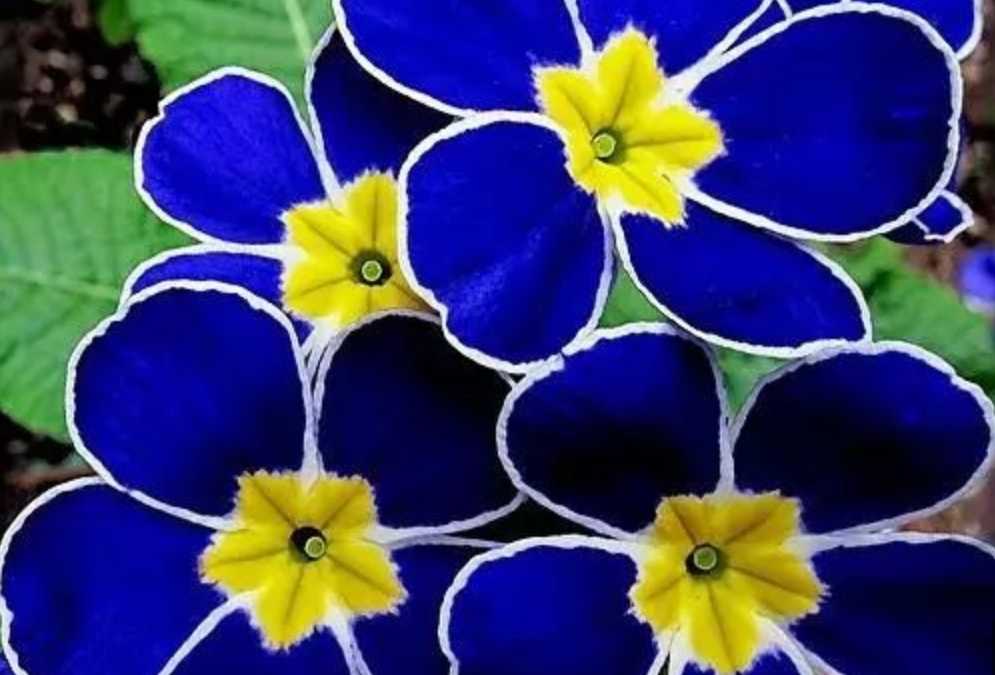
Primulas are known for their diverse and attractive flowers. They come in a wide range of colors, from soft pastels like pink, white, and yellow to more vibrant hues such as purple and red. The flower clusters, which can be in the form of umbels or racemes, are often held above a rosette of basal leaves. Each individual flower typically has a distinct shape, with a corolla that may be flat or tubular, and often features intricate patterns or markings. The foliage of Primulas is also quite appealing, with leaves that are usually textured and can vary in shape from rounded to lanceolate.


In terms of habitat, Primulas have adapted to a variety of environments. Some species thrive in moist woodlands, taking advantage of the shaded and humid conditions. They can be found growing among decaying leaves and under the canopy of trees, where they add a pop of color to the forest floor. Others prefer alpine meadows, braving cooler temperatures and well - drained, rocky soils. These alpine Primulas are often smaller in size but make up for it with their hardiness and the intensity of their blooms. In cultivation, Primulas are relatively easy to grow in gardens with the right conditions. They prefer well - drained soil that is rich in organic matter. Depending on the species, they may require partial shade to full sun, but most benefit from some protection from the hottest afternoon sun. With proper care, Primulas can reward gardeners with a beautiful display of flowers, brightening up borders, rockeries, or containers. Their presence not only adds aesthetic value but also attracts pollinators like bees and butterflies, contributing to a healthy and vibrant ecosystem.
Latest Stories
Feline News2 minute readThe Kurilian Bobtail Longhair, a captivating breed hailing from Russia’s Sakhalin Island and the Kuril Archipelago, has emerged as a fascinating subject in the international feline community. With its distinctive bobbed tail and striking appearance, this natural breed is garnering recognition for its unique history, robust health, and affectionate demeanor.
Life News2 minute readOn the streets and alleys of Italy, gelato is more than just a refreshing dessert; it is a vivid embodiment of the country's culinary philosophy. Compared to the common American ice cream, this Italian classic has become an irreplaceable culinary symbol in the hearts of food lovers worldwide, thanks to its unique craftsmanship and texture.
Feline News2 minute readIn 1982, a bald kitten with an unusual genetic mutation emerged in a barn on an Oregon cherry farm, marking the accidental birth of one of the world’s most distinctive feline breeds—the LaPerm. This curly-coated wonder, named for its "wavy" or "rippled" fur, has since captivated cat lovers globally with its unique appearance and playful personality .
Feline News1 minute readThe Brazilian Shorthair, a distinctive feline breed native to Brazil, has captivated cat enthusiasts with its charming personality and adaptable nature. Originating from the country's street cats, the breed was formally recognized in the 1980s after decades of selective breeding to preserve its unique traits.
Feline News1 minute readIn recent days, a cat named Marguerite has quietly risen to fame in a suburban community. The 3-year-old orange-and-white feline, once a street stray, has now become a "heartwarming bond" connecting neighbors.
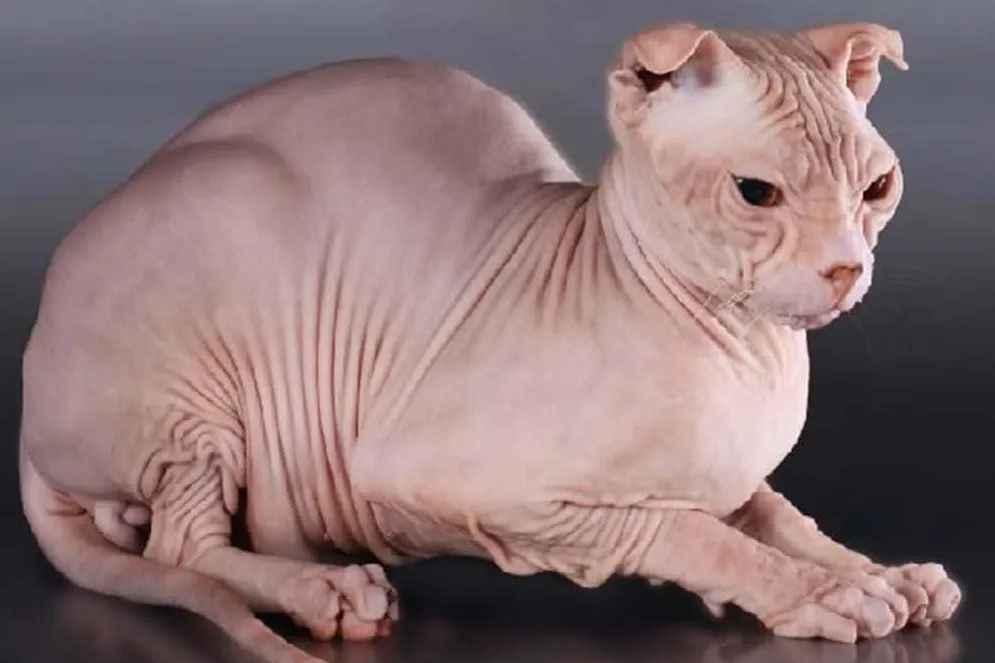
Feline News2 minute readOriginating from the city of Rostov-on-Don in Russia, the Donskoy cat, also known as the Don Sphynx, has captivated feline enthusiasts worldwide with its unique appearance and affectionate demeanor. First discovered in 1987 when Professor Elena Kovaleva rescued a hairless kitten named Varvara, the breed emerged from a natural genetic mutation that resulted in a lack of fur. Varvara’s subsequent litters produced both haired and hairless kittens, leading breeder Irina Nemykina to develop the Donskoy through selective breeding with European Shorthairs. Recognized by The International Cat Associat
Feline News2 minute readThe Nebelung, a captivating feline often mistaken for the Russian Blue, is a rare breed celebrated for its striking appearance and gentle demeanor. Originating in the U.S. during the 1980s, this breed emerged from intentional crossbreeding to replicate the elegance of Victorian-era long-haired blue cats. Named after the German word "nebel" (meaning "mist"), the Nebelung’s silvery-tipped blue-gray coat evokes a misty aura, while its green or yellow-green eyes add to its enigmatic charm.