In Singapore, the richness and variety of cuisine are truly astonishing. Here, not only are there globally renowned high-end dining brands, but also local food stalls filled with a lively atmosphere, perfectly demonstrating the seamless integration of traditional and modern, as well as Eastern and Western food cultures.
7-Eleven convenience stores can be found on almost every street in Singapore. For those who can't get up early in the morning, the bread bought from the convenience store the night before becomes the breakfast choice. Since I'm not particularly fond of the combination of milk and bread, I always go out to enjoy delicious food at noon and in the evening.
The food courts in Singapore are my favorite places to visit. They are somewhat similar to the food plazas in domestic shopping malls, but they are less commercialized and localized. Instead, they are full of rich local characteristics and a bustling street atmosphere.
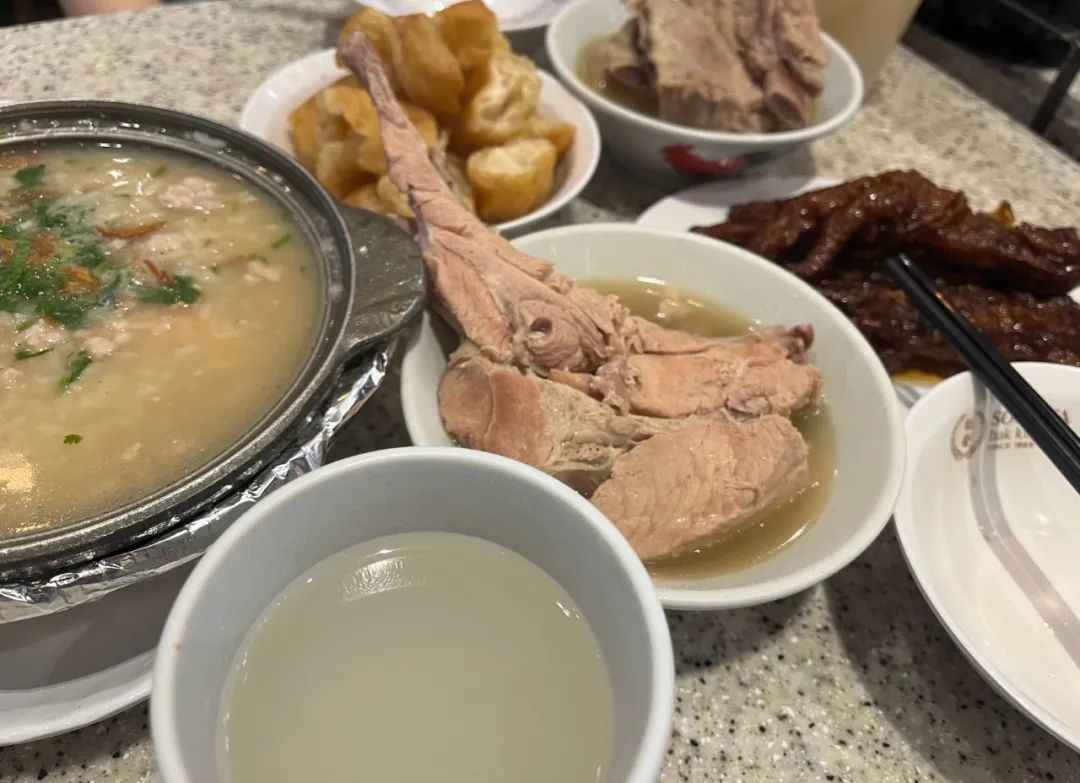
Chinese people account for 74% of Singapore's population, and their food culture dominates in Singapore. It has also been constantly innovating through interactions with other ethnic groups. Bak Kut Teh is a dish brought to Nanyang by Fujian immigrants. It reflects the traditional Chinese medical concept of "medicine and food sharing the same origin." At the same time, Malay medicinal herbs have been added, giving it more Nanyang characteristics.
Source: Images from the Internet, if there is any infringement, please contact the removal of
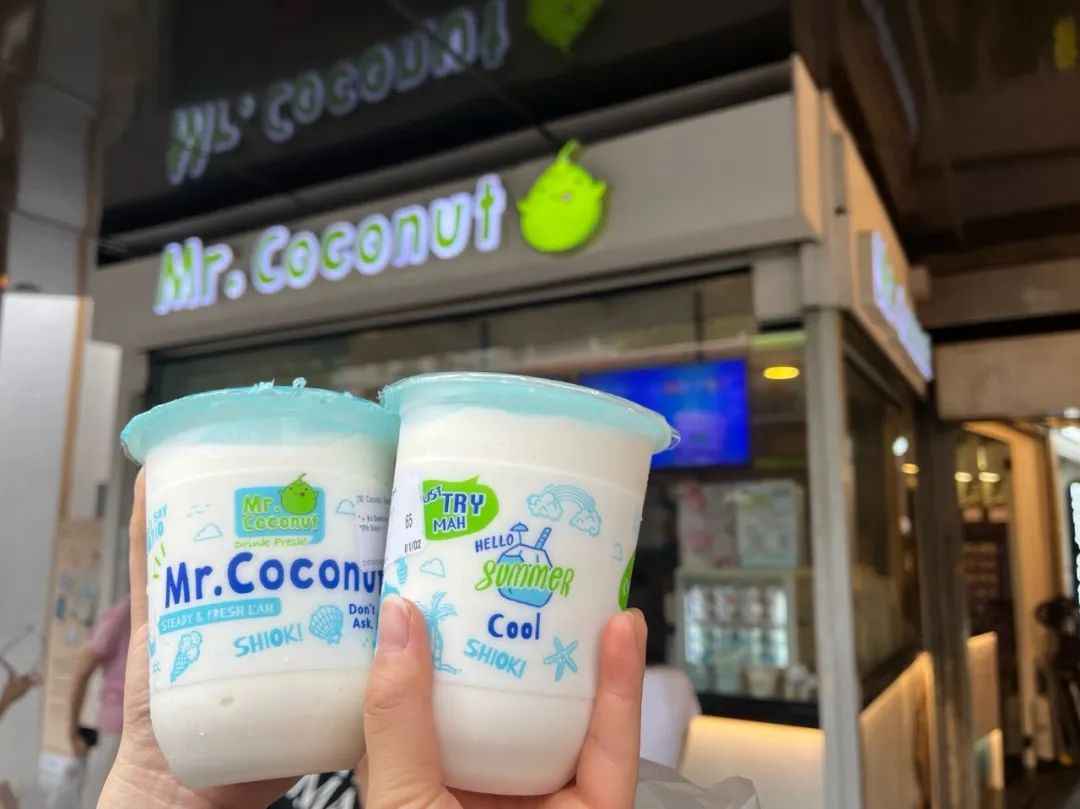
This is a national tea drink in Singapore with numerous stores. Its status in Singapore can be seen from the fact that the store on Bugis Street is adjacent to Mixue Ice Cream & Tea. It's a must-buy drink when passing by.
Source: Images from the Internet, if there is any infringement, please contact the removal of
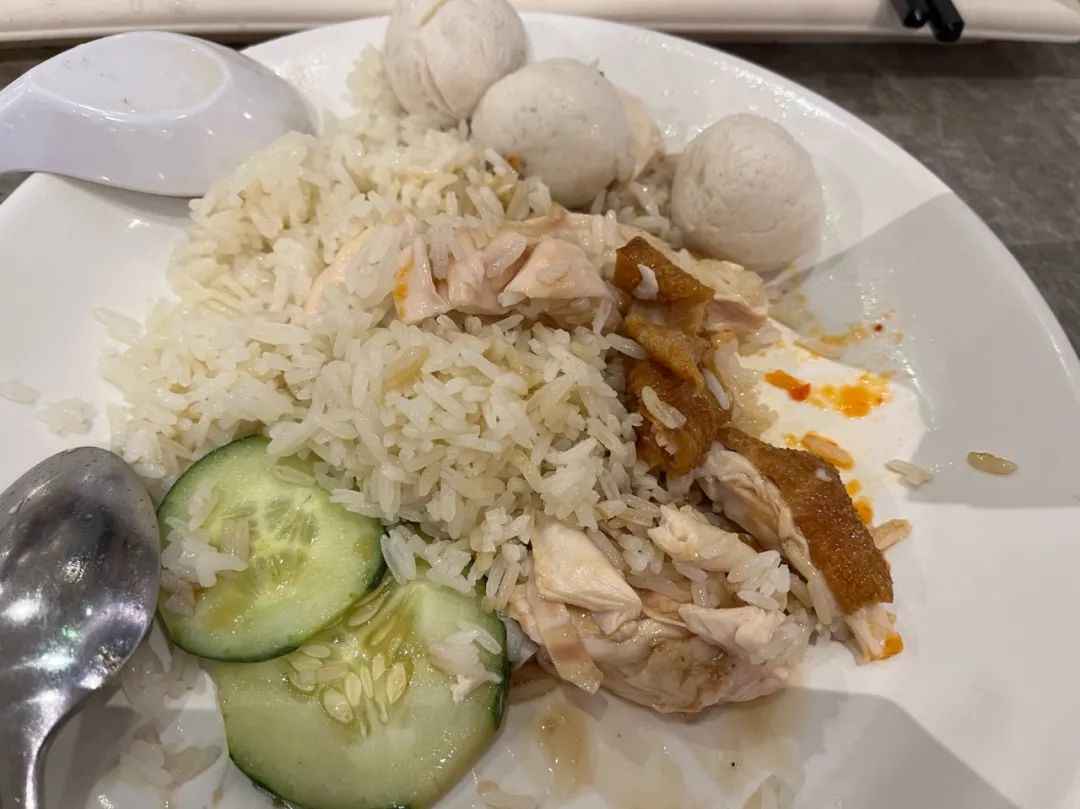
Hainanese chicken rice is a delicacy brought to Singapore by Hainanese immigrants from China. The chicken bones are used to make soup, the chicken oil is used to cook rice, and the chicken is sliced and sold. Every part of the chicken is fully utilized. To adapt to local tastes, improvements have been made to the traditional recipe. For example, tropical spices like lemongrass and pandan leaves are used to cook the chicken, and the sauce in the store is truly excellent.
Source: Images from the Internet, if there is any infringement, please contact the removal of
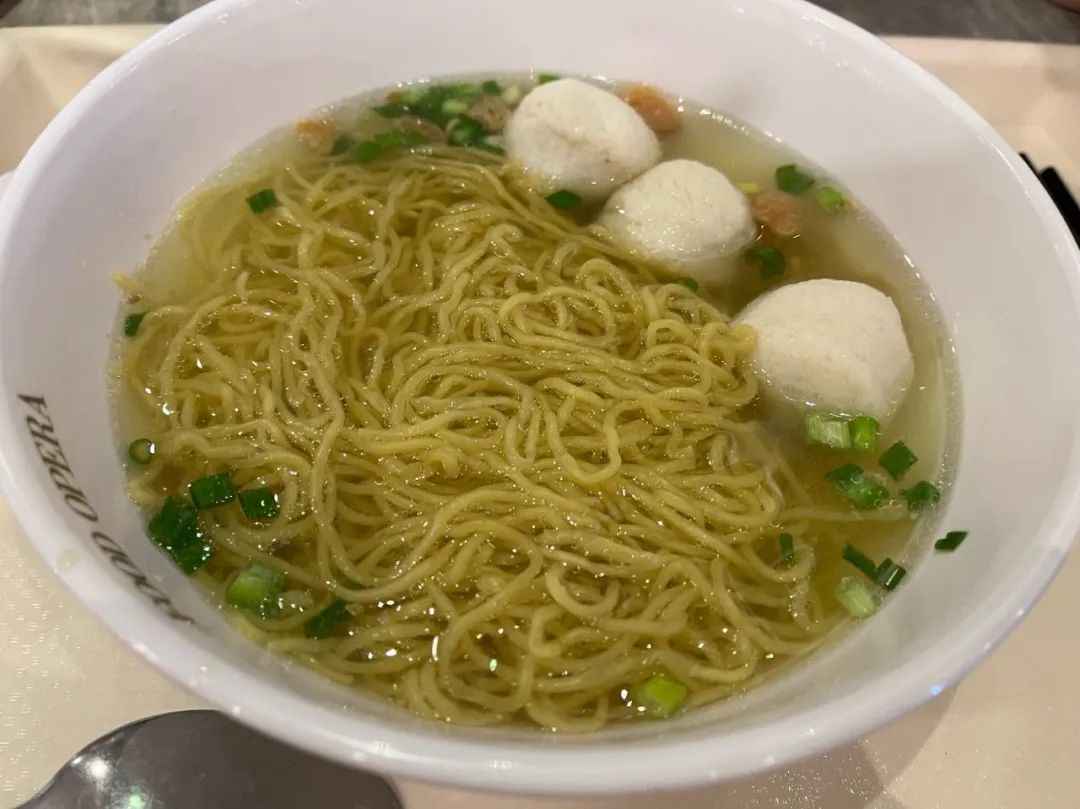
This is a dish brought to Singapore by Teochew immigrants from China. The Singaporean version of fish ball noodles has added white pepper and fried shallots, making it more suitable for the tropical climate and local tastes.
Source: Images from the Internet, if there is any infringement, please contact the removal of
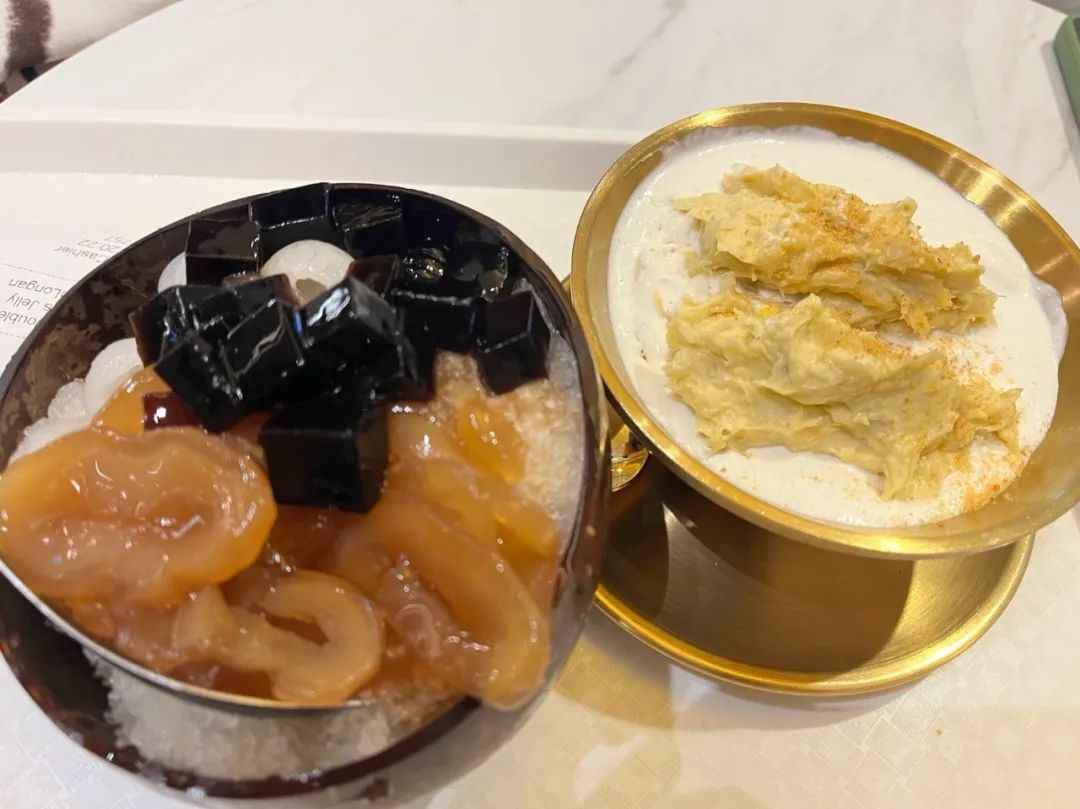
I'm a huge fan of durian, but in some places in Singapore, carrying durian is not allowed. I observed on the subway for two days and indeed, no one was carrying durian. So, I could only go to dessert shops to taste durian desserts. The Double Durian Delight is very popular on Instagram and TikTok. The Musang King durian used in it has a dense and creamy texture with a rich flavor. Some desserts also add cendol, a specialty of Southeast Asia. The preparation and consumption of cendol combine the characteristics of Malay, Chinese, and Indian cultures. For example, the use of coconut milk and palm sugar reflects Malay flavors, while the production of the green rice noodles draws on the Chinese rice noodle-making skills. The 99 Old Tree Durian recommended online is also very good.
Source: Images from the Internet, if there is any infringement, please contact the removal of
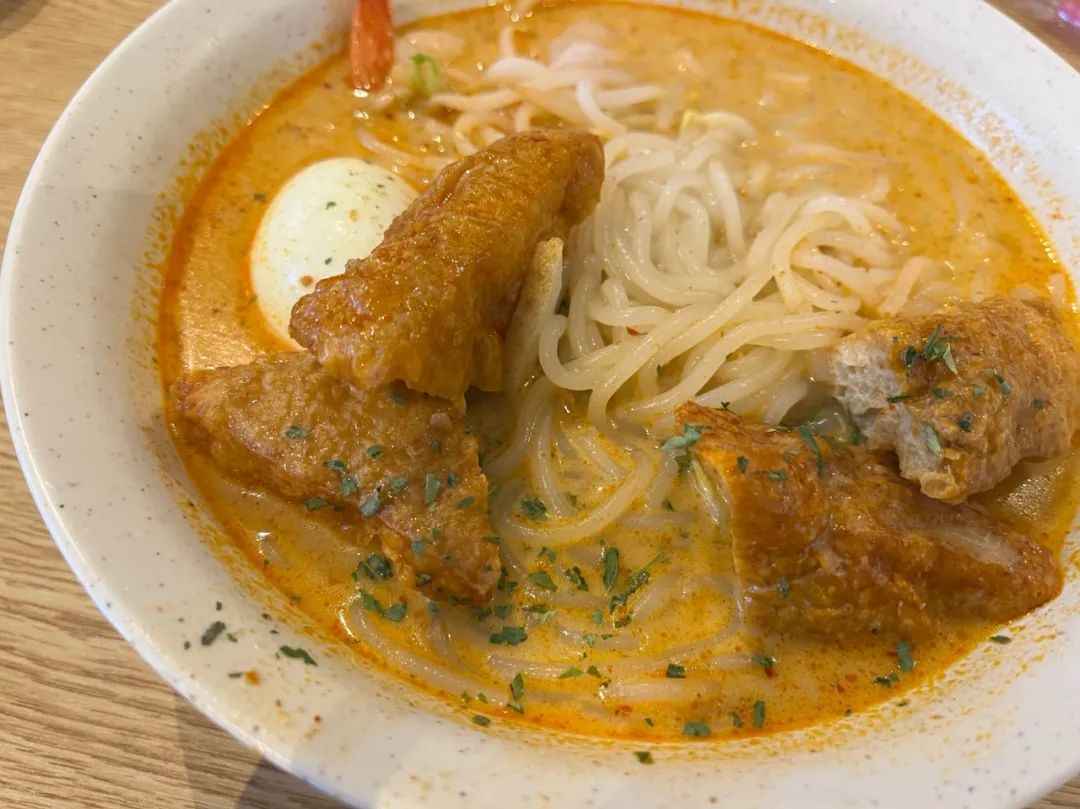
Laksa originated from the Nyonya culture in Southeast Asia and is a product of the combination of Chinese immigrant culture and Malay culture. Laksa uses ingredients such as coconut milk, shrimp paste, lemongrass, and laksa leaves, perfectly integrating Chinese cooking techniques with Malay spices. Kueh Tutu wrapped in banana leaves is also a delicacy bred by the Nyonya culture.
Source: Images from the Internet, if there is any infringement, please contact the removal of
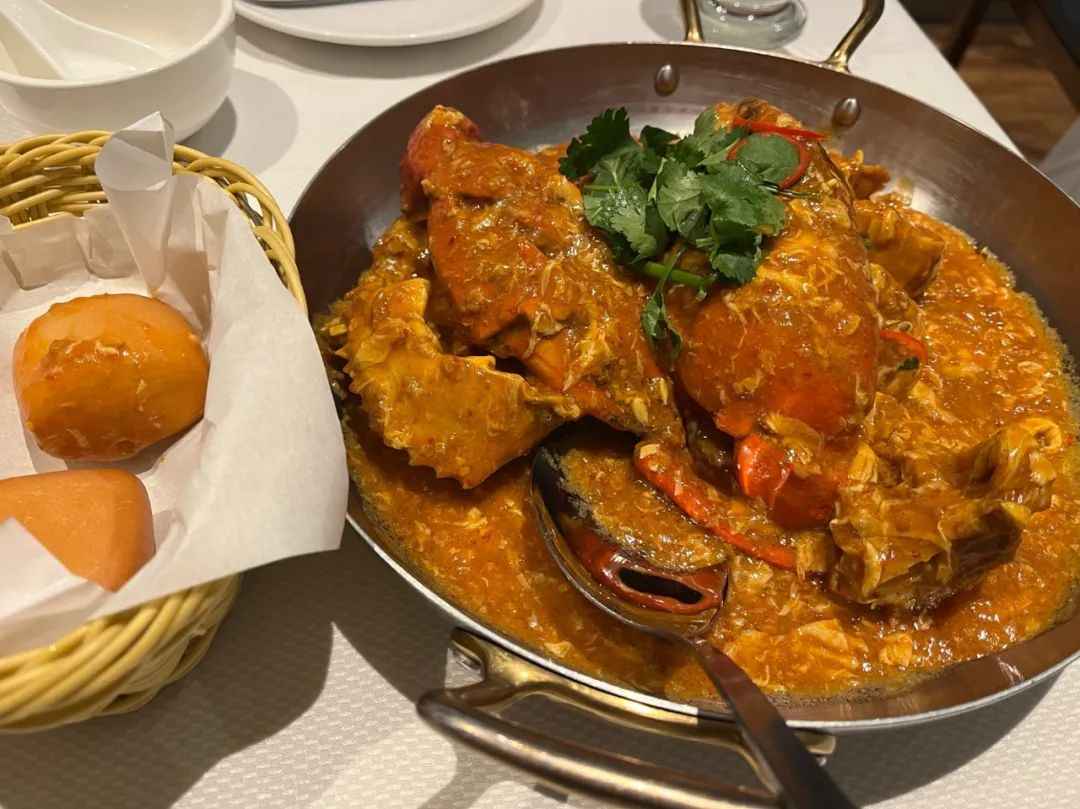
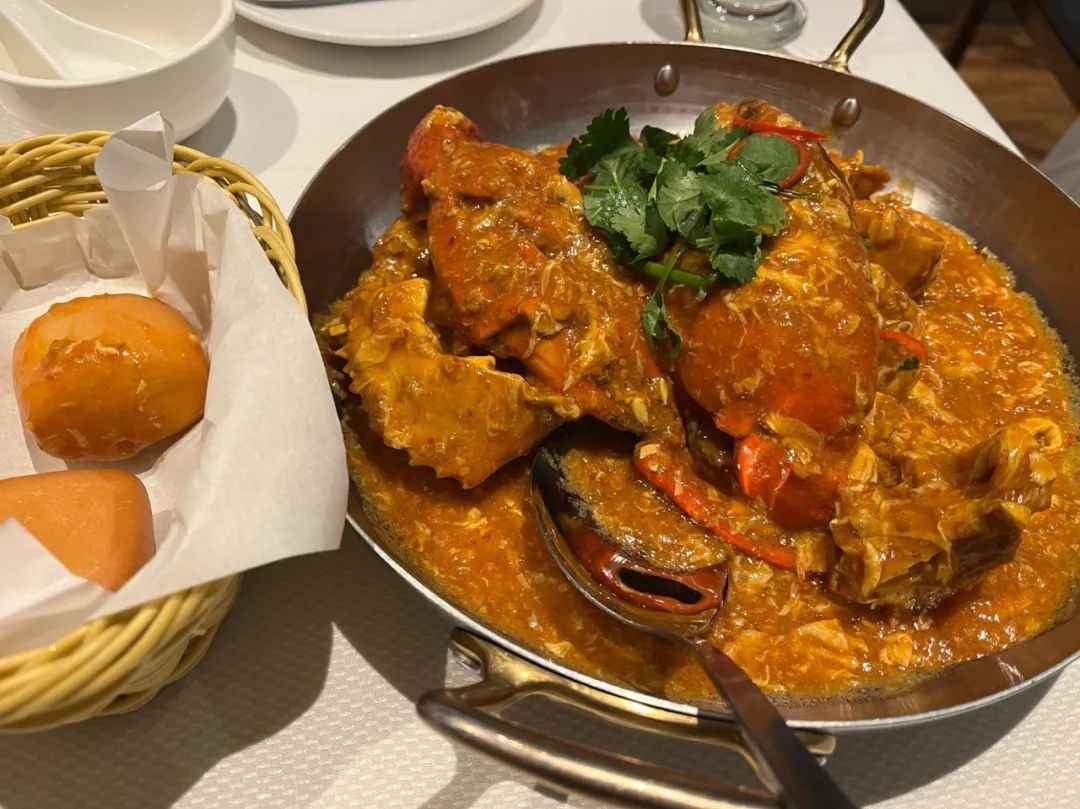
Its signature dish, Chili Crab, is a symbol of Singapore's food culture and is known as the "national dish." This dish is sweet, sour, and slightly spicy, with tender crab meat. There is also a Jumbo Seafood restaurant near Universal Beijing Resort's City 大道.
Source: Images from the Internet, if there is any infringement, please contact the removal of
Like Ya Kun, Killiney Kaya Toast is a national breakfast in Singapore. But for someone like me who doesn't like bread and milk, I'm not particularly fond of it.
In Chinatown, I tasted Mapo Tofu, and downstairs of the hotel, I had Zhang Liang Malatang. The food courts scattered throughout Singapore are a microcosm of its diverse social structure. The price of a plate of Hainanese chicken rice contains the frugality of the Chinese, the warmth of the Malays, the spiciness of the Indians, and the delicacy of the Nyonya culture, becoming a gustatory metaphor for Singapore's social integration.
The history of the evolution of Singapore's cuisine is also a condensed history of immigration. I wrote this article while studying population migration in Senior High School Geography Compulsory 2, and it seems very appropriate.