Rare White Giraffes Spotted in Kenyan Conservancy: A Glimpse of Nature’s Ethereal Marvel


Animal Information
Rare White Giraffes Spotted in Kenyan Conservancy: A Glimpse of Nature’s Ethereal Marvel

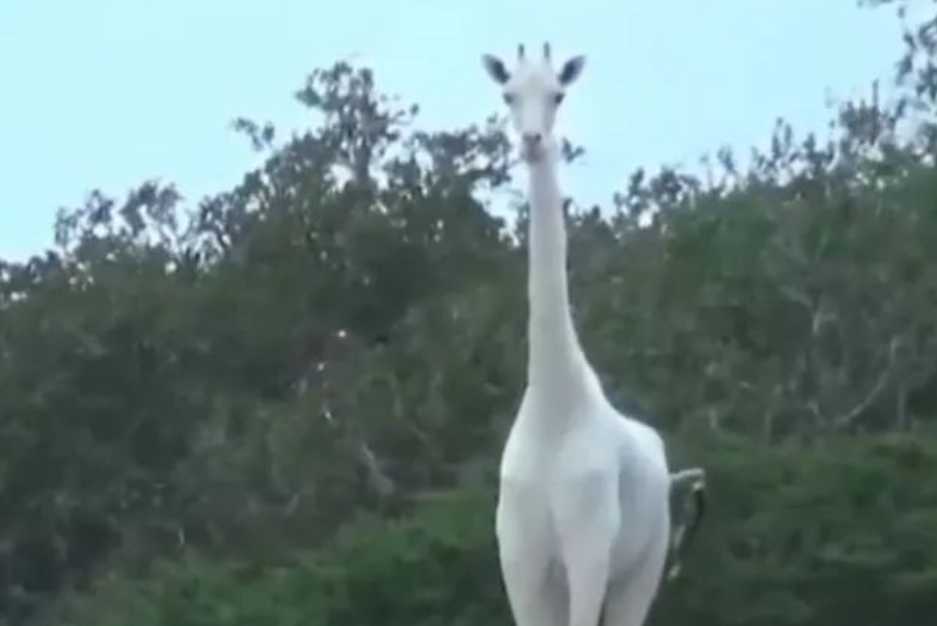
In a stunning wildlife encounter, conservationists and visitors to Kenya’s Ishaqbini Hirola Conservancy have recently witnessed the rare sight of white giraffes roaming the arid landscapes. These majestic creatures, believed to suffer from leucism—a condition causing partial loss of skin pigmentation—stand out against the golden savannah with their snow-white hides, a stark contrast to the typical tan - spotted coat of their peers.


Genetic Anomaly vs. Albino: Understanding the Difference

Unlike albinos, which lack all melanin and exhibit pink eyes, leucistic giraffes retain normal eye color and may have patches of pigmented skin. The condition is caused by a recessive gene that affects melanocyte development, resulting in the pale - colored fur. In 2020, the conservancy mourned the loss of three white giraffes to poaching, highlighting the vulnerability of these rare animals. However, recent sightings of a mother and calf pair have renewed hope for the population, with researchers closely monitoring their behavior and health.

Conservation Challenges and Cultural Significance

Kenya’s white giraffes face dual threats: poaching for their perceived rarity and habitat loss due to climate change. Local communities, however, have embraced the creatures as cultural symbols, with some tribes believing they bring good fortune. The Ishaqbini Conservancy has implemented 24/7 patrols and community education programs to protect the giraffes, while scientists study their genetics to inform conservation strategies. As climate shifts alter migration patterns, preserving these unique individuals has become a rallying cry for global wildlife advocates, who see them as a living testament to nature’s fragile diversity.


"Each sighting is a reminder of the magic hidden in Kenya’s wild spaces," says conservancy director Abdullahi Hado. "Protecting these giraffes isn’t just about genetics—it’s about safeguarding a symbol of hope for our ecosystems."

Latest Stories
Feline News2 minute readThe Kurilian Bobtail Longhair, a captivating breed hailing from Russia’s Sakhalin Island and the Kuril Archipelago, has emerged as a fascinating subject in the international feline community. With its distinctive bobbed tail and striking appearance, this natural breed is garnering recognition for its unique history, robust health, and affectionate demeanor.
Life News2 minute readOn the streets and alleys of Italy, gelato is more than just a refreshing dessert; it is a vivid embodiment of the country's culinary philosophy. Compared to the common American ice cream, this Italian classic has become an irreplaceable culinary symbol in the hearts of food lovers worldwide, thanks to its unique craftsmanship and texture.
Feline News2 minute readIn 1982, a bald kitten with an unusual genetic mutation emerged in a barn on an Oregon cherry farm, marking the accidental birth of one of the world’s most distinctive feline breeds—the LaPerm. This curly-coated wonder, named for its "wavy" or "rippled" fur, has since captivated cat lovers globally with its unique appearance and playful personality .
Feline News1 minute readThe Brazilian Shorthair, a distinctive feline breed native to Brazil, has captivated cat enthusiasts with its charming personality and adaptable nature. Originating from the country's street cats, the breed was formally recognized in the 1980s after decades of selective breeding to preserve its unique traits.
Feline News1 minute readIn recent days, a cat named Marguerite has quietly risen to fame in a suburban community. The 3-year-old orange-and-white feline, once a street stray, has now become a "heartwarming bond" connecting neighbors.
Feline News2 minute readOriginating from the city of Rostov-on-Don in Russia, the Donskoy cat, also known as the Don Sphynx, has captivated feline enthusiasts worldwide with its unique appearance and affectionate demeanor. First discovered in 1987 when Professor Elena Kovaleva rescued a hairless kitten named Varvara, the breed emerged from a natural genetic mutation that resulted in a lack of fur. Varvara’s subsequent litters produced both haired and hairless kittens, leading breeder Irina Nemykina to develop the Donskoy through selective breeding with European Shorthairs. Recognized by The International Cat Associat
Feline News2 minute readThe Nebelung, a captivating feline often mistaken for the Russian Blue, is a rare breed celebrated for its striking appearance and gentle demeanor. Originating in the U.S. during the 1980s, this breed emerged from intentional crossbreeding to replicate the elegance of Victorian-era long-haired blue cats. Named after the German word "nebel" (meaning "mist"), the Nebelung’s silvery-tipped blue-gray coat evokes a misty aura, while its green or yellow-green eyes add to its enigmatic charm.