Rare Three - Filament Thismia Discovered: A Botanical Sensation


Plant Information
Rare Three - Filament Thismia Discovered: A Botanical Sensation

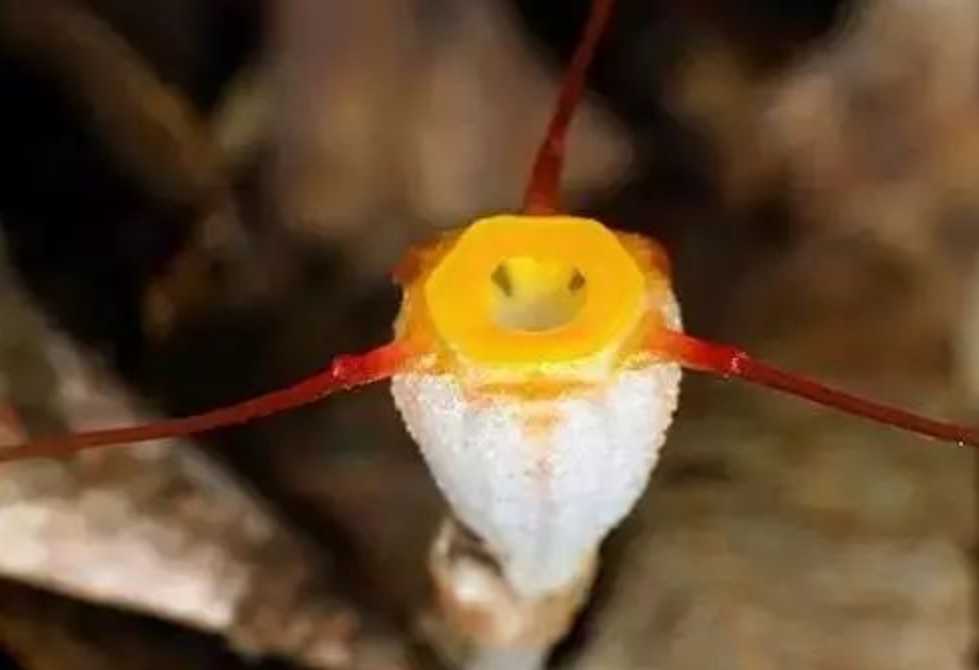
In a significant botanical discovery, the rare Three - Filament Thismia (Thismia tentaculata) has recently come to light, captivating the scientific community and nature enthusiasts alike. This unique plant was first identified in 2007 in Vietnam, and later, in 2008, in Hong Kong. However, its recent appearance in the Hainan Tropical Rainforest National Park in Wuzhishan, China, marks a remarkable expansion of its known range.


The Three - Filament Thismia is an annual saprophytic plant, spending the majority of its life hidden beneath the soil. It is only after heavy rainfall that it emerges briefly to flower and fruit, with its blooming period lasting a mere week. This ephemeral nature, combined with its specific habitat requirements, makes it an elusive find. The plant is characterized by its delicate structure, bearing a resemblance to a tiny, otherworldly cup with three distinct filaments, from which it derives its name.


The total number of Three - Filament Thismia plants discovered so far, across Vietnam and Hong Kong, has been fewer than 50. The recent discovery in Hainan is particularly exciting as it not only adds to our understanding of the plant's distribution but also highlights the rich biodiversity of the region. The Hainan Tropical Rainforest National Park, with its lush ecosystems and unique micro - climates, provides an ideal environment for such rare species to thrive.


This discovery is a testament to the effectiveness of conservation efforts and scientific monitoring. The Hainan Tropical Rainforest National Park Administration's Wuzhishan Branch has been actively engaged in forest resource protection and monitoring. Their initiative of creating a WeChat group for forest rangers to share photos of flora and fauna has proven invaluable. In June 2024, a forest ranger, Wang Jiaren, captured images of the Three - Filament Thismia during his routine patrol. These pictures were then shared in the group, catching the attention of Associate Researcher Zhang Zhe from the Tropical Agriculture and Forestry College of Hainan University, who initially suspected it to be a new record species. After further scientific sampling and morphological identification, the plant was officially confirmed as the Three - Filament Thismia.


As a saprophytic plant, the Three - Filament Thismia plays a unique role in the ecosystem, recycling nutrients from decaying organic matter. Its presence is an indicator of a healthy, undisturbed environment. However, due to its rarity and limited distribution, the species faces potential threats from habitat destruction and climate change. Conservationists and scientists are now focusing on safeguarding its newly - discovered habitat in Hainan, implementing measures to protect this delicate plant and the biodiversity it represents. The discovery of the Three - Filament Thismia serves as a reminder of the countless wonders that nature holds and the importance of continued exploration and conservation in our natural world.

Latest Stories
Feline News2 minute readThe Kurilian Bobtail Longhair, a captivating breed hailing from Russia’s Sakhalin Island and the Kuril Archipelago, has emerged as a fascinating subject in the international feline community. With its distinctive bobbed tail and striking appearance, this natural breed is garnering recognition for its unique history, robust health, and affectionate demeanor.
Life News2 minute readOn the streets and alleys of Italy, gelato is more than just a refreshing dessert; it is a vivid embodiment of the country's culinary philosophy. Compared to the common American ice cream, this Italian classic has become an irreplaceable culinary symbol in the hearts of food lovers worldwide, thanks to its unique craftsmanship and texture.
Feline News2 minute readIn 1982, a bald kitten with an unusual genetic mutation emerged in a barn on an Oregon cherry farm, marking the accidental birth of one of the world’s most distinctive feline breeds—the LaPerm. This curly-coated wonder, named for its "wavy" or "rippled" fur, has since captivated cat lovers globally with its unique appearance and playful personality .
Feline News1 minute readThe Brazilian Shorthair, a distinctive feline breed native to Brazil, has captivated cat enthusiasts with its charming personality and adaptable nature. Originating from the country's street cats, the breed was formally recognized in the 1980s after decades of selective breeding to preserve its unique traits.
Feline News1 minute readIn recent days, a cat named Marguerite has quietly risen to fame in a suburban community. The 3-year-old orange-and-white feline, once a street stray, has now become a "heartwarming bond" connecting neighbors.
Feline News2 minute readOriginating from the city of Rostov-on-Don in Russia, the Donskoy cat, also known as the Don Sphynx, has captivated feline enthusiasts worldwide with its unique appearance and affectionate demeanor. First discovered in 1987 when Professor Elena Kovaleva rescued a hairless kitten named Varvara, the breed emerged from a natural genetic mutation that resulted in a lack of fur. Varvara’s subsequent litters produced both haired and hairless kittens, leading breeder Irina Nemykina to develop the Donskoy through selective breeding with European Shorthairs. Recognized by The International Cat Associat
Feline News2 minute readThe Nebelung, a captivating feline often mistaken for the Russian Blue, is a rare breed celebrated for its striking appearance and gentle demeanor. Originating in the U.S. during the 1980s, this breed emerged from intentional crossbreeding to replicate the elegance of Victorian-era long-haired blue cats. Named after the German word "nebel" (meaning "mist"), the Nebelung’s silvery-tipped blue-gray coat evokes a misty aura, while its green or yellow-green eyes add to its enigmatic charm.