Platycephalus indicus: The Formidable Flathead of Coastal Waters


Marine Biology
Platycephalus indicus: The Formidable Flathead of Coastal Waters

Platycephalus indicus, commonly known as the Indian flathead or by various regional names such as "ox-tail fish" and "braid fish" in northern regions, is a remarkable fish species inhabiting the coastal waters of the Indo-Pacific. Renowned for its unique appearance and a formidable defense mechanism, this fish has earned its place as both a fascinating marine subject and a prized catch for fishermen.


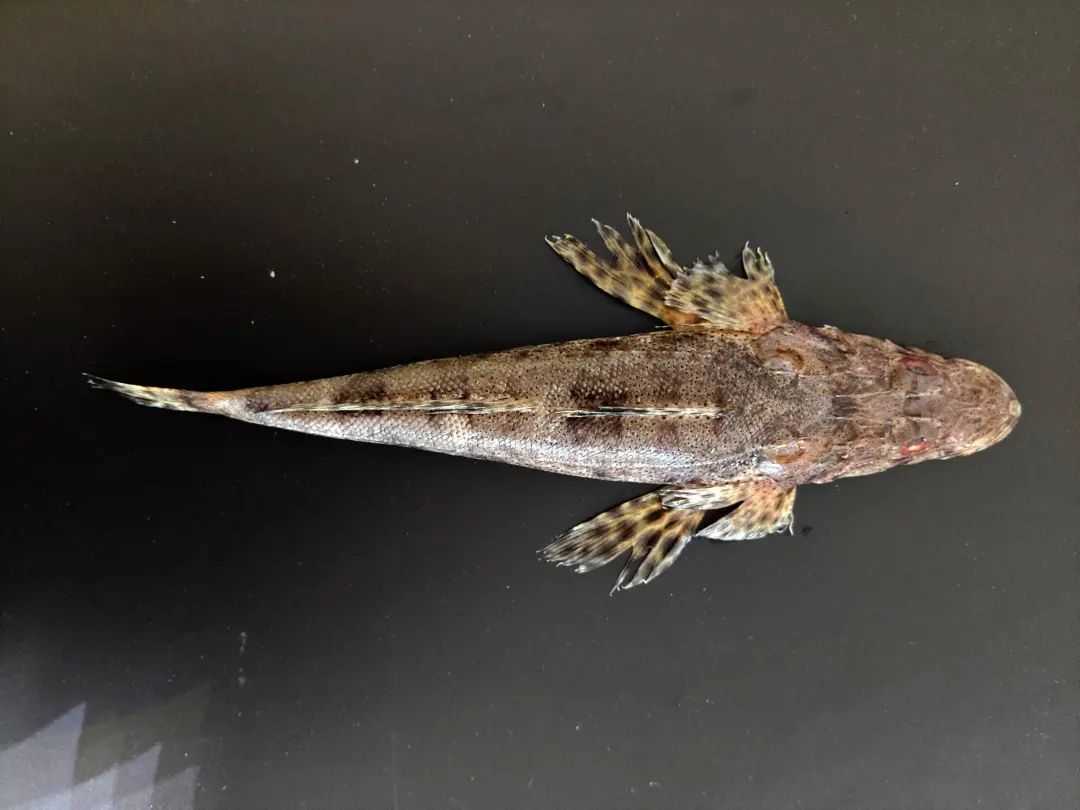
The Indian flathead showcases a robust, elongated body that can grow up to 60 centimeters in length. Its most distinctive feature is the flattened head, broad and angular, equipped with a pair of large, upward-facing eyes that provide excellent vision for spotting prey from below. The body is covered in rough, mottled scales that blend seamlessly with sandy or muddy seabeds, ranging in color from brown to olive with darker patches. But its most fearsome trait lies in the sharp, venomous spine on its dorsal fin. This spine, which can pierce through gloves and skin, serves as a potent defense against predators and accidental encounters with humans, delivering a painful sting.


In its natural habitat, Platycephalus indicus is a bottom-dwelling predator. It lies motionless on the seabed, partially buried in sand or mud, using its camouflage to ambush unsuspecting prey. Its diet mainly consists of small fish, crustaceans, and cephalopods. When potential prey swims overhead, the flathead strikes with lightning speed, opening its wide mouth to engulf the victim. This ambush hunting strategy, combined with its excellent camouflage, makes it a highly efficient predator in shallow coastal waters, estuaries, and bays.


Despite its adaptability, the Indian flathead faces threats from overfishing, as it is highly sought after for its firm, white flesh in seafood markets. Additionally, habitat degradation due to coastal development, pollution, and trawling activities damages the seabed environments it depends on. Conservation measures, including fishing regulations and the protection of critical habitats, are essential to ensure the long-term survival of this unique species. As a vital part of the marine food web, Platycephalus indicus plays a crucial role in maintaining the balance of coastal ecosystems, highlighting the importance of preserving its habitats.
Latest Stories
Feline News2 minute readThe Kurilian Bobtail Longhair, a captivating breed hailing from Russia’s Sakhalin Island and the Kuril Archipelago, has emerged as a fascinating subject in the international feline community. With its distinctive bobbed tail and striking appearance, this natural breed is garnering recognition for its unique history, robust health, and affectionate demeanor.
Life News2 minute readOn the streets and alleys of Italy, gelato is more than just a refreshing dessert; it is a vivid embodiment of the country's culinary philosophy. Compared to the common American ice cream, this Italian classic has become an irreplaceable culinary symbol in the hearts of food lovers worldwide, thanks to its unique craftsmanship and texture.
Feline News2 minute readIn 1982, a bald kitten with an unusual genetic mutation emerged in a barn on an Oregon cherry farm, marking the accidental birth of one of the world’s most distinctive feline breeds—the LaPerm. This curly-coated wonder, named for its "wavy" or "rippled" fur, has since captivated cat lovers globally with its unique appearance and playful personality .
Feline News1 minute readThe Brazilian Shorthair, a distinctive feline breed native to Brazil, has captivated cat enthusiasts with its charming personality and adaptable nature. Originating from the country's street cats, the breed was formally recognized in the 1980s after decades of selective breeding to preserve its unique traits.
Feline News1 minute readIn recent days, a cat named Marguerite has quietly risen to fame in a suburban community. The 3-year-old orange-and-white feline, once a street stray, has now become a "heartwarming bond" connecting neighbors.
Feline News2 minute readOriginating from the city of Rostov-on-Don in Russia, the Donskoy cat, also known as the Don Sphynx, has captivated feline enthusiasts worldwide with its unique appearance and affectionate demeanor. First discovered in 1987 when Professor Elena Kovaleva rescued a hairless kitten named Varvara, the breed emerged from a natural genetic mutation that resulted in a lack of fur. Varvara’s subsequent litters produced both haired and hairless kittens, leading breeder Irina Nemykina to develop the Donskoy through selective breeding with European Shorthairs. Recognized by The International Cat Associat
Feline News2 minute readThe Nebelung, a captivating feline often mistaken for the Russian Blue, is a rare breed celebrated for its striking appearance and gentle demeanor. Originating in the U.S. during the 1980s, this breed emerged from intentional crossbreeding to replicate the elegance of Victorian-era long-haired blue cats. Named after the German word "nebel" (meaning "mist"), the Nebelung’s silvery-tipped blue-gray coat evokes a misty aura, while its green or yellow-green eyes add to its enigmatic charm.