Oriental Longhair: The Graceful Feline with a Rich Heritage and Modern Allure


Feline News
Oriental Longhair: The Graceful Feline with a Rich Heritage and Modern Allure

The Oriental Longhair, a breed celebrated for its elegance and intelligence, traces its roots to mid-20th-century breeding programs aimed at expanding the color and pattern diversity of Siamese cats . Developed through crosses with breeds like Russian Blues and British Shorthairs, these cats gained recognition in the 1970s and were officially acknowledged by The International Cat Association (TICA) in 1979 and the Cat Fanciers' Association (CFA) in 1995 .

Sleek Appearance and Versatile Coat

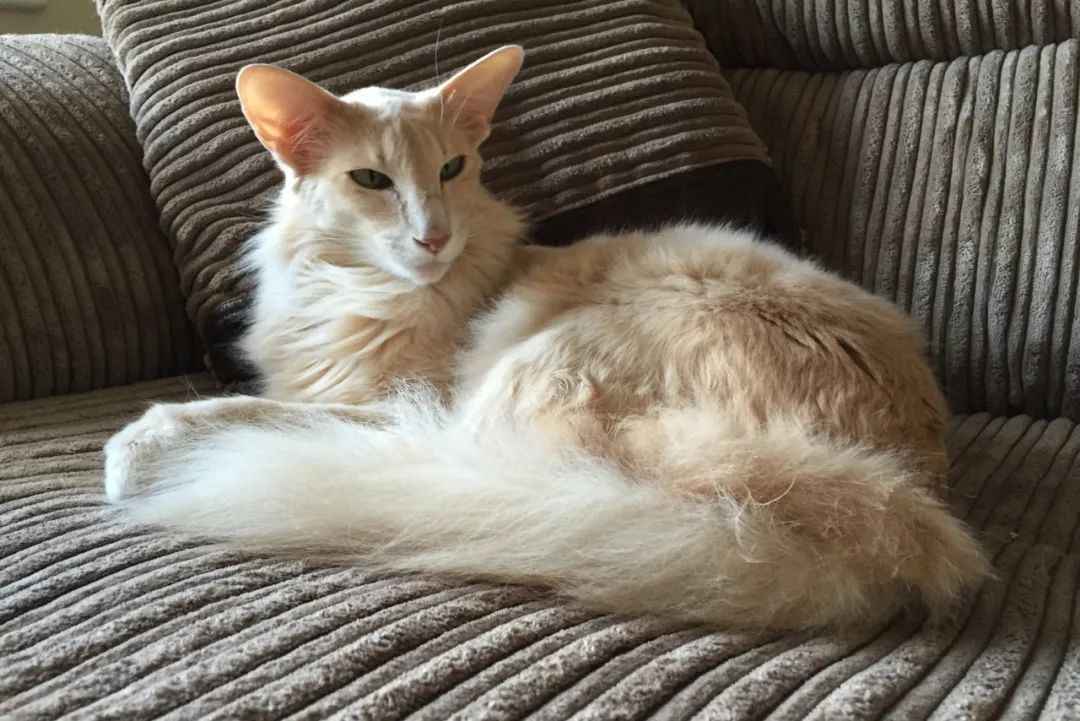
With a slender, muscular build and almond-shaped green eyes, the Oriental Longhair exudes sophistication. Its semi-long, silky coat lacks a dense undercoat, making grooming manageable—weekly brushing suffices to maintain its lustrous sheen . Unlike Persian cats, their grooming needs are minimal, appealing to owners seeking a high-maintenance look without the hassle . The breed boasts over 300 color and pattern combinations, from solid hues to tabby and tortoiseshell, ensuring each cat is a unique work of art .

Dynamic Personality and Social Nature

Oriental Longhairs are renowned for their vivacious personalities, inheriting the vocal and interactive traits of their Siamese ancestors. They thrive on human companionship, often engaging in "conversations" and demanding attention. These cats are highly trainable, responding well to positive reinforcement, and excel in puzzle-solving games that stimulate their agile minds . Their curiosity and energy make them ideal for households with active lifestyles, though they also appreciate quiet moments curled up beside their owners.

Health Considerations and Care

While generally robust, the breed is prone to hereditary conditions. Progressive Retinal Atrophy (PRA), linked to mutations in the CEP290 and CRX genes, can lead to blindness, though genetic testing helps breeders mitigate risks . Liver amyloidosis and dental issues, exacerbated by their narrow jaws, require regular veterinary check-ups and a diet rich in animal protein to support oral health . AAFCO-recommended diets, emphasizing high-quality dry food, aid in preventing periodontal disease .

Global Popularity and Cultural Significance

In 2025, the Oriental Longhair remains a sought-after breed, particularly in Western countries. Its adaptability and striking appearance have solidified its place in households and cat shows alike. Breeders emphasize responsible practices, ensuring kittens are vaccinated and socialized before adoption, with prices ranging from £400 to £500 for pet-quality cats . As a testament to its enduring appeal, the Oriental Longhair continues to blend historical charm with modern feline allure, captivating cat lovers worldwide.


Conclusion
The Oriental Longhair stands as a testament to the artistry of cat breeding, balancing aesthetic beauty with robust health and engaging personalities. Whether lounging gracefully or entertaining with playful antics, these cats embody the perfect fusion of elegance and dynamism, making them a cherished addition to any home.

Latest Stories
Feline News2 minute readThe Kurilian Bobtail Longhair, a captivating breed hailing from Russia’s Sakhalin Island and the Kuril Archipelago, has emerged as a fascinating subject in the international feline community. With its distinctive bobbed tail and striking appearance, this natural breed is garnering recognition for its unique history, robust health, and affectionate demeanor.
Life News2 minute readOn the streets and alleys of Italy, gelato is more than just a refreshing dessert; it is a vivid embodiment of the country's culinary philosophy. Compared to the common American ice cream, this Italian classic has become an irreplaceable culinary symbol in the hearts of food lovers worldwide, thanks to its unique craftsmanship and texture.
Feline News2 minute readIn 1982, a bald kitten with an unusual genetic mutation emerged in a barn on an Oregon cherry farm, marking the accidental birth of one of the world’s most distinctive feline breeds—the LaPerm. This curly-coated wonder, named for its "wavy" or "rippled" fur, has since captivated cat lovers globally with its unique appearance and playful personality .
Feline News1 minute readThe Brazilian Shorthair, a distinctive feline breed native to Brazil, has captivated cat enthusiasts with its charming personality and adaptable nature. Originating from the country's street cats, the breed was formally recognized in the 1980s after decades of selective breeding to preserve its unique traits.
Feline News1 minute readIn recent days, a cat named Marguerite has quietly risen to fame in a suburban community. The 3-year-old orange-and-white feline, once a street stray, has now become a "heartwarming bond" connecting neighbors.
Feline News2 minute readOriginating from the city of Rostov-on-Don in Russia, the Donskoy cat, also known as the Don Sphynx, has captivated feline enthusiasts worldwide with its unique appearance and affectionate demeanor. First discovered in 1987 when Professor Elena Kovaleva rescued a hairless kitten named Varvara, the breed emerged from a natural genetic mutation that resulted in a lack of fur. Varvara’s subsequent litters produced both haired and hairless kittens, leading breeder Irina Nemykina to develop the Donskoy through selective breeding with European Shorthairs. Recognized by The International Cat Associat
Feline News2 minute readThe Nebelung, a captivating feline often mistaken for the Russian Blue, is a rare breed celebrated for its striking appearance and gentle demeanor. Originating in the U.S. during the 1980s, this breed emerged from intentional crossbreeding to replicate the elegance of Victorian-era long-haired blue cats. Named after the German word "nebel" (meaning "mist"), the Nebelung’s silvery-tipped blue-gray coat evokes a misty aura, while its green or yellow-green eyes add to its enigmatic charm.