
Brazil's culinary landscape is a vibrant fusion of flavors, cultures, and traditions, reflecting the country's diverse heritage. From the sizzling grills of churrascarias to the comforting warmth of home-cooked meals, each dish tells a story. Here are three iconic Brazilian foods that showcase the heart and soul of this culinary-rich nation.
Despite its charming name, Fraldinha is a robust star in Brazilian barbecue. Sourced from the junction of a cow's abdomen, lower back, and hip, this cut is celebrated for its juicy texture and springy resilience, thanks to its abundant(connective tissue). To savor it at its best, chefs recommend slicing against the grain, a technique that enhances tenderness and allows the meat's natural juices to shine.
A staple at churrasco feasts, Fraldinha is often paired with Vinagrete, a zesty Brazilian-style onion and tomato salad. The tangy vinegar dressing cuts through the richness of the grilled meat, creating a harmonious balance that awakens the palate. Whether enjoyed at a lively street fair or an upscale steakhouse, this dish embodies the bold, smoky spirit of Brazilian barbecue.
Pão de Queijo: The Gluten-Free Cheesy Sensation
Source: Images from the Internet, if there is any infringement, please contact the removal of
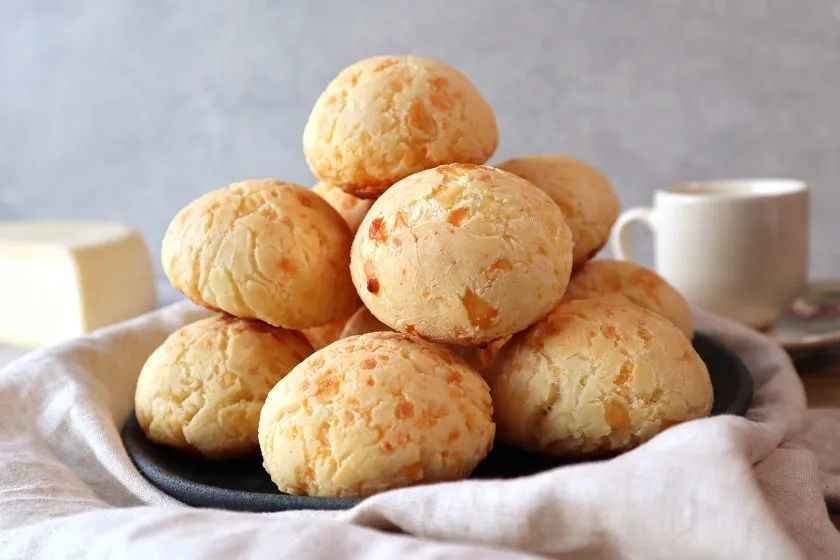
When it comes to beloved Brazilian snacks, Pão de Queijo (cheese bread) reigns supreme. A staple for breakfast and beyond, these bite-sized treats boast a crispy exterior and a gooey, chewy interior, infused with rich cheesy flavor and a hint of salt. What makes them truly unique? They're crafted with cassava starch, eliminating wheat flour and making them naturally gluten-free—ideal for those with sensitive stomachs.
The texture, often compared to mochi, offers a delightful contrast between the crunchy crust and the pillowy center. In Brazil, you'll find these golden buns in nearly every bakery, supermarket, and even airport kiosks, a testament to their status as a "national snack." Whether enjoyed warm as a morning pick-me-up or as an afternoon indulgence, Pão de Queijo is a cheesy delight no visitor should miss.
Escondidinho: The Hidden Gem in a Baked Dish
Source: Images from the Internet, if there is any infringement, please contact the removal of
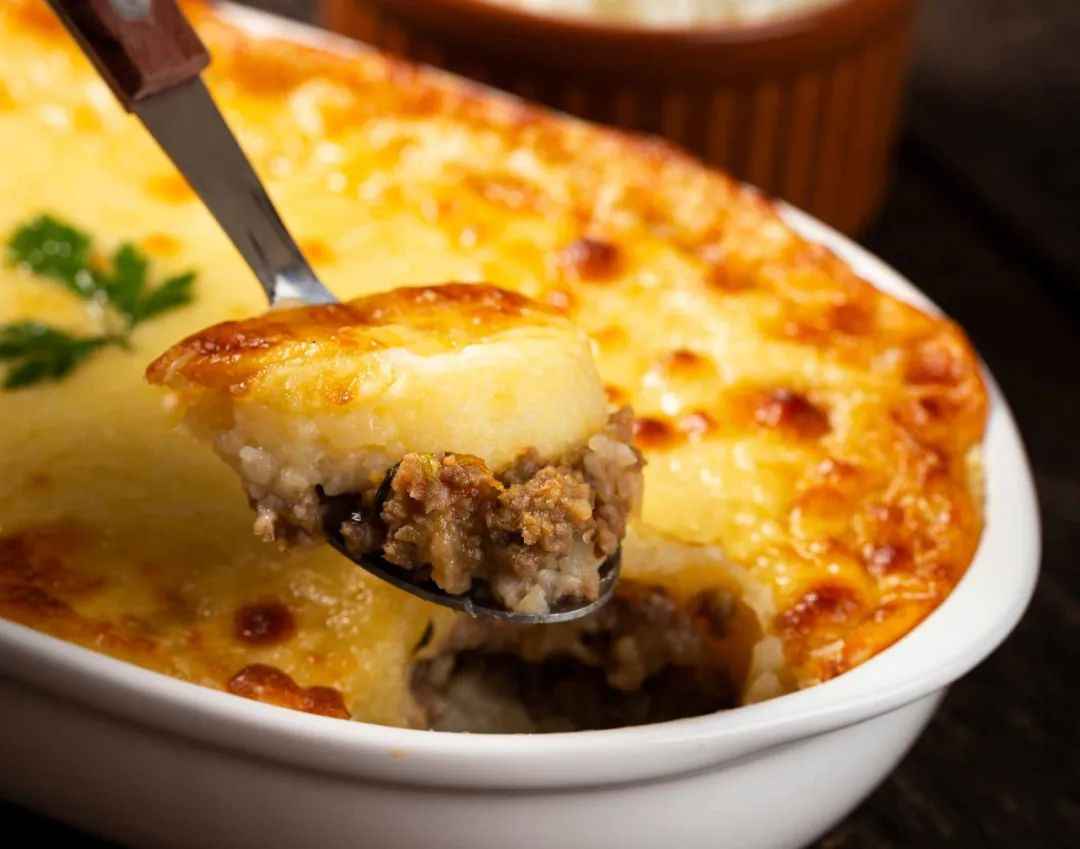
True to its name—derived from the Portuguese word for "little hidden"—Escondidinho is a layered comfort food that surprises and satisfies. The dish starts with a base of salty cured meat in a baking tray, topped with a thick layer of creamy mashed potatoes, and finished with a sprinkle of cheese before baking to golden perfection. Cut through the cheesy crust, and you'll uncover a flavorful surprise: a savory filling of shredded beef, often cured or dried for extra depth.
While the classic Escondidinho de Carne Seca (dried beef version) is a household favorite, modern adaptations include chicken, seafood, and vegetarian options, catering to diverse tastes. This hearty dish is a mainstay at family gatherings, often served with a cold beer or a glass of fresh sugarcane juice, offering a warm, satisfying embrace with every forkful.
From the smoky grills to the cozy kitchens, these dishes capture the essence of Brazilian hospitality and culinary creativity. Whether you're a meat lover, a cheese enthusiast, or a fan of comforting carbs, Brazil's food scene has something to delight every palate. Plan your next culinary adventure and let these flavors transport you to the vibrant streets of Brazil!