Exploring Spain's Rich Stew Heritage: From Cocido to Regional Specialties


Life News
Exploring Spain's Rich Stew Heritage: From Cocido to Regional Specialties

Spain’s culinary tapestry is woven with vibrant traditions, and few dishes embody its soul as deeply as cocidos—hearty stews that have simmered in the nation’s kitchens for centuries. Derived from the Spanish verb "cocer" (to boil), these slow-cooked creations are a testament to the art of patience, blending simple ingredients into flavorful masterpieces. While rooted in Spanish soil, their popularity has spread to Portugal, Brazil, and beyond, each region adding its unique twist.

The Versatile World of Cocido


 Source: Images from the Internet, if there is any infringement, please contact the removal of


A classic cocido is a harmonious medley of meats and vegetables. Traditional recipes often feature a mix of chicken, beef, pork, or lamb, complemented by cured and dried sausages. Vegetables like carrots, chickpeas, potatoes, turnips, and cabbage form the stew’s backbone, while optional additions such as cheese or eggs elevate its taste and texture. The magic lies in the slow simmering over low heat, allowing flavors to meld into a comforting, aromatic blend.
Cocido Madrileño: Madrid’s Beloved Dish


Source: Images from the Internet, if there is any infringement, please contact the removal of


Hailed as one of Madrid’s culinary emblems, cocido madrileño is a hearty combination of meat and chickpeas with a history steeped in tradition. Its origins trace back to medieval Castilla-La Mancha, with food historians debating its evolution from the rustic peasant dish "olla podrida Manchega." However, the dish as we know it today likely emerged from "adafina," a Sabbath stew in Jewish cuisine featuring chickpeas, vegetables, boiled eggs, and meats like lamb or beef. The name "cocido madrileño" solidified in the 17th century, cementing its status as a symbol of Madrid’s gastronomic identity.

Rabo de Toro: Andalusia’s Bull Tail Delight


Source: Images from the Internet, if there is any infringement, please contact the removal of


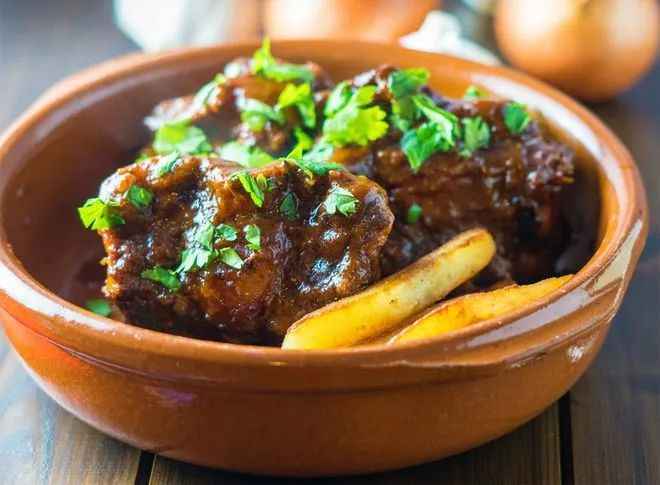
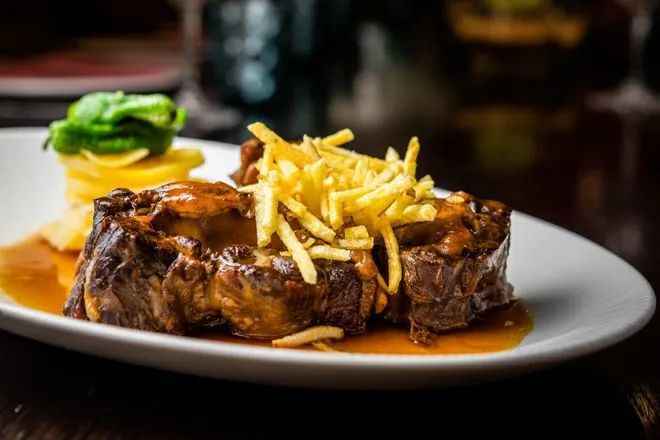
In Andalusia, rabo de toro (bull tail stew) stands as a testament to culinary ingenuity. Though recipes vary by restaurant and region, the dish typically combines tender bull tail with olive oil, onions, garlic, carrots, celery, paprika, tomatoes, red wine, dry sherry, bay leaves, and parsley. Served alongside fried potatoes, it’s a rich, savory experience rooted in history. Legend has it that the stew originated in Roman times, born from the tradition of celebrating bullfights by turning the bull’s tail into a flavorful feast.

From the bustling kitchens of Madrid to the sunlit villages of Andalusia, Spain’s stews are more than meals—they are stories simmered in pots, carrying the flavors of history, culture, and community. Whether enjoyed as a comforting family dinner or a regional specialty in a local taverna, each cocido offers a warm embrace of Spain’s culinary legacy.

 
Latest Stories
Feline News2 minute readThe Kurilian Bobtail Longhair, a captivating breed hailing from Russia’s Sakhalin Island and the Kuril Archipelago, has emerged as a fascinating subject in the international feline community. With its distinctive bobbed tail and striking appearance, this natural breed is garnering recognition for its unique history, robust health, and affectionate demeanor.
Life News2 minute readOn the streets and alleys of Italy, gelato is more than just a refreshing dessert; it is a vivid embodiment of the country's culinary philosophy. Compared to the common American ice cream, this Italian classic has become an irreplaceable culinary symbol in the hearts of food lovers worldwide, thanks to its unique craftsmanship and texture.
Feline News2 minute readIn 1982, a bald kitten with an unusual genetic mutation emerged in a barn on an Oregon cherry farm, marking the accidental birth of one of the world’s most distinctive feline breeds—the LaPerm. This curly-coated wonder, named for its "wavy" or "rippled" fur, has since captivated cat lovers globally with its unique appearance and playful personality .
Feline News1 minute readThe Brazilian Shorthair, a distinctive feline breed native to Brazil, has captivated cat enthusiasts with its charming personality and adaptable nature. Originating from the country's street cats, the breed was formally recognized in the 1980s after decades of selective breeding to preserve its unique traits.
Feline News1 minute readIn recent days, a cat named Marguerite has quietly risen to fame in a suburban community. The 3-year-old orange-and-white feline, once a street stray, has now become a "heartwarming bond" connecting neighbors.
Feline News2 minute readOriginating from the city of Rostov-on-Don in Russia, the Donskoy cat, also known as the Don Sphynx, has captivated feline enthusiasts worldwide with its unique appearance and affectionate demeanor. First discovered in 1987 when Professor Elena Kovaleva rescued a hairless kitten named Varvara, the breed emerged from a natural genetic mutation that resulted in a lack of fur. Varvara’s subsequent litters produced both haired and hairless kittens, leading breeder Irina Nemykina to develop the Donskoy through selective breeding with European Shorthairs. Recognized by The International Cat Associat
Feline News2 minute readThe Nebelung, a captivating feline often mistaken for the Russian Blue, is a rare breed celebrated for its striking appearance and gentle demeanor. Originating in the U.S. during the 1980s, this breed emerged from intentional crossbreeding to replicate the elegance of Victorian-era long-haired blue cats. Named after the German word "nebel" (meaning "mist"), the Nebelung’s silvery-tipped blue-gray coat evokes a misty aura, while its green or yellow-green eyes add to its enigmatic charm.