Cuttlefish: The Elusive Masters of Camouflage and Deception


Marine Biology
Cuttlefish: The Elusive Masters of Camouflage and Deception

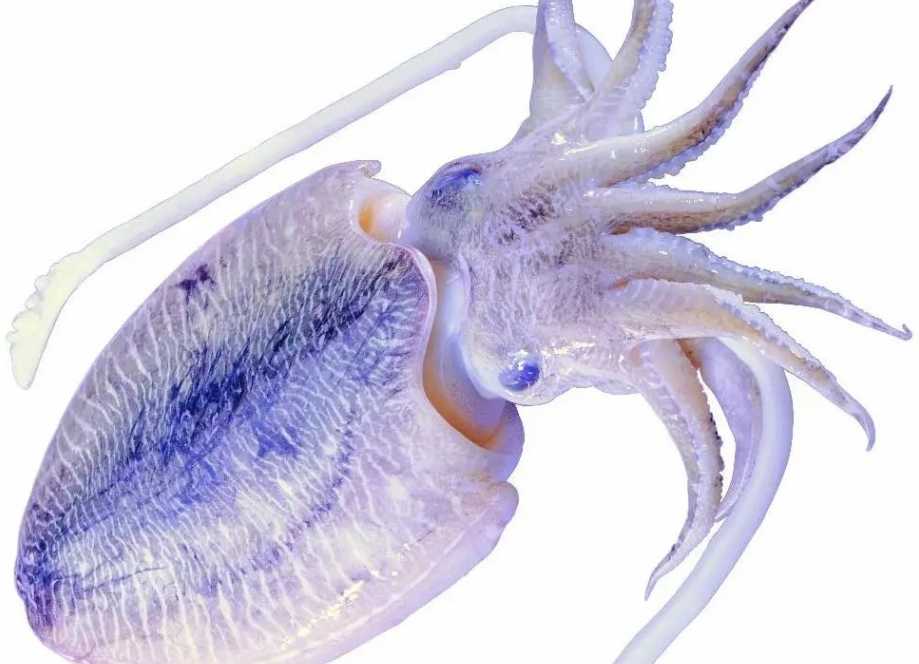
Cuttlefish, belonging to the Sepiidae family within the order Sepiida, are intriguing marine mollusks commonly known as "inkfish" due to their unique defense mechanism. Found in temperate and tropical oceans worldwide, these creatures are celebrated for their extraordinary ability to change skin color and texture in an instant, combined with a distinct oval body shape that sets them apart from their close relatives, squid.
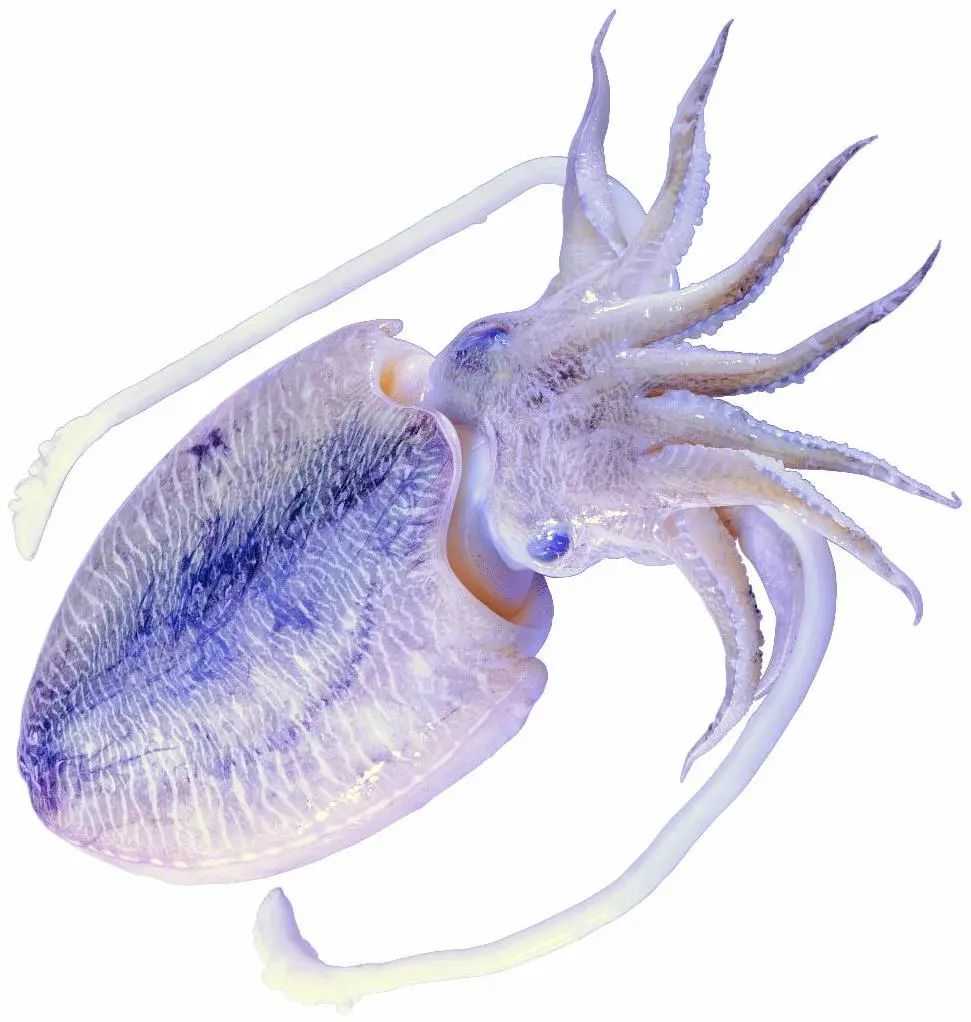
Source: Images from the Internet, if there is any infringement, please contact the removal of


Resembling a soft, flexible sack, the cuttlefish’s body houses all internal organs within a muscular mantle, with a broad, oval mantle that tapers into a pair of triangular fins running along its sides. Unlike squid, which have more elongated, cylindrical bodies, cuttlefish feature a broader, more rounded profile, often growing up to 50 centimeters in length. Their most iconic trait is the specialized skin cells called chromatophores, which allow them to display a vibrant array of colors and patterns, from iridescent blues and greens to intricate zebra-like stripes, enabling seamless camouflage against predators or communication with mates. When threatened by predators such as sharks or dolphins, they unleash a cloud of dark ink—composed of melanin and mucus—to obscure the attacker’s vision, creating a vital window of escape.


Beyond their physical adaptations, cuttlefish exhibit remarkable intelligence, navigating complex social interactions and problem-solving tasks. They are skilled ambush predators, using their eight arms and two specialized feeding tentacles to capture shrimp, crabs, and small fish. Their diet is supplemented by a parrot-like beak hidden within their arm cluster, which crushes the shells of prey. Despite their "deceptive" reputation from folklore, derived from their ink-defense and cryptic behavior, cuttlefish are harmless to humans unless provoked.


However, cuttlefish face mounting pressures from overfishing, as their meat is a culinary staple in many Asian cultures, and their ink is used in gourmet dishes. Habitat degradation from coastal development and pollution further threatens their shallow-water ecosystems. Conservation efforts, including sustainable fishing practices and marine protected areas, aim to preserve these enigmatic creatures. As both masters of marine camouflage and key players in ocean food webs, cuttlefish remind us of the intricate biodiversity hidden beneath the waves—and the urgent need to protect their fragile habitats.
Latest Stories
Feline News2 minute readThe Kurilian Bobtail Longhair, a captivating breed hailing from Russia’s Sakhalin Island and the Kuril Archipelago, has emerged as a fascinating subject in the international feline community. With its distinctive bobbed tail and striking appearance, this natural breed is garnering recognition for its unique history, robust health, and affectionate demeanor.
Life News2 minute readOn the streets and alleys of Italy, gelato is more than just a refreshing dessert; it is a vivid embodiment of the country's culinary philosophy. Compared to the common American ice cream, this Italian classic has become an irreplaceable culinary symbol in the hearts of food lovers worldwide, thanks to its unique craftsmanship and texture.
Feline News2 minute readIn 1982, a bald kitten with an unusual genetic mutation emerged in a barn on an Oregon cherry farm, marking the accidental birth of one of the world’s most distinctive feline breeds—the LaPerm. This curly-coated wonder, named for its "wavy" or "rippled" fur, has since captivated cat lovers globally with its unique appearance and playful personality .
Feline News1 minute readThe Brazilian Shorthair, a distinctive feline breed native to Brazil, has captivated cat enthusiasts with its charming personality and adaptable nature. Originating from the country's street cats, the breed was formally recognized in the 1980s after decades of selective breeding to preserve its unique traits.
Feline News1 minute readIn recent days, a cat named Marguerite has quietly risen to fame in a suburban community. The 3-year-old orange-and-white feline, once a street stray, has now become a "heartwarming bond" connecting neighbors.
Feline News2 minute readOriginating from the city of Rostov-on-Don in Russia, the Donskoy cat, also known as the Don Sphynx, has captivated feline enthusiasts worldwide with its unique appearance and affectionate demeanor. First discovered in 1987 when Professor Elena Kovaleva rescued a hairless kitten named Varvara, the breed emerged from a natural genetic mutation that resulted in a lack of fur. Varvara’s subsequent litters produced both haired and hairless kittens, leading breeder Irina Nemykina to develop the Donskoy through selective breeding with European Shorthairs. Recognized by The International Cat Associat
Feline News2 minute readThe Nebelung, a captivating feline often mistaken for the Russian Blue, is a rare breed celebrated for its striking appearance and gentle demeanor. Originating in the U.S. during the 1980s, this breed emerged from intentional crossbreeding to replicate the elegance of Victorian-era long-haired blue cats. Named after the German word "nebel" (meaning "mist"), the Nebelung’s silvery-tipped blue-gray coat evokes a misty aura, while its green or yellow-green eyes add to its enigmatic charm.