Bubble Coral: The Mesmerizing Marine Marvel with a Dual Identity


Marine Biology
Bubble Coral: The Mesmerizing Marine Marvel with a Dual Identity

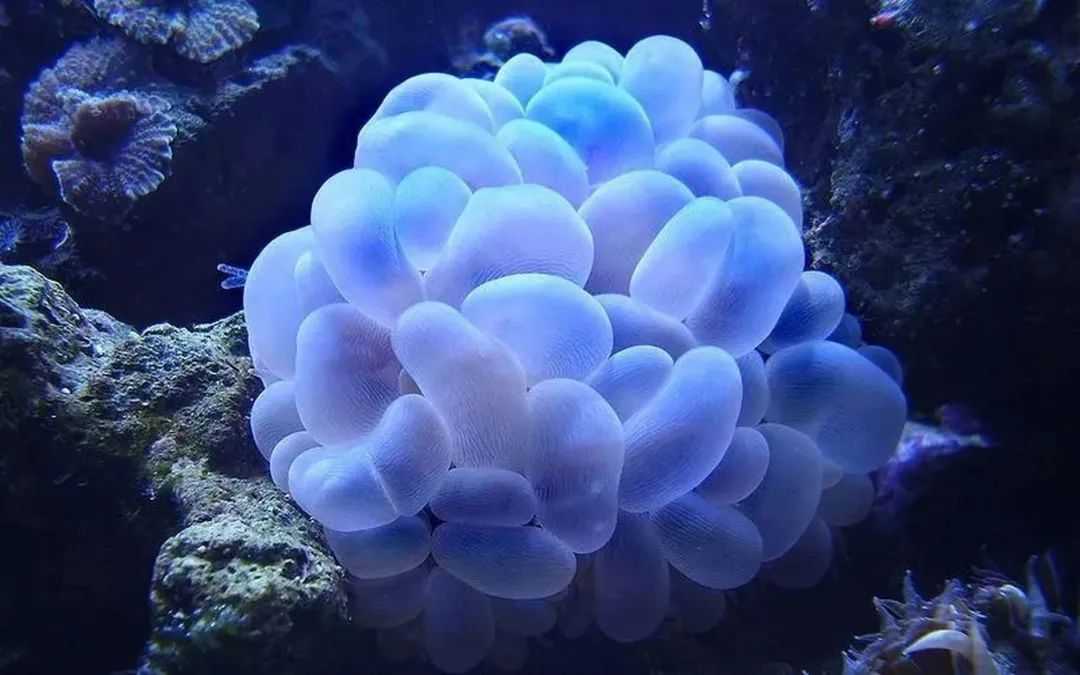
Plerogyra sinuosa, commonly known as bubble coral, is a captivating soft coral species belonging to the order Scleractinia. Found primarily in the shallow waters—within 30 meters—along the coasts of the Pacific and Atlantic Oceans, as well as the Caribbean Sea, this coral species has earned its name from its unique appearance that transforms dramatically between day and night.


During daylight hours, bubble coral presents a mesmerizing sight. Its polyps inflate into translucent, spherical bubbles reminiscent of clusters of grapes, ranging in hues from white and yellow to green. These bulbous structures, plump and glistening, create a dreamlike underwater scene, attracting divers and marine enthusiasts with their otherworldly beauty. The soft, almost gelatinous texture of the bubbles, combined with their vibrant colors, makes them one of the most visually striking inhabitants of coral reefs.


As night falls, the bubble coral reveals its predatory nature. The inflated bubbles deflate, and the coral extends long, slender tentacles armed with venomous cnidocytes—specialized cells containing stinging capsules. These tentacles stealthily capture unsuspecting plankton, paralyzing them with venom before pulling the prey towards the coral’s central mouth for digestion. This nocturnal transformation highlights the bubble coral’s adaptability in securing food in the competitive marine ecosystem. While its daytime allure draws admiration, its nighttime hunting prowess underscores the complex and often perilous lives of coral reef organisms. Despite their enchanting appearance, bubble corals face threats from ocean acidification, rising temperatures, and human disturbances, reminding us of the urgent need to safeguard these delicate marine treasures.

Latest Stories
Feline News2 minute readThe Kurilian Bobtail Longhair, a captivating breed hailing from Russia’s Sakhalin Island and the Kuril Archipelago, has emerged as a fascinating subject in the international feline community. With its distinctive bobbed tail and striking appearance, this natural breed is garnering recognition for its unique history, robust health, and affectionate demeanor.
Life News2 minute readOn the streets and alleys of Italy, gelato is more than just a refreshing dessert; it is a vivid embodiment of the country's culinary philosophy. Compared to the common American ice cream, this Italian classic has become an irreplaceable culinary symbol in the hearts of food lovers worldwide, thanks to its unique craftsmanship and texture.
Feline News2 minute readIn 1982, a bald kitten with an unusual genetic mutation emerged in a barn on an Oregon cherry farm, marking the accidental birth of one of the world’s most distinctive feline breeds—the LaPerm. This curly-coated wonder, named for its "wavy" or "rippled" fur, has since captivated cat lovers globally with its unique appearance and playful personality .
Feline News1 minute readThe Brazilian Shorthair, a distinctive feline breed native to Brazil, has captivated cat enthusiasts with its charming personality and adaptable nature. Originating from the country's street cats, the breed was formally recognized in the 1980s after decades of selective breeding to preserve its unique traits.
Feline News1 minute readIn recent days, a cat named Marguerite has quietly risen to fame in a suburban community. The 3-year-old orange-and-white feline, once a street stray, has now become a "heartwarming bond" connecting neighbors.
Feline News2 minute readOriginating from the city of Rostov-on-Don in Russia, the Donskoy cat, also known as the Don Sphynx, has captivated feline enthusiasts worldwide with its unique appearance and affectionate demeanor. First discovered in 1987 when Professor Elena Kovaleva rescued a hairless kitten named Varvara, the breed emerged from a natural genetic mutation that resulted in a lack of fur. Varvara’s subsequent litters produced both haired and hairless kittens, leading breeder Irina Nemykina to develop the Donskoy through selective breeding with European Shorthairs. Recognized by The International Cat Associat
Feline News2 minute readThe Nebelung, a captivating feline often mistaken for the Russian Blue, is a rare breed celebrated for its striking appearance and gentle demeanor. Originating in the U.S. during the 1980s, this breed emerged from intentional crossbreeding to replicate the elegance of Victorian-era long-haired blue cats. Named after the German word "nebel" (meaning "mist"), the Nebelung’s silvery-tipped blue-gray coat evokes a misty aura, while its green or yellow-green eyes add to its enigmatic charm.